TL;DR
- - Decentralized AI strategy enhances tech sovereignty
- - 5 consortia like SK Telecom drive local AI innovation
- - AI sector poised as alternative to foreign dominance
- - Investment in domestic AI engines offers strategic autonomy
South Korea is setting an audacious goal: becoming nearly self-sufficient in AI. By building a unique AI industry, it aims to position its technology as a viable alternative to China and the U.S. As global tensions rise over AI technological dominance, South Korea's strategy offers a fresh model for tech sovereignty, potentially reshaping the competitive landscape.
Opening Analysis
South Korea's commitment to cultivating a near self-sustained AI industry could fundamentally shift the technological balance. Unlike many countries reliant on international partnerships, South Korea aims to leverage its strengths in semiconductors and software to foster an independent AI sector. This ambition not only challenges the supremacy of the U.S. and China but also equips South Korea with a competitive edge in global tech politics. By aligning its AI goals with national interests, the nation is setting a precedent for sovereign technology development.
Market Dynamics
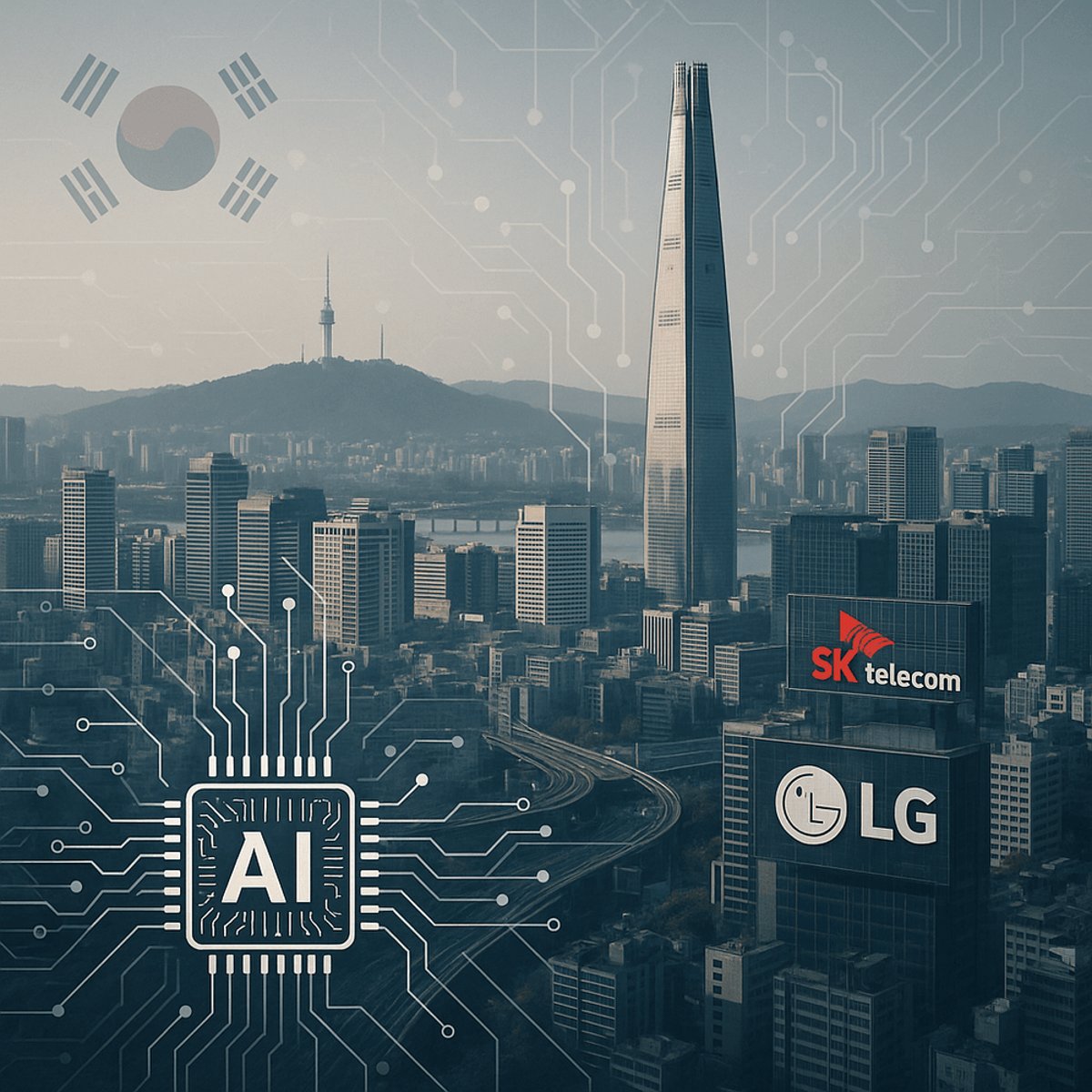
The market is seeing a significant shift with South Korea involving major companies and startups to build a foundational AI model using homegrown technology. Companies such as SK Telecom and LG are spearheading this initiative, creating a consortium to develop indigenous AI capable of competing with powerhouse models from the U.S. and China. This 'AI sovereignty' reflects a broader trend as nations seek domestic control over critical technologies.
Technical Innovation
Among South Korea's key strengths is its established semiconductor industry. Samsung and SK Hynix, leaders in memory chip production, are vital players in this AI advancement. They are positioning the country to be self-reliant by harnessing powerful AI stacks comprising all necessary technologies from chips to models, despite necessary collaborations with global entities like Nvidia for certain GPUs.
Financial Analysis
While exact figures are undisclosed, South Korea's financial commitment to AI development is substantial. The strategy's viability rests on cost-effective indigenous technology that can scale globally. This alleviates dependency on foreign AI models, thus offering cost advantages in terms of licensing and operational autonomy.
Strategic Outlook
Should South Korea successfully implement its self-sufficient AI model, it would not only serve domestic industries but also attract international interest as an alternative to dominating AI powerhouses. The long-term vision is clear: a diversified AI market where South Korea plays a pivotal role as a tech sovereign, mitigating the risks associated with global tech dependencies.
South Korea's push towards AI sovereignty is strategic, granting it leverage in global technology debates. With an open-source model inviting global developers, it paves the way for collaborative innovation while retaining control over its digital infrastructure.
Key Takeaways:
- South Korea's distinctive AI strategy focuses on self-sufficiency and market independence.
- This bold move could shift the AI balance, lessening the reliance on the US and China.
- As South Korea positions itself in the AI arena, opportunities for global collaborations abound, offering an alternative tech ecosystem.