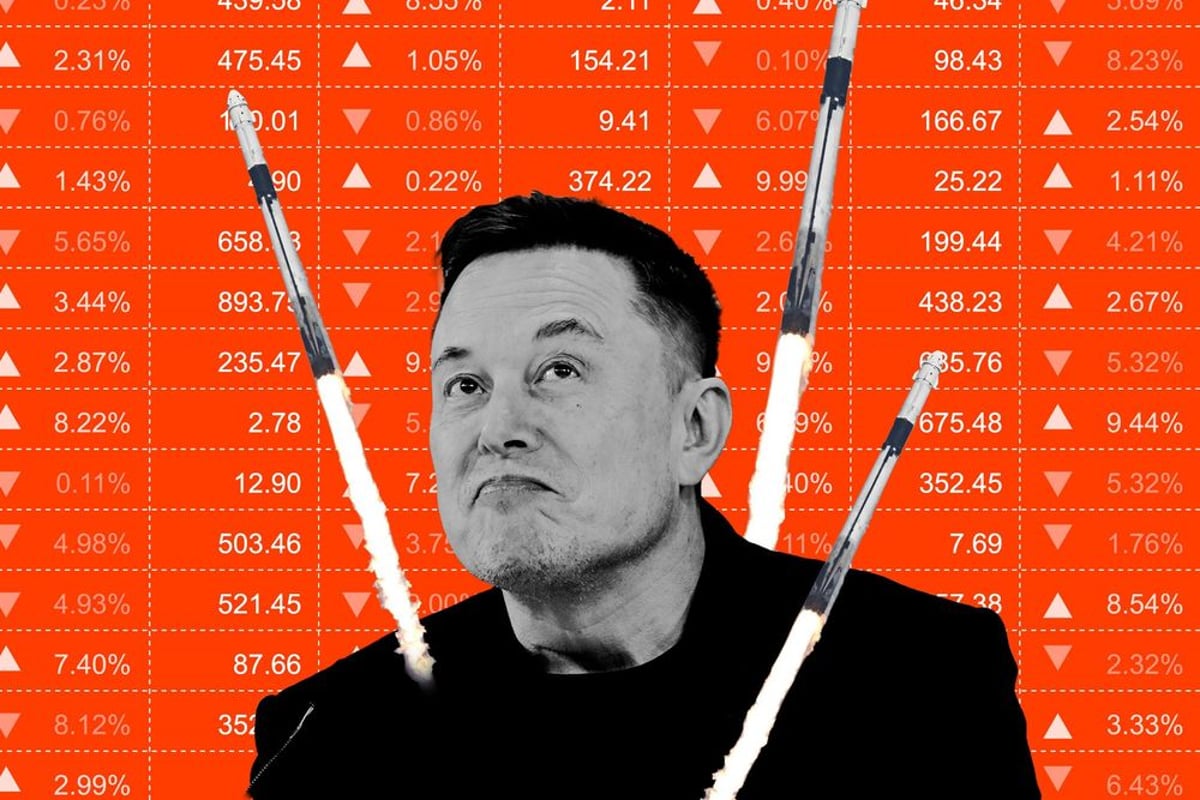
SpaceX just triggered what could become the largest public offering in history. The rocket company filed confidentially for an IPO with the Securities and Exchange Commission, according to Bloomberg. But there's a catch - the numbers stay secret for now. Wall Street won't see SpaceX's actual financials, Starlink subscriber data, or xAI integration details until the company kicks off its investor roadshow, potentially weeks away.
SpaceX just made the move Elon Musk swore would never happen. The rocket company filed confidentially for an initial public offering with the SEC, Bloomberg reported, setting up what could become the biggest public debut in human history. But don't expect a data dump just yet - the filing stays under wraps until SpaceX is ready to pitch investors.
Under SEC rules for confidential filings, SpaceX doesn't have to reveal its S-1 prospectus until 15 days before it begins its roadshow. That means Wall Street analysts, retail investors, and competitors alike are flying blind on the numbers everyone wants to see: how much revenue Starlink is actually generating, how fast the Starship program is burning cash, and what the company's profit margins look like across its sprawling operations.
The timing is fascinating. SpaceX's decision to go public comes as Musk's empire has undergone massive restructuring, including the recent absorption of his AI startup xAI into the SpaceX corporate umbrella. How that merger affects SpaceX's financials, debt load, and growth projections remains one of the biggest unknowns in the confidential filing. Investors will be scrutinizing whether xAI's computational infrastructure and Grok AI development costs now sit on SpaceX's balance sheet.
The confidential filing strategy isn't unusual for companies of SpaceX's size and complexity. It gives management time to prepare their narrative, test market conditions, and negotiate with underwriters without immediate public scrutiny. But it also means speculation will run wild until the roadshow begins. Analysts are already circulating wildly different valuation estimates, with some suggesting the company could seek a market cap that would dwarf even the largest tech IPOs of the past decade.
What makes this IPO particularly significant is Starlink's role. The satellite internet service has transformed from an ambitious side project into what many believe is SpaceX's most valuable asset. The company has launched thousands of satellites and signed up subscribers worldwide, but exact revenue figures have remained closely guarded. The S-1 filing will finally reveal whether Starlink is the cash-generating machine bulls believe it to be, or if it's still in heavy investment mode with profitability years away.
The Starship program adds another layer of complexity. SpaceX has been pouring resources into developing the fully reusable super-heavy-lift rocket, conducting multiple test flights with mixed results. The IPO prospectus will need to address how much capital the program requires, what the path to operational status looks like, and when NASA's lunar missions and commercial customers might start generating meaningful revenue.
Musk has historically resisted taking SpaceX public, arguing that the short-term pressures of quarterly earnings would conflict with his long-term vision of making humanity multiplanetary. As recently as 2020, he told employees that an IPO wouldn't happen "until after flying to Mars," according to internal communications. What changed? The most likely catalyst is capital requirements. Building out Starlink's next-generation satellite constellation, funding Starship development, and potentially financing Mars missions requires truly staggering amounts of money - the kind that's hard to raise even in private markets.
The IPO also comes as competition in commercial space heats up. Amazon's Project Kuiper is beginning to launch its own satellite internet constellation, while traditional aerospace companies are scrambling to develop reusable rockets. Going public gives SpaceX a currency for acquisitions, employee compensation, and a war chest to maintain its technological lead.
Investment banks are likely jockeying behind the scenes for lead underwriter positions on what would be a career-defining deal. The fees on an IPO of this magnitude could run into hundreds of millions of dollars. Morgan Stanley, Goldman Sachs, and other top-tier banks have relationships with Musk and SpaceX, but the formal syndicate won't be announced until the filing becomes public.
For retail investors, the confidential filing means a waiting game. By the time the S-1 drops and the roadshow begins, institutional investors will likely have already received preliminary briefings and begun forming their positions. The gap between when big money learns the details and when the public sees them has long been a sore point in IPO mechanics, though it's perfectly legal under current securities rules.
The market reaction when SpaceX finally reveals its numbers could be explosive. If Starlink subscriber growth and revenue exceed expectations, the valuation could soar even higher. But if the filing reveals weaker margins, higher debt loads from xAI integration, or slower progress on key programs, even SpaceX's sterling reputation might not be enough to justify whatever eye-watering valuation the company is seeking.
The confidential filing marks a pivotal moment not just for SpaceX but for the entire commercial space industry. When those S-1 documents finally go public, we'll get our first comprehensive look at the financial reality behind Musk's Mars ambitions - whether Starlink is printing money, how much Starship is costing, and what absorbing xAI really means for the bottom line. Until then, Wall Street can only speculate about what could be the most significant IPO of the decade. Watch for the prospectus to drop at least 15 days before the roadshow begins, and expect the numbers to dominate headlines the moment they're released.