TL;DR:
• Tesla hacker discovers Unreal Engine code in 2025.20 firmware for Model S/X with AMD chips
• Switch from current Godot engine would upgrade FSD visualization quality significantly
• Tesla joins Rivian, Ford, GMC, Volvo, and Lotus using Epic's automotive platform
• Move signals Tesla's push for premium in-car experience as FSD competition intensifies
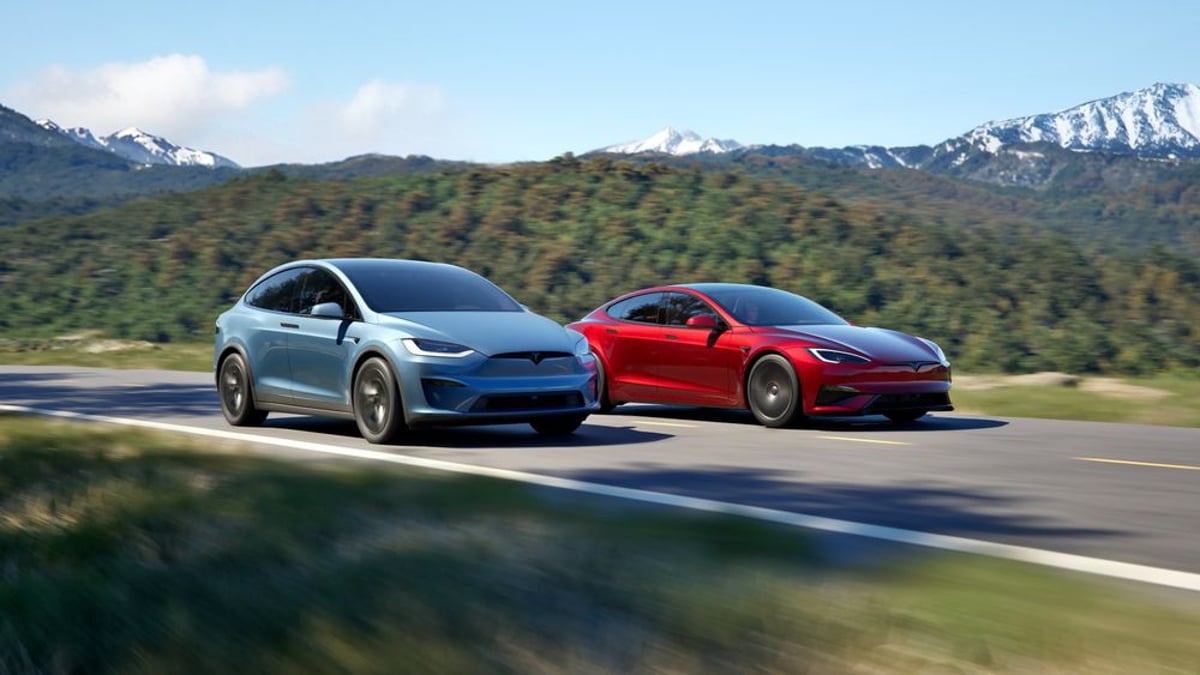
Tesla is quietly overhauling its Autopilot and Full Self-Driving visualizations with a switch to Epic Games' Unreal Engine, according to firmware evidence discovered in the company's latest 2025.20 update. The move would replace Tesla's current Godot engine and align the EV leader with a growing roster of automakers betting on gaming-grade graphics for autonomous driving interfaces.
The discovery comes from Tesla security researcher greentheonly, who found evidence buried in Tesla's latest 2025.20 firmware specifically targeting Model S and Model X vehicles equipped with AMD processing chips. According to Not a Tesla App's reporting, the switch represents a significant upgrade to how drivers see their car's AI interpret the world around them.
Currently, Tesla relies on the open-source Godot engine to render the real-time visualizations that show detected vehicles, pedestrians, traffic cones, and road markings on the car's central display during Autopilot and Full Self-Driving operation. While functional, these graphics have long been criticized as basic compared to the sophisticated interfaces promised by competitors like Mercedes-Benz and BMW.
Epic Games' Unreal Engine brings Hollywood-level rendering capabilities that have powered blockbuster games like Fortnite and major films. The engine's automotive division has been aggressively courting car manufacturers, positioning Unreal Engine as the premium solution for next-generation vehicle interfaces. The technology promises photorealistic graphics, advanced lighting effects, and smooth real-time rendering that could transform how drivers interact with autonomous driving systems.
The timing appears strategic as Tesla faces intensifying competition in the autonomous driving space. Waymo continues expanding its robotaxi service, while Mercedes and BMW have launched Level 3 autonomous systems with premium visualization packages. Industry analysts suggest that as FSD capabilities mature, the user experience becomes increasingly important for differentiation.
Tesla wouldn't be breaking new ground with this switch. Rivian has used Unreal Engine since its R1T and R1S launch, creating immersive 360-degree vehicle visualizations. Ford's Lincoln brand recently showcased Unreal-powered interfaces in the redesigned Nautilus, while GMC integrated the engine into its Hummer EV's futuristic cockpit design. Volvo announced its partnership with Epic in 2022, and Lotus has used Unreal for its electric vehicle interfaces.
The AMD chip requirement suggests Tesla is targeting its higher-end vehicles first, likely due to the increased computational demands of Unreal Engine compared to the lightweight Godot framework. Model S and Model X vehicles feature more powerful infotainment systems that can handle the advanced rendering pipeline without compromising real-time performance critical for safety.
This isn't Tesla's first collaboration with Epic Games. The companies previously partnered to add the Cybertruck to Fortnite last year, suggesting an existing relationship that could have facilitated this technical integration.
Neither Tesla nor Epic Games responded to requests for comment, maintaining the typical silence around unannounced features. However, the firmware evidence suggests testing is already underway, with broader rollout likely tied to future over-the-air updates.
The potential switch to Unreal Engine represents Tesla's recognition that autonomous driving isn't just about the technology under the hood—it's about convincing drivers to trust and engage with AI systems through compelling visual interfaces. As the EV leader faces growing competition from traditional automakers with premium infotainment experiences, upgrading to gaming-industry graphics standards could help maintain Tesla's image as the technology innovator while preparing for a future where in-car entertainment becomes as important as autonomous driving capability itself.