TL;DR
- - Tesla ends Dojo supercomputer project due to loss of key talent
- - Shift signifies reliance on external AI hardware partners
- - Could streamline Tesla's AI and reduce operational costs
- - Revised strategy aligns with industry reliance on established tech suppliers
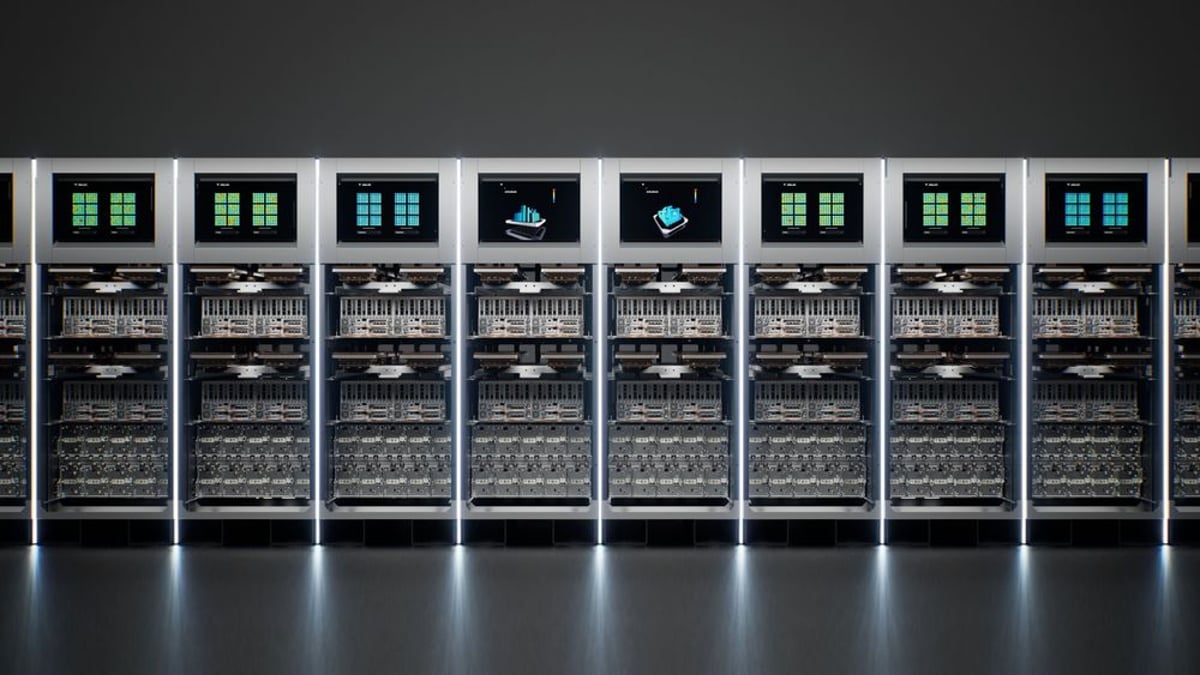
Tesla's decision to dismantle its Dojo supercomputer marks a significant juncture in the company's AI strategy. The move, following a talent exodus, reflects deeper issues within Tesla's ambitious in-house AI plans and highlights shifts in strategic priorities. Key benefits for stakeholders include understanding how external partnerships and revised AI strategies may shape Tesla's innovation trajectory.
Opening Analysis
Tesla's bold vision for cutting-edge AI, once anchored in the Dojo supercomputer initiative, now faces uncertainty as the project is shuttered following significant leadership departures. The company's ambitious goal to leverage a vertically integrated AI system for enhancing its autonomous and robotic technologies has been hampered by ongoing talent attrition. This decision not only impacts Tesla's technological roadmap but also raises questions about its ability to retain crucial expertise.
Market Dynamics
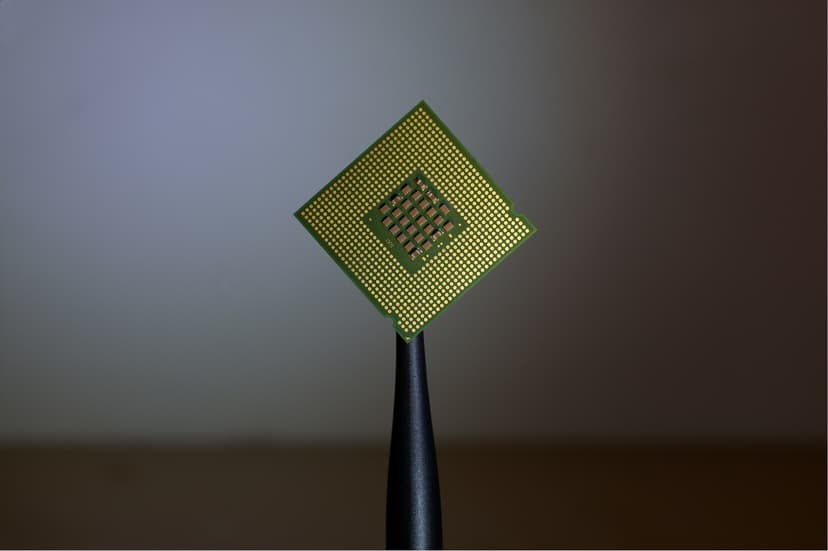
In the wake of the Dojo project's closure, Tesla is signaling a pivot towards collaboration with major tech providers like Nvidia and Samsung. This shift indicates a broader industry trend where automotive giants lean on specialized chipmakers for AI advancements rather than pursuing costly in-house development. Tesla’s recent agreement with Samsung, valued at $16.5 billion, underscores this strategic redirection and positions the company to capitalize on industry-leading chip technology.
Technical Innovation
The scrapping of Dojo, previously envisioned as Tesla's "secret sauce" for self-driving capabilities, shines a spotlight on the limitations of proprietary AI development efforts. As Tesla refocuses on deploying Nvidia and AMD chips, it may benefit from faster implementations and reduced time to market. This strategic alignment also potentially accelerates AI model training efficacy without the weighty R&D overhead of developing bespoke hardware systems.
Financial Analysis
Investors might view Tesla's move to wind down Dojo as a financially prudent step amidst intensifying competition and dwindling incentives in the EV sector. The market has responded positively, with Tesla's stock rising by over 2.5% following the announcement. By rechanneling Dojo's operational funds towards partnerships and existing business ventures, Tesla can better navigate the cost pressures endemic to the fast-evolving automotive landscape.
Strategic Outlook
Looking ahead, Tesla's bolstered reliance on industry-standard AI technologies could simplify its operational framework and enhance product offerings. While the talent drain remains a concern, solidifying ties with robust suppliers could mitigate impacts from internal challenges. In a three to six-month horizon, expect Tesla to streamline its AI objectives and potentially announce further collaborations. Over the next couple of years, as the AI landscape evolves, Tesla's strategic agility may grant it a competitive edge in autonomous vehicle and robotics advancements.
Key Takeaways:
- Tesla's dismantling of Dojo reflects a strategic pivot towards external AI partnerships
- This move may yield cost efficiencies and improve AI deployment speed
- Future success likely hinges on effective supplier collaborations and mitigating talent loss impacts