TL;DR
- - Tesla found liable, must pay $329M in Autopilot crash
- - Case exposes AI liability issues for developers
- - Impacts future of autonomous vehicles regulation
- - Investing in safety and compliance seen as strategic priority
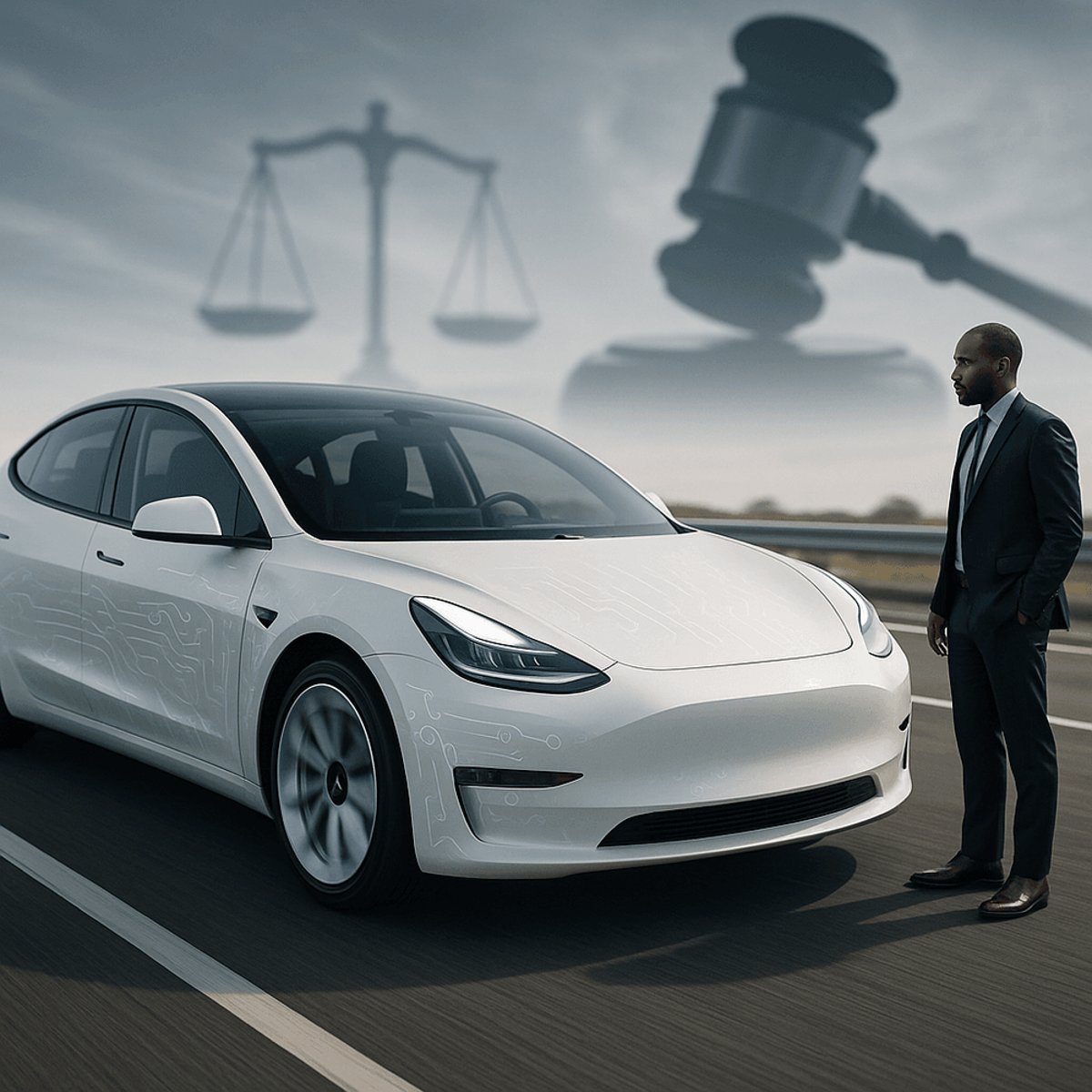
Tesla's recent courtroom defeat highlights the complex interplay between AI technology and safety in our increasingly automated world. With a jury ruling the company liable for a fatal Autopilot mishap, the verdict sends ripples through the tech industry, emphasizing the crucial need for responsible AI deployment that aligns with ethical standards and public safety.
Opening Analysis
In a landmark decision, a Florida jury has held Tesla responsible for a fatal 2019 accident, awarding $329 million in damages. This landmark case raises alarms about the implementation of AI in consumer products, especially in industries like automotive that directly impact public safety.
Market Dynamics
Tesla is not only grappling with the financial repercussions but also potentially setting a precedent that could influence numerous pending legal cases. Around a dozen active lawsuits involve similar accusations about Tesla's Autopilot system, many poised to move forward in light of this ruling.
Technical Innovation
At the heart of this case is Tesla's Autopilot, a partially automated driver assistance system. While advanced, the system's limitations—such as its operational restrictions mostly on highways—must be clarified to prevent misuse. Brett Schreiber, representing plaintiffs, pointed to misleading perceptions about Autopilot being equivalently proficient to human driving. This misunderstanding, coupled with Elon Musk's public assurances, might have inadvertently paved the way for this litigation.
Financial Analysis
The jury's award, broken down into $129 million in compensatory and $200 million in punitive damages, poses a significant hit to Tesla's bottom line. Already experiencing a 25% decline in share price this year, Tesla faces a tough ride ahead, emphasizing the need for sharper focus on regulatory compliance to regain investor trust.
Strategic Outlook
Tesla's legal woes highlight a broader industry challenge where driving automation meets human oversight. The verdict likely accelerates efforts to establish stringent regulatory frameworks around autonomous vehicles. Investors and tech developers are encouraged to pivot toward enhanced safety protocols and clearer communication around AI capabilities to mitigate future liabilities.
The immediate future involves navigating not only technological refinement but also strategic positioning in anticipation of more rigorous safety standards—essentially making safety and compliance a keystone of autonomous vehicle strategy.
Projections: Over the next 3-6 months, expect Tesla to intensify efforts on safety demonstrations and compliance updates. Looking longer-term, over 1-2 years, broader regulatory policies will likely take shape, further defining the landscape for AI-powered vehicles—potentially driving industry collaboration for safety and innovation standards.
Key Takeaways:
- AI Liability: Tesla's case underlines the legal risks of AI misuse.
- Regulatory Pressure: Expect stricter safety and compliance demands.
- Strategic Shift: Opportunities lie in advancing AI transparency and public trust.