The electric air taxi revolution is stalling on the runway, but not for technical reasons. Joby Aviation and Archer Aviation, the two frontrunners racing to launch urban air mobility services in the US, are locked in a sprawling legal war that's burning millions in legal fees and threatening to reshape the industry before a single paying passenger takes flight. Last year's mutual lawsuits - featuring allegations of corporate espionage and concealed Chinese ties - have now expanded into a three-way patent battle that could determine which company controls the skies.
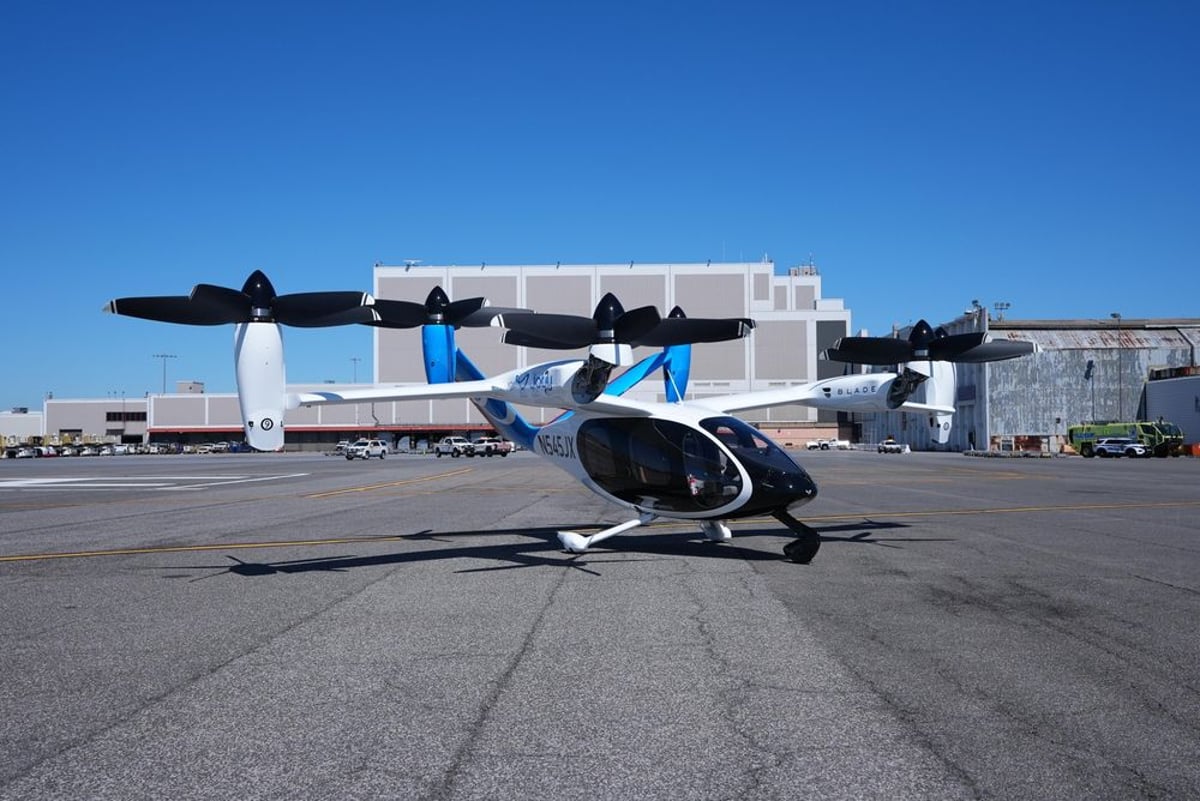
The future of urban air travel is playing out in courtrooms instead of skyports. While Joby Aviation stages photo ops at JFK Airport with its sleek electric vertical takeoff and landing aircraft, the company's legal team is simultaneously battling Archer Aviation in a dispute that reads more like corporate thriller than transportation innovation.
The legal warfare erupted last year when both companies sued each other in what industry insiders are calling a high-stakes game of legal chicken. Joby accused Archer of stealing trade secrets through former employees who allegedly brought confidential information with them when they jumped ship. Archer fired back with claims that Joby was hiding problematic financial ties to Chinese entities - a particularly damaging allegation given the current geopolitical climate and US government scrutiny of foreign investment in aviation technology.
But Archer wasn't content with a two-way fight. In February, the company opened a second legal front by filing patent infringement claims against Vertical Aerospace, a UK-based air taxi developer. The lawsuit alleges Vertical's VX4 aircraft violates multiple Archer patents related to eVTOL design and propulsion systems. Vertical hasn't commented publicly on the specifics but called the claims "without merit" in a brief statement.
The timing couldn't be worse for an industry desperately trying to prove itself. Electric air taxis have been "five years away" for nearly a decade now, burning through billions in venture capital while promising to revolutionize urban transportation. Companies like Joby and Archer have raised hundreds of millions by going public through SPAC mergers, betting that they could achieve FAA certification and launch commercial operations by 2025 or 2026. Instead, they're redirecting resources to legal battles that could stretch for years.
The financial burn is substantial. Patent litigation in the aviation sector routinely costs tens of millions of dollars, with discovery processes that can drag on indefinitely. For pre-revenue companies already facing questions about their cash runways, these legal expenses represent a serious threat to survival. Joby reported over $700 million in cash reserves in its latest quarterly filing, but that number shrinks quickly when you're simultaneously funding aircraft development, regulatory certification efforts, and multi-front legal campaigns.
What makes this legal battle particularly consequential is the winner-take-most nature of the emerging eVTOL market. Unlike traditional aviation, where Boeing and Airbus have coexisted for decades, the air taxi business may only support one or two dominant players in major markets like New York or Los Angeles. Infrastructure constraints - specifically the limited number of vertiport locations - mean early regulatory approval and operational launch could create insurmountable competitive advantages. If Archer succeeds in blocking competitors through patent enforcement, it could secure monopoly-like positions before anyone proves the business model actually works.
The corporate espionage allegations add another layer of complexity. According to court filings referenced in the LA Times investigation, Joby claims several key engineers left to join Archer and immediately began working on suspiciously similar aircraft designs. Archer counters that these employees brought no confidential information and that any design similarities result from the limited number of viable eVTOL configurations. It's a classic he-said-she-said scenario that could take years to resolve through depositions and technical expert testimony.
The Chinese connection allegations against Joby are potentially more explosive. Foreign investment reviews have torpedoed deals across the technology sector in recent years, and aviation faces particular scrutiny given national security implications. If Archer's claims gain traction with regulators, Joby could face forced divestiture requirements or additional compliance burdens that would slow its certification timeline. Joby has repeatedly stated its ownership structure is fully transparent and compliant with US regulations.
Meanwhile, the actual technology continues to progress, albeit slowly. Both companies have conducted hundreds of test flights and are working through FAA certification processes that require demonstrating aircraft safety under countless scenarios. But legal distractions create real operational risks. Engineers pulled into depositions aren't optimizing battery systems. Executives preparing for trials aren't negotiating vertiport partnerships. The opportunity cost of litigation compounds daily.
Industry observers worry the legal battles could create a chilling effect on innovation in the sector. If every eVTOL design innovation triggers patent lawsuits, smaller startups will struggle to compete against well-funded incumbents with large legal war chests. The result could be less competition and slower technological progress - the opposite of what advocates promised when selling the urban air mobility vision to investors and regulators.
The broader question is whether the air taxi market can support the massive valuations these companies commanded during their SPAC boom. Joby peaked at over $6 billion in market capitalization. Archer reached similar heights. Both have since declined substantially as investors grow impatient waiting for revenue generation. Legal victories might provide short-term stock boosts, but they don't solve the fundamental challenge of proving customers will actually pay premium prices to skip traffic.
What happens next depends partly on how aggressively courts push these cases forward. Patent litigation can be expedited in some jurisdictions, potentially delivering verdicts within 18-24 months. The espionage and corporate governance claims will likely take longer. Settlement discussions have reportedly occurred but failed to produce agreements, suggesting both sides believe they have strong positions. Or perhaps more accurately, both sides have invested too much to back down without losing face with investors and employees.
The electric air taxi industry finds itself in a paradox: companies are fighting over market share in a market that doesn't yet exist. While Joby, Archer, and Vertical burn through capital in courtrooms, the actual viability of urban air mobility remains unproven. These legal battles will certainly determine which companies survive to launch services, but they can't answer the more fundamental question of whether anyone will pay $200 to fly three miles across a city. The winner of these lawsuits inherits not a guaranteed market, but merely the expensive privilege of being first to find out if the whole concept works. For now, the only people definitely making money in the air taxi revolution are the lawyers.