TL;DR
- - Tesla's 'robotaxi' service still requires human drivers due to regulatory limits.
- - Waymo is the only company with permits for driverless rides in SF.
- - Service expansion planned for Florida, Nevada, Arizona despite current challenges.
- - Investors must analyze regulatory hurdles before betting on autonomous vehicle profits.
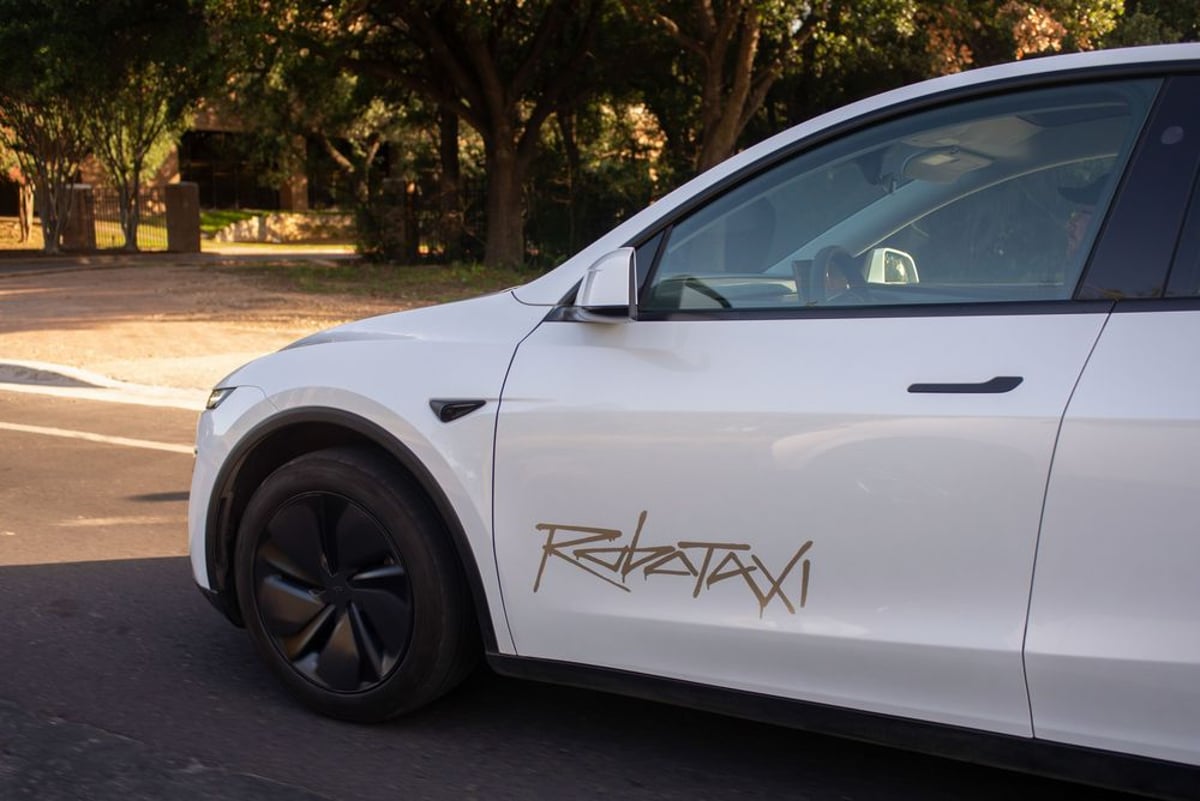
Elon Musk's vision of a fully autonomous 'robotaxi' fleet just hit a speed bump. Despite launching its highly anticipated ride-hailing service in San Francisco, Tesla is yet to shake off the human factor, as regulatory barriers restrict operations to using human drivers. As the race towards autonomous vehicles accelerates, understanding these hurdles is key for investors eyeing the automated transport sector's potential.
Opening Analysis
Tesla's recent launch of its 'robotaxi' service in San Francisco is not quite the fully autonomous dream. The company announced the service with great fanfare, yet the concept stops short of true autonomy due to strict regulatory landscapes. California's requirement of three distinct permits to fully operate driverless services has meant that Tesla has launched with a human at the wheel. Conversely, Waymo, a competitor backed by Alphabet, has met all requirements to offer commercially viable driverless rides.
Market Dynamics
The current competitive landscape in the autonomous vehicle industry in San Francisco sees Waymo taking the lead. Having secured the necessary permits, Waymo offers a glimpse into a future where cars are self-navigating urban roads. Tesla's approach, though ambitious, is hindered by these regulatory requirements, temporarily dampening its lead in innovation.
Technical Innovation
Technically, Tesla's platform is capable of operating without human intervention, but real-world application in San Francisco is mired by the 'safety monitor' requirement. This discrepancy between technological ability and regulatory permission showcases the tension inherent in the tech regulation frontier.
Financial Analysis
Despite the setbacks, Tesla remains committed to its robotaxi vision, as expressed during a recent investor announcement outlining plans to expand this service to other states like Florida and Arizona. The financial viability of such an endeavor hinges heavily on regulatory landscapes adapting to technological advancements.
Strategic Outlook
Going forward, Tesla aims to expand its service to states with potentially looser regulatory frameworks like Florida and Arizona. This shift highlights both an opportunity and a risk: states with fewer restrictions could expedite deployment, albeit with varying regulatory and operational challenges. As the industry progresses, Tesla and its investors must navigate the regulatory complexities that could define commercial success in the autonomous vehicle domain.
6 Month Projection: Tesla might achieve wider state-level expansions as it continues lobbying for regulatory changes.
1-2 Year Projection: Potential industry-wide regulatory adaptations could allow for true driverless operations in major cities.
Key Takeaways:
- Understand Regulatory Impact: Tesla's rollout is a reminder that regulation significantly affects tech deployment.
- Strategic Positioning: Companies must plan for diverse regulatory environments in different regions.
- Opportunity: Potential shifts in regulation could unlock significant market potential for autonomous vehicles.