TL;DR
- - Tesla disbands Dojo team, marking shift in AI strategy.
- - Partnerships with Nvidia and Samsung for advanced AI chips.
- - Potential benefits include enhanced training capability and cost efficiency.
- - Investors should monitor changes for AI impact on overall strategy.
Why did Tesla abandon its high-profile Dojo supercomputer project and opt for partnerships with Nvidia and Samsung? Unpack the reasons behind this strategic pivot and what it means for the future of Tesla’s AI capabilities. This move highlights a significant realignment in Tesla's approach to AI technology at a time when competitive advancements are crucial.
Opening Analysis
Six years after Tesla’s CEO Elon Musk introduced the Dojo supercomputer promising revolutionary AI capabilities, the automaker has dissolved the team overseeing its development (Bloomberg, 2025). This dramatic shift underscores Tesla’s pivot from in-house innovation to strategic partnerships, with significant implications for its autonomous vehicle technology and broader AI ambitions.
Musk had hailed Dojo as a critical asset, designed to process vast amounts of vehicle video data for AI chip training (Electrek, 2019). The decision to abandon this flagship project suggests a reevaluation of priorities, possibly driven by cost considerations and the rapidly changing technology landscape.
Market Dynamics
The competitive pressure in autonomous vehicle technology is intensifying, with many automakers and tech companies vying for a lead. Tesla's partnerships with Nvidia and Samsung could offer competitive advantages due to these companies' proven track records in AI and semiconductor technology. This move might streamline Tesla’s costs and tap into cutting-edge innovations these partners bring.
Technical Innovation
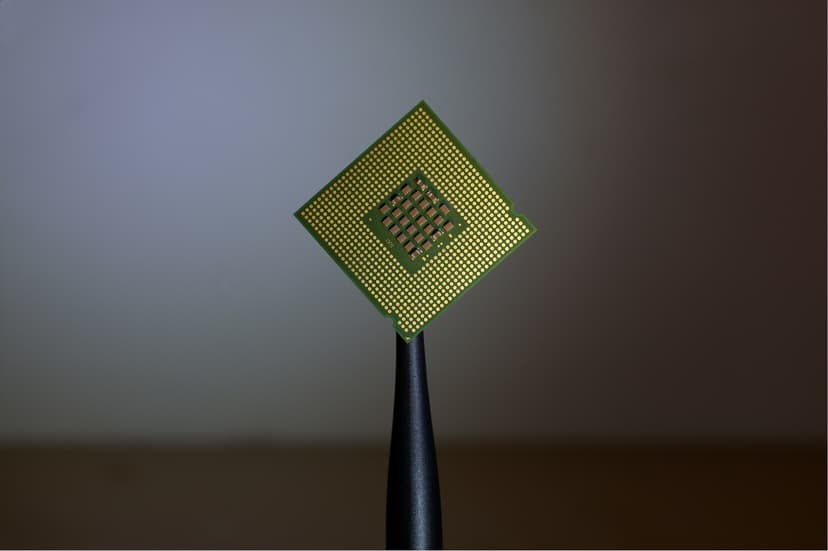
Tesla's recent announcement of a $16.5 billion deal with Samsung for developing the next-generation AI6 chip indicates a focus on efficient AI deployment (The Verge, 2025). By leveraging Nvidia's computational prowess and Samsung’s manufacturing capabilities, Tesla aims to maintain its innovation edge without incurring the substantial R&D costs of developing homegrown solutions like Dojo.
Financial Analysis
Disbanding the Dojo team realigns Tesla’s financial commitments, potentially improving profitability through decreased operational expenses while presumably benefiting from economies of scale afforded by new partnerships. The alignment with Samsung and Nvidia introduces a pathway for more reliable and cost-effective AI solutions.
Strategic Outlook
Tesla's shift can be viewed as a strategic retrenchment, possibly influenced by the inherent risks and resource demands of maintaining a proprietary AI platform. This transition aligns Tesla more closely with technology leaders, positioning it to react swiftly to advancements in AI semiconductors. The launch of Tesla's robotaxi services in key markets like Austin and San Francisco suggests that the company continues to innovate, but its adaptation strategies are now more outward-focused.
Projections: Within 3-6 months, expect adjustments in Tesla’s AI roadmap. Over the next 1-2 years, watch for new AI product integrations indicative of successful collaborations with Nvidia and Samsung.
Key Takeaways:
- Strategic Shift: Tesla moves from in-house to partner-based AI solutions.
- Cost Management: Lower R&D costs through Nvidia and Samsung collaborations.
- Future Innovations: Potential for next-gen AI chip advancements. – all in markdown format