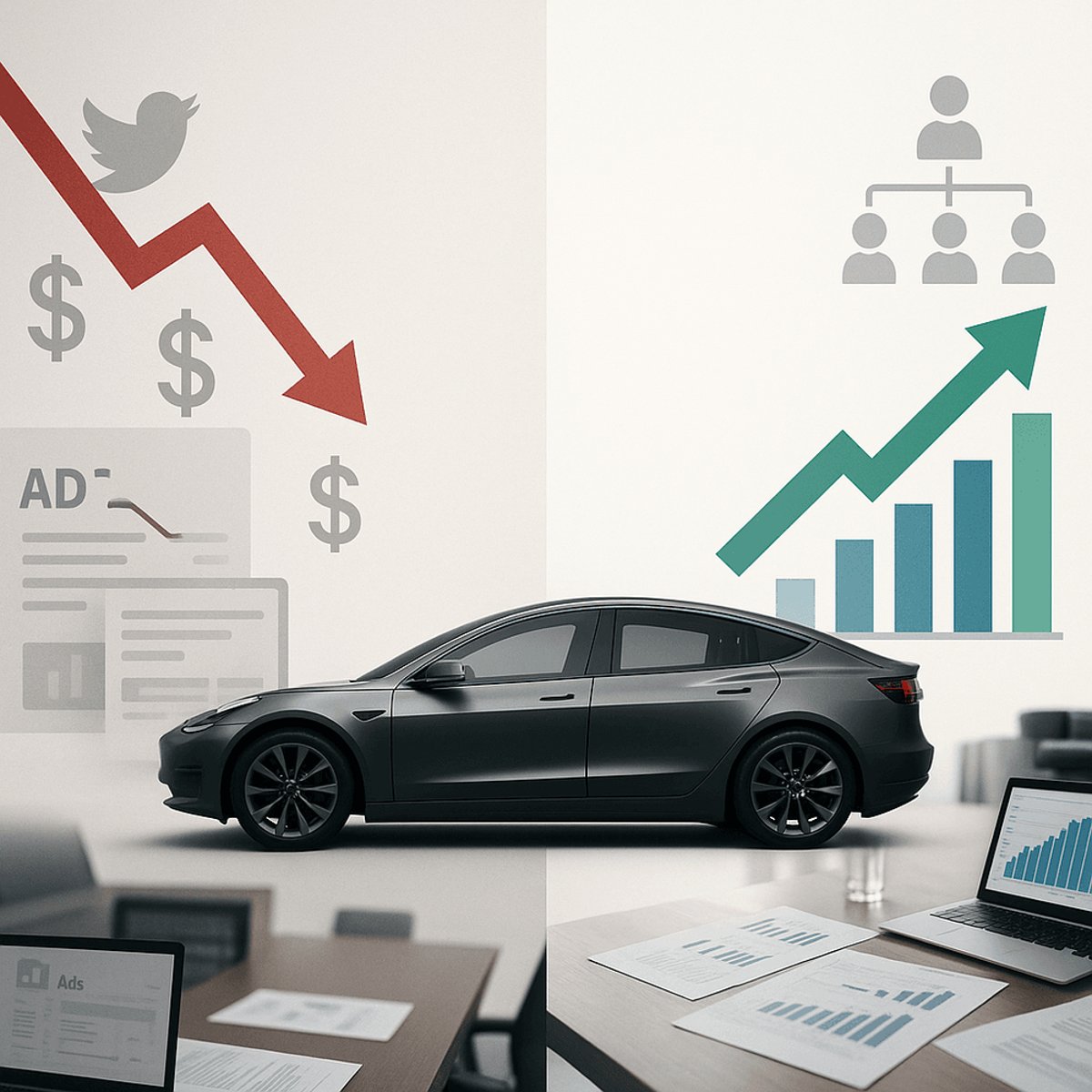
Tesla has dramatically slashed its advertising spend on X by 85%, on track to spend just $60,000 in 2025 compared to $400,000 in 2024, according to new SEC filings. The revelation comes as the automaker simultaneously paid $300,000 to CEO Elon Musk's brother Kimbal's drone company, raising fresh questions about Tesla's strategic priorities amid struggling sales.
Tesla just pulled back the curtain on a stunning reversal in its relationship with Elon Musk's X platform, revealing an 85% collapse in advertising spending that signals deeper troubles for both companies. The automaker spent a mere $10,000 on X ads in the first two months of 2025, putting it on track for annual spending of just $60,000 - a dramatic drop from the $400,000 it invested in 2024, according to new regulatory filings.
The spending collapse mirrors Tesla's broader cost-cutting efforts as the company faces mounting pressure from slowing EV sales and intensifying competition from Chinese manufacturers like BYD. During the same two-month period last year, Tesla had already committed $200,000 to X advertising, suggesting the company made a strategic decision to pivot away from Musk's platform despite his ownership of both entities.
This represents a complete about-face from Tesla's historic advertising stance. The company famously avoided paid advertising for years until Musk caved to shareholder pressure in 2023, telling investors that Tesla would "try a little advertising and see how it goes," according to previous earnings calls.
While Tesla has dramatically reduced its X spending, the company maintains a robust presence on Google's platforms, with approximately 700 active advertisements running across Search and YouTube, according to Google's Ads Transparency database. This selective approach suggests Tesla is prioritizing platforms that deliver measurable returns over supporting Musk's struggling social media venture.
The advertising pullback comes as X faces an advertiser exodus following Musk's controversial content moderation decisions and his public endorsement of antisemitic conspiracy theories. Major brands including Apple, Disney, and IBM have fled the platform, creating a revenue crisis that Musk has publicly acknowledged.
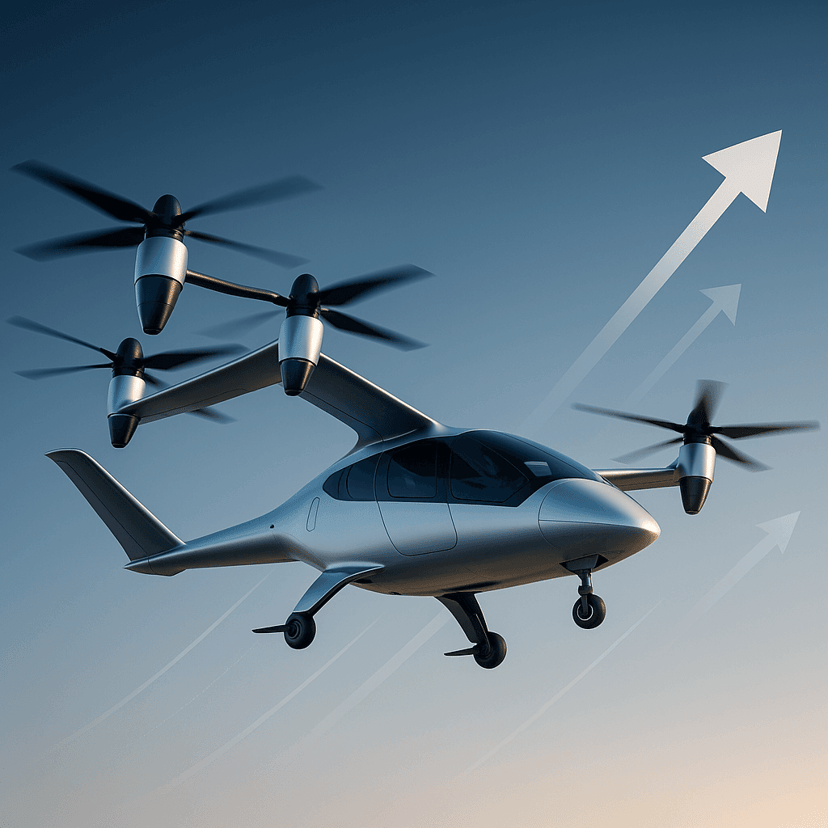
But while Tesla cuts spending on X, it's simultaneously increasing payments to other Musk family enterprises. The company paid Kimbal Musk's drone company, Nova Sky Stories, $300,000 for the aerial light show during Tesla's "We, Robot" event in October 2024, according to the filing. Kimbal Musk serves on Tesla's board of directors, raising potential conflict-of-interest concerns among governance experts.
The filing also reveals that Tesla paid SpaceX approximately $800,000 in 2024 for private jet usage - an arrangement that primarily benefits Musk's frequent travel between his various company headquarters. However, even this expense is trending downward, with only $40,000 paid through February 2025.
Security costs for protecting Musk continue to escalate, with Tesla paying a Musk-owned security company $2.8 million in 2024, up from $2.4 million in 2023. The company notes this represents only a "portion" of Musk's total security expenses, suggesting shareholders bear an even larger burden for protecting the CEO.
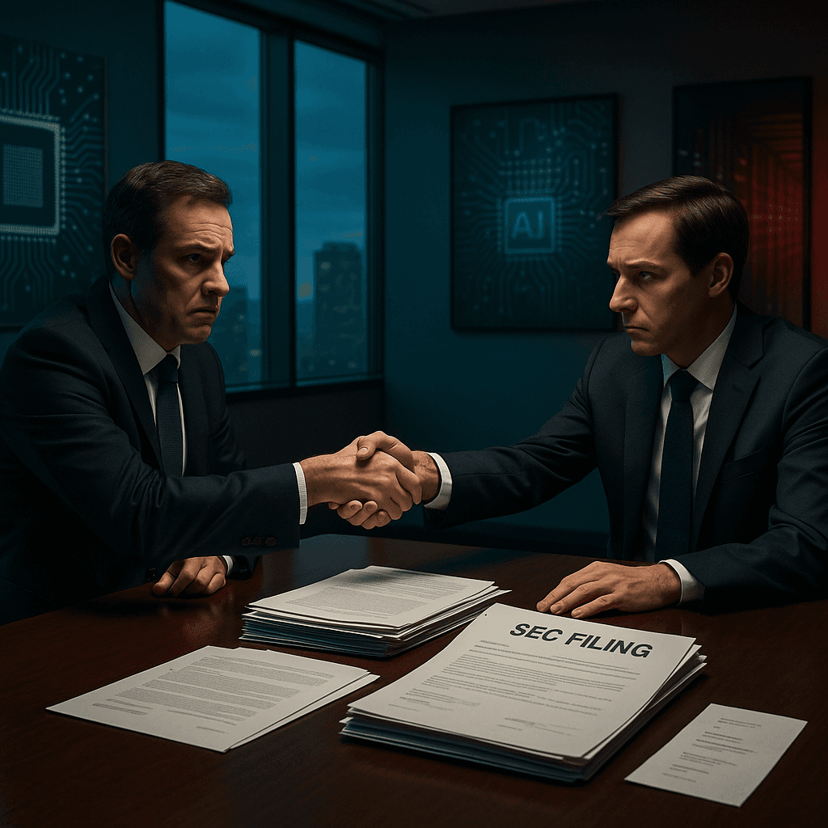
The biggest inter-company transaction flows in the opposite direction, with Musk's AI startup xAI paying Tesla $198.3 million in 2024, primarily for Megapack battery storage systems powering xAI's Memphis data center. This revenue stream continued into 2025 with another $36.8 million payment through February.
Industry analysts view Tesla's advertising retreat as symptomatic of broader challenges facing both the EV pioneer and X. "When a company cuts advertising spend this dramatically, it's usually a sign of either budget constraints or platform effectiveness issues," notes digital marketing expert Sarah Chen of Automotive Analytics. "For Tesla to essentially abandon X while maintaining Google spending suggests they're not seeing returns from Musk's platform."
The timing is particularly challenging for X, which needs every advertising dollar as it struggles to rebuild its revenue base. Musk has repeatedly claimed that X usage is at "all-time highs," but advertising revenue remains well below pre-acquisition levels when the platform was known as Twitter.
Tesla's dramatic X advertising pullback while maintaining Google spending reveals the platform's declining effectiveness even within Musk's own business empire. As Tesla faces sales pressures and X struggles with advertiser flight, this spending shift signals that even family loyalty has limits when measurable returns are at stake. Investors will be watching whether Tesla's cost-cutting measures extend to other Musk family business relationships, or if the company continues prioritizing internal ecosystem support over external market opportunities.