The biggest risk in the AI era is not a red day on the Nasdaq. It is unemployment... But not the kind you are thinking of.
For forty years, automation chewed through factory floors and routine clerical jobs. The professional class told itself a quiet story: learn to code, get the degree, move into knowledge work, and you will be safe. Law school loans, MBA debt, medical residencies, endless certifications were seen as "pain now, security later."
Now the software is coming for the safe zone.
When Dario Amodei talks about unemployment potentially hitting 10 to 20 percent, the headline draws our attention, but the subtext is sharper. Non-routine cognitive workers have grown to nearly half of US employment. JPMorgan Chase researchers have flagged how unusual it is that this group is starting to make up a larger share of the unemployed than manual workers. That flips the historical script.
There is something psychologically different about a laid off factory worker and a laid off corporate attorney who spent a decade accumulating credentials. One loses a job. The other completely loses his identity and narrative about how the world works.
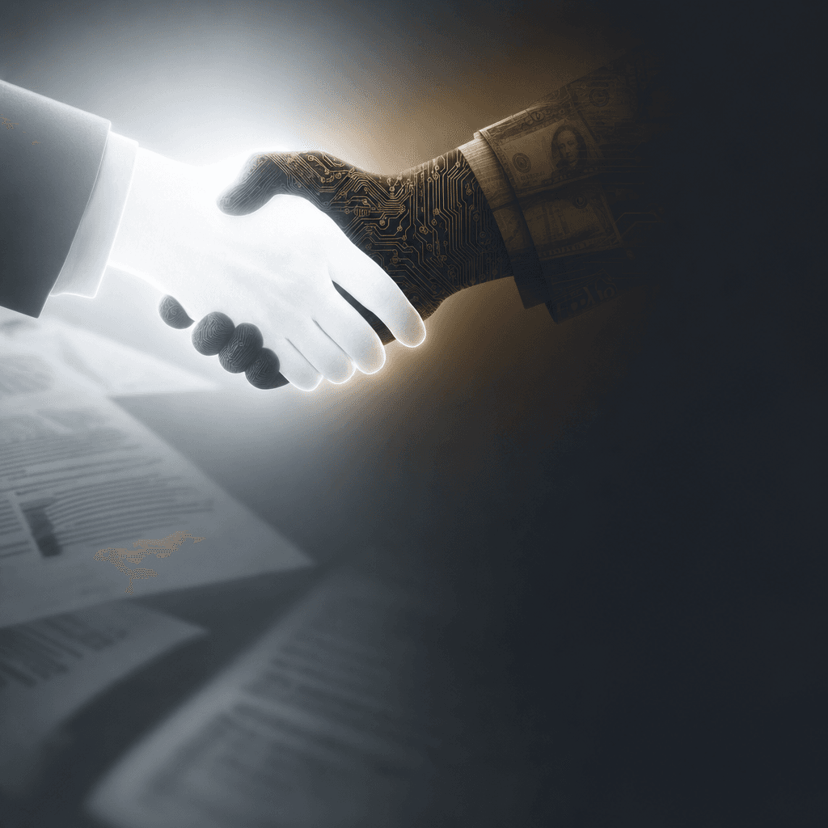
Startups like Mercor paying professionals to train the systems that may reduce demand for them adds a layer of irony that borders on cruel. You annotate your own replacement. You fine tune the model that will draft the memo faster and better than you.
Research from places like the Brookings Institution and analyses tied to the United Nations have found a consistent pattern: educated underemployment is politically volatile because it goes beyond just income. It is about status falling short of expectation. That gap breeds resentment with teeth.
The professional class has been the backbone of liberal institutions, regulatory systems, and incremental reform. If that group starts to feel cheated by the very technological progress it championed, the mood will shift, trust will be drained, patience will evaporate, and the professional class might rise up in arms to reclaim their identity.
This is why the story of AI automation cannot be reduced to productivity gains or labor reallocation curves. When disruption concentrates in the credentialed class, the fallout travels through culture and politics, not just payroll systems. In the coming years, the spreadsheet will show job losses, but the real damage may show up in how people vote, organize, and decide what they believe is worth preserving.