The White House just dropped the most detailed look yet at how a restructured TikTok would operate under American control. Press Secretary Karoline Leavitt revealed that Americans will hold six of seven board seats and control the algorithm entirely - a deal that's agreed upon but not yet signed, with Oracle, Andreessen Horowitz, and Silver Lake lined up as new investors.
The TikTok saga just took its most concrete turn yet. White House Press Secretary Karoline Leavitt appeared on Fox News today with the clearest picture of how TikTok's American future would actually work - and it's a near-complete handover of control to US interests.
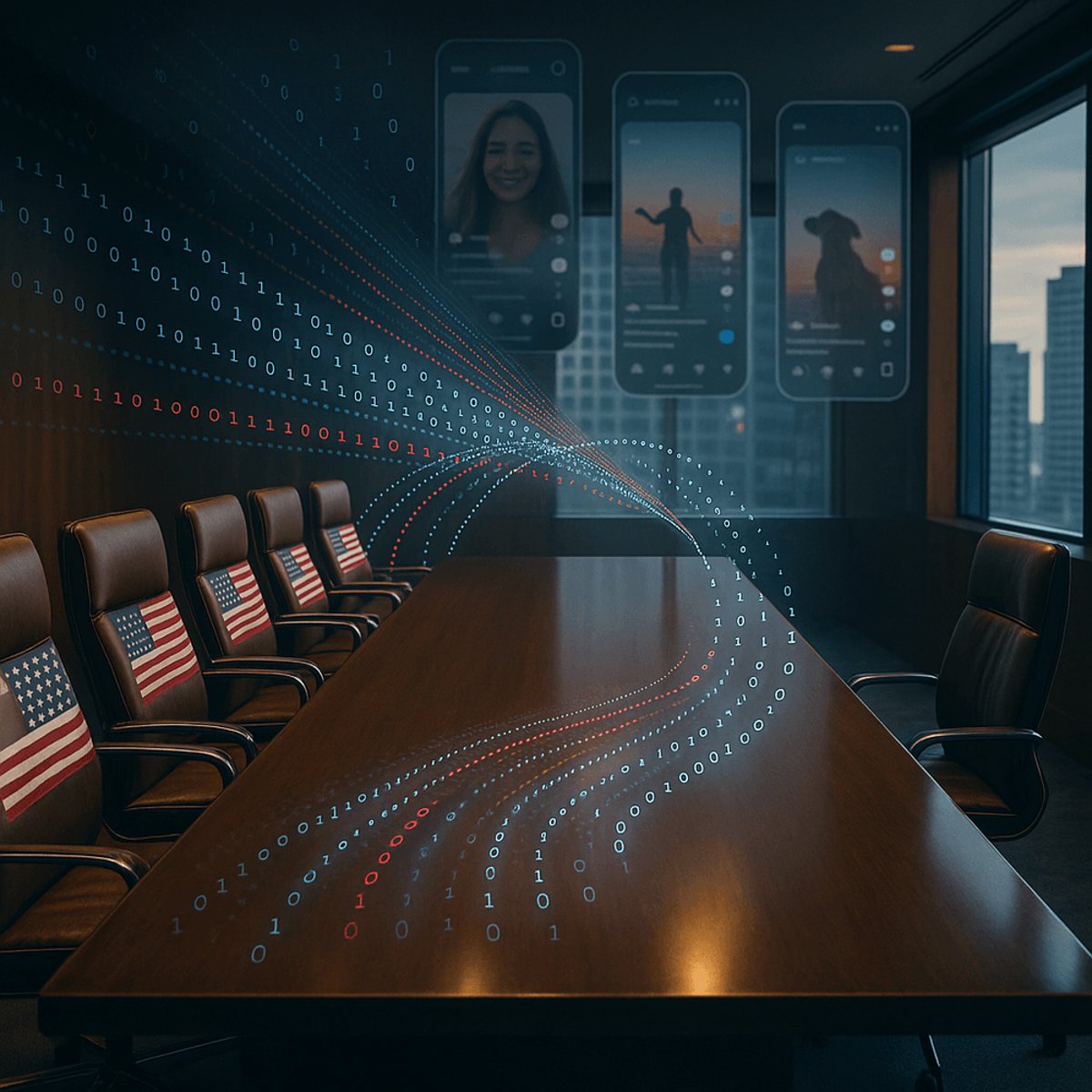
Americans will hold six of the seven board seats in the restructured company, while the short-form video app's algorithm - the secret sauce that's kept 170 million Americans scrolling - becomes entirely US-controlled. "All of those details have already been agreed upon, now we just need this deal to be signed and that will be happening, I anticipate, in the coming days," Leavitt told viewers according to Bloomberg's reporting.
The investor lineup reads like a who's who of Silicon Valley power players. Oracle will handle the app's security and safety infrastructure, while Andreessen Horowitz and private equity giant Silver Lake Management join as major stakeholders. It's a notable win for Oracle, which has been angling for a TikTok partnership since the Trump administration's first attempt at forcing a sale back in 2020.
ByteDance, TikTok's current Chinese owner, gets squeezed down to less than 20% ownership in what amounts to a near-complete divestiture. The structure essentially gives American interests overwhelming control while allowing ByteDance to maintain a financial stake - a compromise that appears designed to satisfy both US national security concerns and Chinese face-saving needs.
The timing feels deliberately coordinated. President Trump has repeatedly extended deadlines for the TikTok ban legislation passed during the Biden administration, buying space for these negotiations to play out. On Friday, Trump revealed that Chinese President Xi Jinping had given his blessing to the deal structure, according to The New York Times.
But the devil's in the implementation details that remain murky. How exactly will algorithm control transfer to American hands? Will ByteDance's engineers who built TikTok's recommendation system stay involved? The technical handover of an AI system this complex isn't just a matter of changing legal ownership - it requires deep operational integration that could take months to execute properly.
The deal also raises questions about precedent. If the US can effectively force the sale of a foreign-owned app through regulatory pressure, other countries might follow suit with American tech companies. Meta, Google, and Apple all have significant international operations that could face similar scrutiny.
For Oracle specifically, this represents a massive strategic win. The company gets to position itself at the center of one of the world's most valuable social media platforms while handling critical security infrastructure. It's exactly the kind of high-profile government and enterprise relationship that Oracle has built its business model around.
The investor composition also signals confidence in TikTok's continued growth under American ownership. Andreessen Horowitz doesn't make bets this big without seeing a clear path to returns, and Silver Lake's involvement suggests the private equity world views TikTok as having untapped monetization potential.
What's still missing is any word from TikTok's current leadership or ByteDance itself. CEO Shou Zhou has remained notably quiet as these details emerge, though the company did recently restart its US hiring after months of uncertainty.
The coming days will reveal whether this framework actually translates to signed documents and regulatory approval. But for the first time since this saga began, the White House is putting specific governance details on the record - suggesting they're confident this deal will actually close.
This TikTok deal structure represents the most significant forced tech acquisition in US history, effectively creating a model for how America might handle other foreign-owned platforms it deems a national security risk. With Oracle handling security, American investors controlling the board, and the algorithm under US oversight, it's a complete power transfer disguised as a business transaction. The real test comes in execution - turning these agreed-upon frameworks into a functioning company while maintaining the addictive user experience that made TikTok worth fighting over in the first place.