President Donald Trump escalated his confrontation with Big Tech Friday, demanding Microsoft fire Lisa Monaco, the former Biden administration deputy attorney general who joined the company's global affairs team in July. The public ultimatum, posted to Trump's 10 million Truth Social followers, marks an unprecedented direct presidential intervention in corporate hiring decisions at one of America's largest government contractors.
The confrontation erupted Friday afternoon when Trump took to Truth Social to target Monaco directly. 'She is a menace to U.S. National Security, especially given the major contracts that Microsoft has with the United States Government,' Trump wrote in the post. The president claimed the government had 'stripped her of all Security Clearances, took away all of her access to National Security Intelligence, and banned her from all Federal Properties' due to her 'wrongful acts.'
Microsoft has remained silent on the demand, not immediately responding to requests for comment. The company finds itself in an increasingly precarious position as it navigates massive government relationships worth billions while facing direct political pressure over personnel decisions.
The timing isn't coincidental. Monaco's hiring became public Friday morning when Fox Business anchor Maria Bartiromo posted about the appointment on X, linking to a July article from the University of Chicago law school's website. According to Monaco's LinkedIn profile, she joined Microsoft's global affairs division in July, just months after leaving her Justice Department role.
During her tenure as deputy attorney general under Biden, Monaco oversaw some of the most aggressive antitrust enforcement in decades. She was instrumental in major cases against tech companies and played a key role in the Live Nation antitrust lawsuit announced in May 2024. Her departure from DOJ marked the end of an era of heightened regulatory scrutiny that put companies like Microsoft, Google, and Meta squarely in the government's crosshairs.
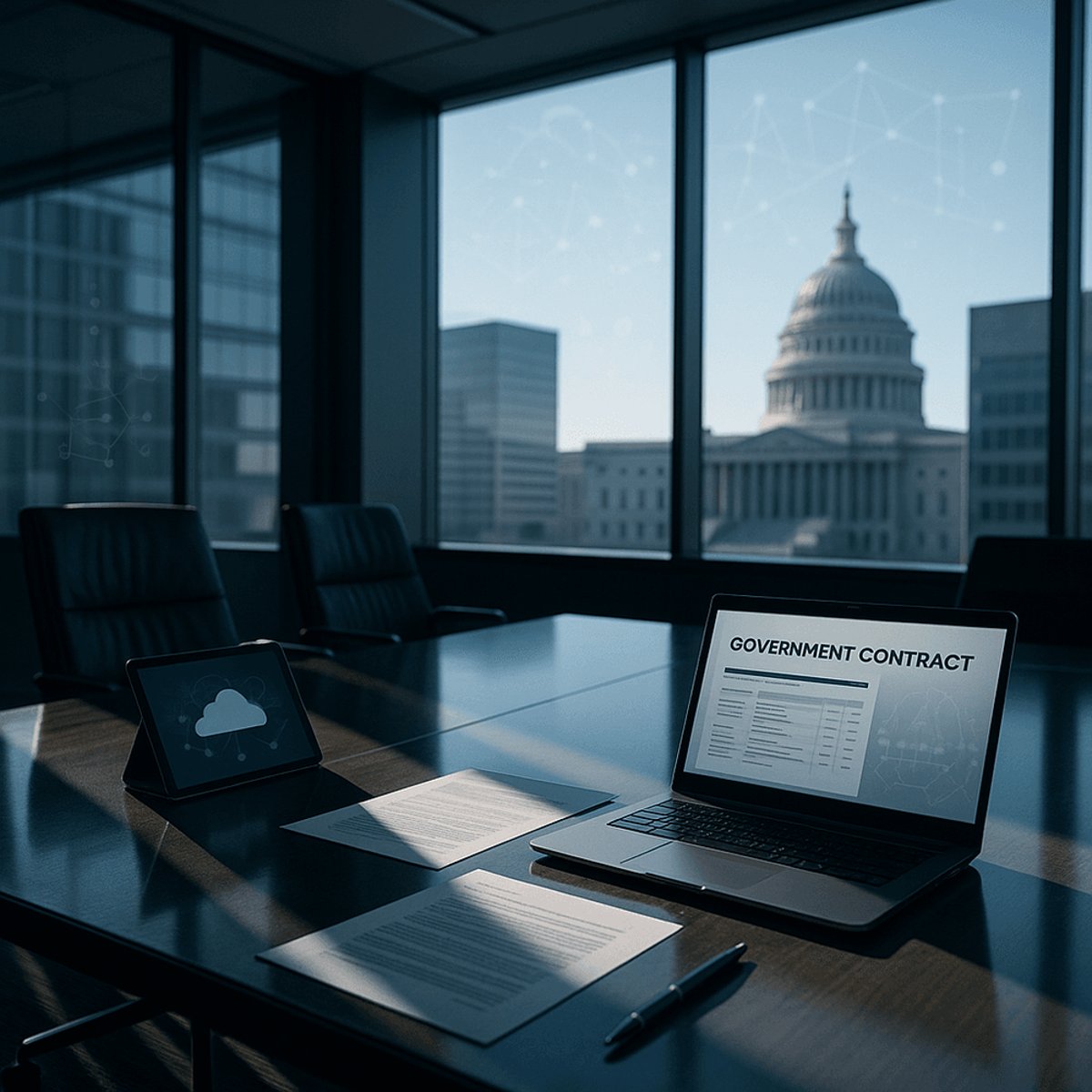
Microsoft represents a particularly complex case for the Trump administration. The company is deeply embedded in federal operations, providing cloud infrastructure and productivity software across agencies. Earlier this month, Microsoft agreed to offer $3.1 billion in savings on cloud services for government use, cementing its position as a critical technology partner.
The pressure campaign comes just one day after former FBI Director James Comey was indicted, following Trump's public calls for prosecution. The pattern suggests a broader strategy of targeting former Biden administration officials who have transitioned to private sector roles.
Adding another layer of complexity, Microsoft announced Thursday it would cut off cloud services to an Israeli military unit after investigating claims the division built systems to track Palestinian phone calls. With Trump scheduled to meet Israeli Prime Minister Benjamin Netanyahu on Monday, the Israeli military decision could factor into broader tensions.
Microsoft CEO Satya Nadella has tried to maintain diplomatic relations with the administration, attending a White House dinner with other tech executives earlier this month. But Trump's direct ultimatum puts the company in an impossible position - comply with presidential demands over hiring decisions or risk jeopardizing billions in federal contracts.
The demand represents uncharted territory for corporate America. While presidents have historically pressured companies over policy positions or business practices, directly targeting individual executives for firing based on their previous government service breaks new ground. Legal experts suggest such pressure could raise questions about government overreach and corporate autonomy.
For Monaco, the situation creates a stark example of the risks facing former government officials transitioning to private sector roles. Her expertise in national security law and regulatory matters made her an attractive hire for Microsoft's global affairs team, but that same background now makes her a political target.
Trump's demand for Monaco's firing represents a new level of direct presidential intervention in corporate personnel decisions. As Microsoft weighs its response, the incident sets a precedent for how the administration might pressure other tech companies over hiring former Biden officials. The outcome could determine whether corporate America can maintain independence in staffing decisions or must navigate political loyalty tests for key executives. With billions in government contracts at stake, Microsoft faces a defining moment that could reshape the relationship between Big Tech and federal power.