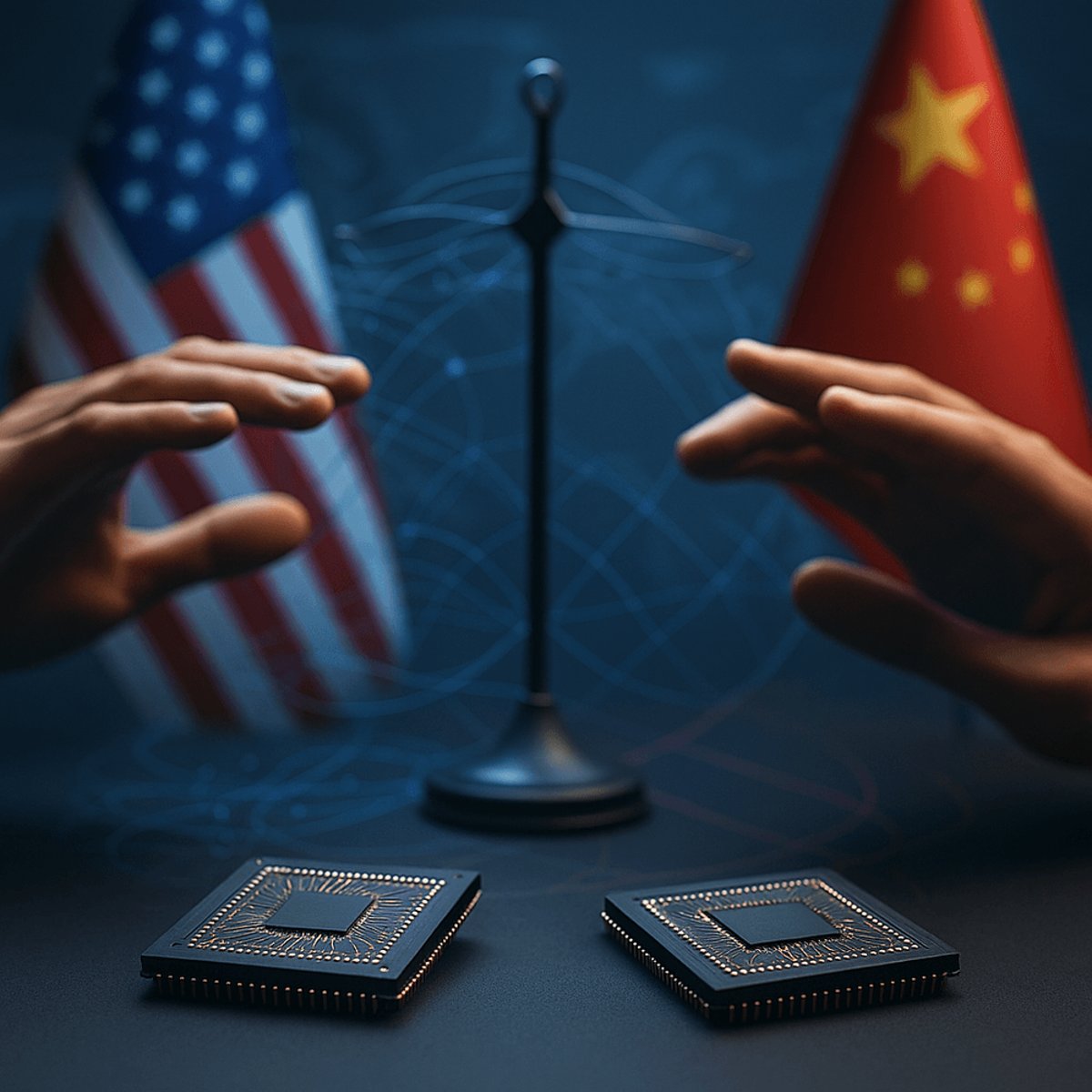
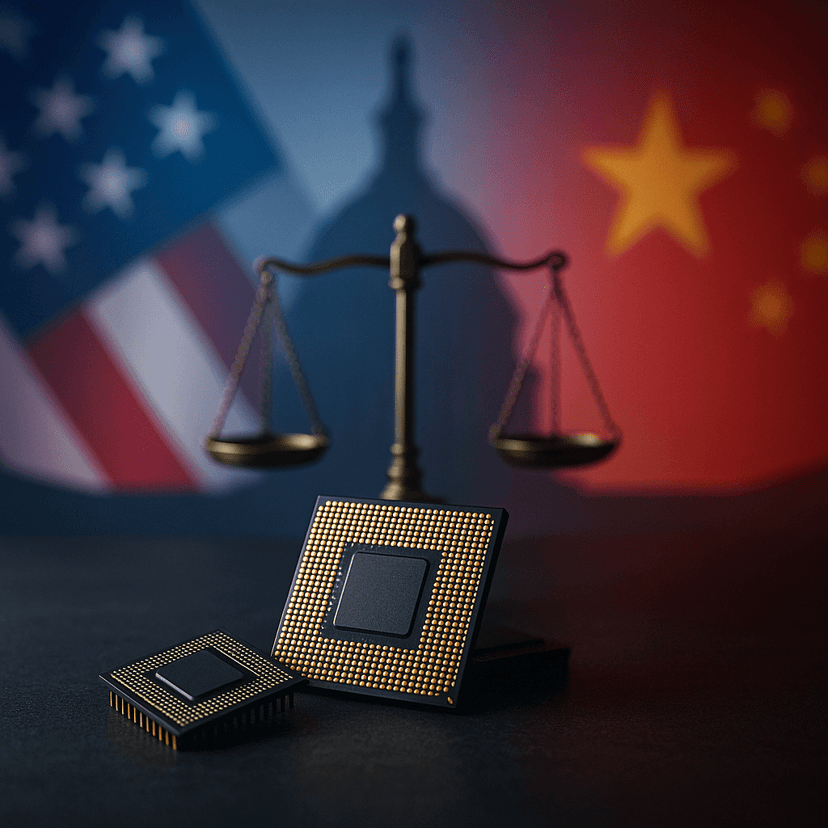
President Trump's surprise deal to let Nvidia sell advanced H200 AI chips to China in exchange for 25% revenue share is meeting fierce resistance from his own party. The proposal, which Chinese President Xi Jinping reportedly endorsed, has GOP senators warning it could accelerate China's military AI capabilities and hand Beijing a critical advantage in the global tech race.
The political firestorm erupted hours after Trump announced the H200 chip export agreement via Truth Social Monday evening. The deal represents a major shift from previous export controls that limited China to Nvidia's less capable H20 chips, which were specifically designed for the Chinese market after earlier restrictions.
"Alarm bells go off in my head here," Sen. Lindsey Graham told CNBC Tuesday. "I don't mind doing normal business with China. But if you can prove to me this will accelerate their military capability, I'll oppose it." The South Carolina Republican's reaction signals broader GOP unease with what many view as a transactional approach to national security.
Sen. Josh Hawley of Missouri was even more direct, arguing that "China's progress on AI is almost entirely parasitic on our technology, in particular on our hardware." He told reporters on Capitol Hill that constraining Chinese access to American semiconductors should be the priority, not expanding it. "If we want to beat China, I think we need to constrain their ability to leverage our own technology," Hawley said.
The H200 chips at the center of the controversy pack significantly more processing power and memory bandwidth than anything China can currently produce domestically. According to the House Select Committee on China, a Republican-led panel, these capabilities could help Beijing "catch up to America in total compute" and strengthen both military applications and surveillance systems.
Trump's move builds on a summer agreement that allowed Nvidia and AMD to sell less powerful chips to China in exchange for 15% of sales revenue. But China reportedly advised companies against purchasing those semiconductors, leaving the door open for this upgraded proposal. The revenue-sharing model appears designed to ensure American benefits from any technology transfer, though critics question whether financial gains justify potential security risks.
White House spokesman Kush Desai defended the administration's approach, telling CNBC that "The Trump administration is committed to ensuring the dominance of the American tech stack - without compromising on national security." But that assurance isn't satisfying lawmakers who've spent years warning about China's tech ambitions.
The timing complicates matters for Trump. Just last week, Sen. Pete Ricketts introduced bipartisan legislation that would deny export licenses for advanced chips to China and other adversaries for at least 30 months. "The best AI chips are made by American companies. Denying Beijing access to these AI chips is essential to our national security," Ricketts said in unveiling the SAFE Chips Act.
Democrats are seizing on the apparent policy contradiction. Sen. Elizabeth Warren highlighted how the Justice Department recently touted a crackdown on "major China-linked AI tech smuggling network" involving similar chips. "Trump is letting NVIDIA export cutting-edge AI chips that his own DOJ revealed are being illegally smuggled into China," she wrote on X.
Not all Republicans are joining the pile-on. Sen. Thom Tillis of North Carolina told CNBC he doesn't "have a real problem with providing them some chips," though he emphasized the need for monitoring and oversight. His more measured response suggests the party isn't completely unified in opposition.
The semiconductor industry finds itself caught between competing pressures. Nvidia has seen its China business crater under export restrictions, with the company developing the H20 specifically to comply with previous limitations. The H200 deal could restore significant revenue from what was once a crucial market, but it also risks the kind of technology transfer that has historically benefited Chinese competitors.
The House Select Committee on China warned that Beijing will "rip off its technology, mass produce it themselves, and seek to end Nvidia as a competitor." This playbook, the panel argues, has been used "in every critical industry" where China gains access to American innovation.
Trump's H200 chip deal exposes the fundamental tension between economic opportunity and national security in the AI era. While the 25% revenue share attempts to ensure American benefits, GOP concerns about accelerating China's military AI capabilities reflect deeper anxieties about technological competition. With bipartisan legislation pending to block such exports entirely, this controversy could define how aggressively the US restricts critical technology transfers. The outcome will likely shape semiconductor policy for years and determine whether economic pragmatism or security hawks prevail in Trump's China strategy.