Microsoft is bringing its Gaming Copilot AI assistant to current-gen Xbox consoles later this year, marking a significant expansion of the voice-powered gaming helper beyond mobile and PC. Sonali Yadav, Xbox's product manager for gaming AI, dropped the news during a panel at the Game Developers Conference, signaling Microsoft's push to make AI assistance a standard feature across its entire gaming ecosystem. The move comes as the tech giant races to embed Copilot across every corner of its product lineup.
Microsoft just confirmed what many Xbox players have been waiting for. The company's Gaming Copilot AI assistant is coming to current-generation consoles before the year's out, Xbox product manager Sonali Yadav revealed during a panel at the Game Developers Conference this week.
The announcement, first reported by GamesRadar, marks the next phase in Microsoft's aggressive rollout of AI across its gaming division. Yadav told attendees the company will also expand the assistant to "more services that players are playing," though she didn't spell out which platforms are next in line.
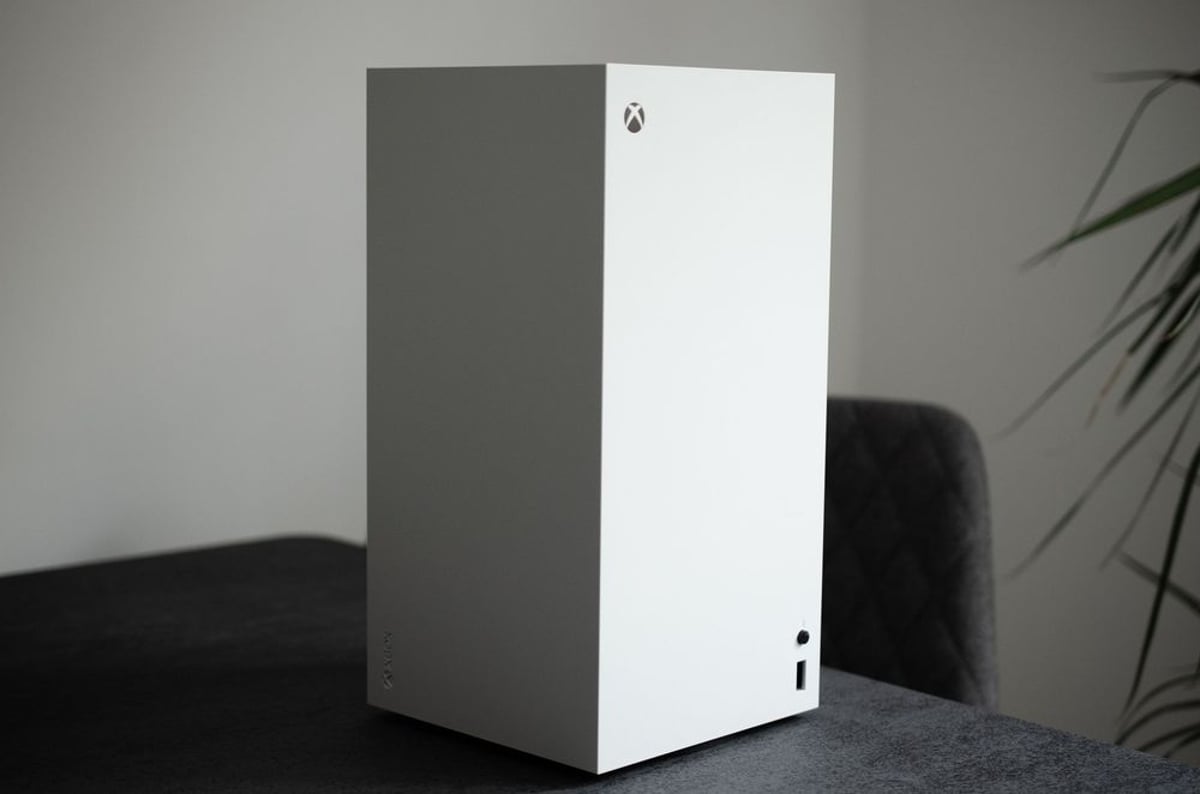
For Xbox Series X and Series S owners, this means the same voice-powered helper that's been living in beta on mobile and PC is finally making the jump to the living room. Players will be able to summon the AI when they're stuck on a puzzle, need tips for a tough boss fight, or just want quick answers without pausing to Google.
Microsoft has been testing Gaming Copilot since late 2025, rolling it out gradually across the Xbox mobile app, Windows 11's Game Bar, and Xbox Ally handhelds. The beta period gave the company time to refine the voice recognition and train the AI on gaming-specific queries - a crucial step before shipping to the broader console audience.
The timing isn't accidental. Microsoft's been on a tear embedding Copilot into everything from Office apps to Windows itself, and gaming represents one of the company's most engaged user bases. With over 34 million Xbox Game Pass subscribers as of late 2025, the potential reach for Gaming Copilot is massive.
But the console launch raises questions about implementation. Will the AI run locally on Xbox hardware, or will it rely on cloud processing? How will it handle game-specific knowledge for the thousands of titles in the Xbox library? And most importantly, will players actually use it, or will it join the pile of experimental features that never quite catch on?
The GDC reveal suggests Microsoft is confident enough in the technology to bring it mainstream. Unlike earlier gaming assistants that felt bolted on, Gaming Copilot appears designed from the ground up for natural voice interaction. Players won't need to memorize commands - they can just ask questions like they would a friend sitting next to them on the couch.
For developers, the expansion could open new possibilities. Imagine games designed with Copilot integration in mind, where the AI doesn't just answer questions but becomes part of the experience. Some studios might build tutorials around it, while others could use it to reduce frustration in notoriously difficult games.
The console launch also puts pressure on Sony and Nintendo, neither of which has announced comparable AI assistants for PlayStation or Switch. If Gaming Copilot takes off, Microsoft could gain a genuine competitive advantage in the accessibility and user experience department.
Microsoft's decision to bring Gaming Copilot to Xbox consoles this year signals the company's belief that AI assistants are ready for primetime in gaming. If the execution matches the ambition, we could be looking at a genuine shift in how players interact with games - less Alt-Tabbing to wikis, more natural conversation with an AI that actually understands what you're trying to do. The real test won't be the technology itself but whether players embrace talking to their consoles when they're stuck. If they do, expect Sony and Nintendo to scramble to catch up.