TL;DR:
• UK National Drought Group recommends deleting digital files to conserve water amid severe drought
• Small data centers consume 25 million+ liters annually through cooling systems
• Water demand dropped 20% in Severn Trent area after conservation messaging
• Five UK regions officially declared drought, worst since 1976
The UK government is now asking citizens to delete old emails and photos as a drought-fighting strategy, highlighting the surprising water footprint of digital storage during the country's worst drought in nearly 50 years. Five regions have declared drought conditions as officials scramble for conservation measures.
The UK's National Drought Group dropped an unusual recommendation today that sounds more like IT housekeeping than environmental policy: delete your old emails and photos to help fight the country's worst drought since 1976. The suggestion reveals how desperate the water crisis has become and spotlights the hidden environmental cost of our digital lives.
"Simple, everyday choices – such as turning off a tap or deleting old emails – also really helps the collective effort to reduce demand and help preserve the health of our rivers and wildlife," Helen Wakeham, Environment Agency Director of Water, said in today's press release.
The connection between your Gmail inbox and Britain's empty reservoirs runs through the country's expanding network of data centers, which can guzzle upwards of 25 million liters of water annually for cooling if they rely on traditional evaporative methods. Every stored file, cached video, and archived email requires server space that demands constant cooling to prevent overheating.
Microsoft has been experimenting with radical cooling alternatives, from submerging entire data centers underwater to immersing servers in fluorocarbon liquid baths. But most facilities still rely on water-intensive cooling towers that allow massive amounts of water to evaporate daily.
The water crisis extends beyond direct cooling needs. Power generation for energy-hungry data centers requires additional water at fossil fuel plants and nuclear reactors for steam production and cooling systems. The EU has already begun working on water usage caps for data centers as concerns mount across the continent.
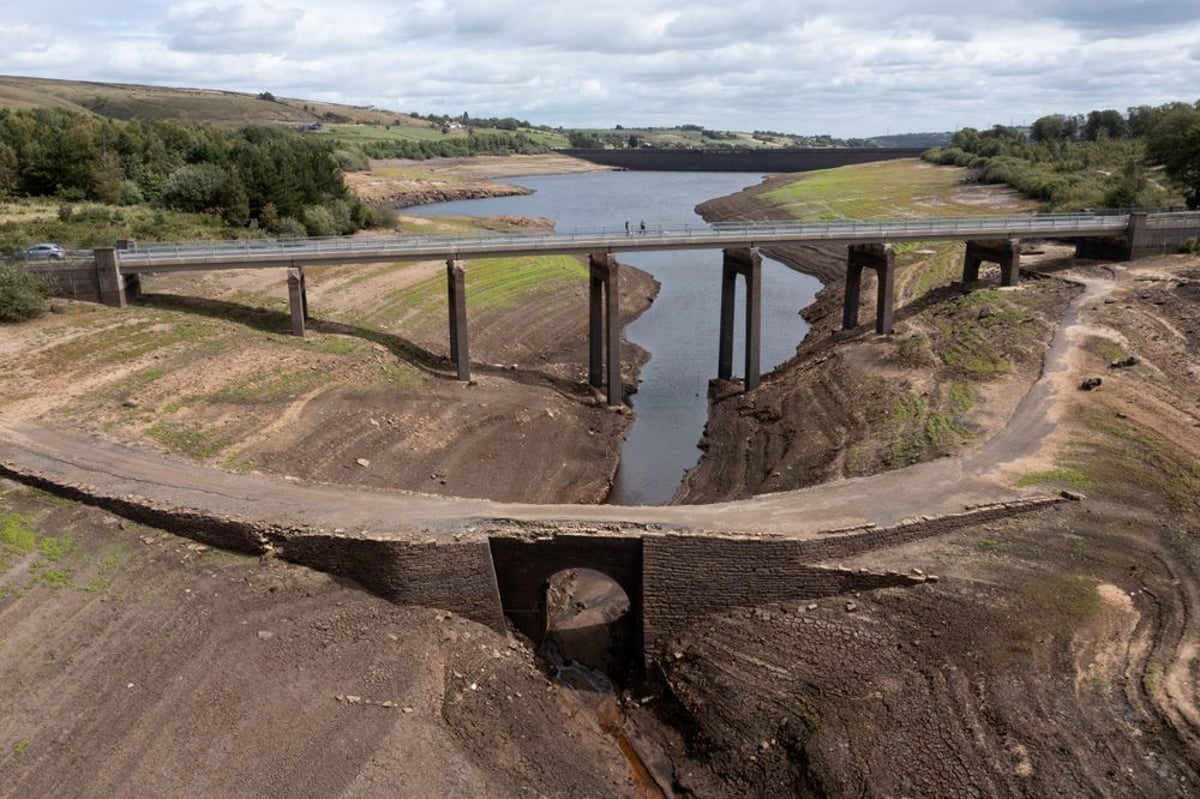
August delivered the UK's fourth heatwave this summer, pushing an already critical situation to the breaking point. The current drought represents the driest six-month period leading to July since 1976, with five regions now officially declared drought zones while another six face "prolonged dry weather." The Baitings Reservoir in Yorkshire sits nearly empty, its exposed lakebed a stark reminder of the crisis.
The government's plea appears to be working where it counts most. Water demand plummeted 20 percent from its July 11th peak in the Severn Trent area following intensive "water-saving messaging," according to the National Drought Group. The campaign extends beyond digital decluttering to more traditional conservation measures like fixing leaking toilets, which can waste 200 to 400 liters daily.
The Environment Agency hasn't provided specific calculations on potential water savings from mass email deletions, nor disclosed water consumption figures for UK data centers in drought-affected regions when contacted by The Verge. The silence suggests officials may be casting a wide net for conservation ideas rather than targeting the most water-intensive digital activities.
The UK's digital decluttering drought strategy marks a watershed moment where environmental crisis meets our cloud-dependent lifestyle. While deleting emails may seem trivial compared to fixing infrastructure leaks, it signals growing recognition that our digital consumption carries real environmental costs. As data centers proliferate and climate events intensify, expect more governments to scrutinize the hidden water footprint of our always-on digital world.