Verizon just rolled out its cheapest home internet option yet, targeting rural customers stuck with DSL and satellite connections. The new Lite plan offers 25Mbps speeds for $60 monthly - or as low as $25 with bundle discounts - but speed-conscious users might want to look elsewhere before signing up.
Verizon is making its play for America's internet have-nots. The carrier launched its new Lite home internet service today, targeting customers in areas where fiber and 5G haven't reached yet. But at 25Mbps for $60 monthly, it's a hard sell when competitors offer dramatically faster speeds for similar prices.
The timing isn't coincidental. Verizon is positioning itself for a major infrastructure expansion, with pending acquisitions of fiber provider Frontier and antenna-based service Starry set to dramatically expand its coverage footprint.
"This is really about reaching customers limited to older, less reliable options like DSL or satellite," according to Verizon's announcement. The carrier clearly sees an opportunity in markets where broadband options remain limited, but the value proposition gets murky when you dig into the details.
Existing Verizon mobile customers get the best deal - a $15 monthly discount when bundling services, plus another $10 off for paperless billing and autopay. An additional $10 three-year discount for mobile customers who sign up before December 31st brings the total down to $25 monthly. That's genuinely competitive pricing for rural markets where options are scarce.
But here's where Verizon's strategy hits turbulence. T-Mobile's cheapest home internet plan costs just $55 monthly for speeds up to 415Mbps - that's more than 16 times faster than Verizon's offering for barely more money. The German carrier has been aggressively expanding its fixed wireless access using 5G towers, directly competing for the same underserved markets Verizon is now targeting.
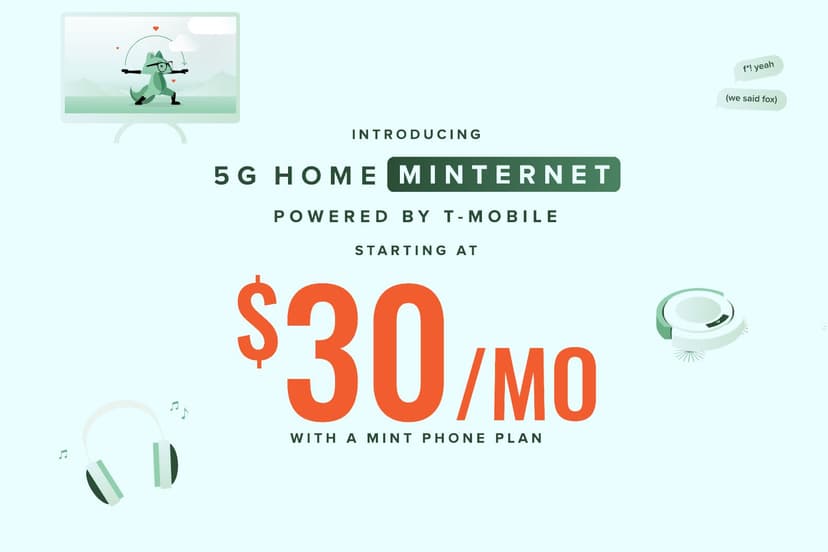
The data allowances tell an even starker story. Verizon throttles speeds by up to 10Mbps after customers use 150GB in a month. Meanwhile, T-Mobile doesn't start throttling until 1.2TB of usage, and even Mint Mobile's new prepaid home internet maintains 415Mbps speeds before throttling at 1TB for $50 monthly.
For Verizon, this isn't really about competing on specs - it's about market positioning ahead of its acquisition spree. The Frontier deal, pending FCC approval, would add significant fiber infrastructure to Verizon's network. The Starry acquisition brings millimeter-wave wireless technology that could boost speeds in urban markets where Lite clearly isn't competitive.
Industry analysts see Lite as a placeholder strategy. By establishing a presence in underserved markets now, even with slower speeds, Verizon can upgrade customers to faster tiers as its infrastructure investments pay off. It's a long-term play that makes sense if you're planning to own more pipes and towers.
The broader context matters here too. President Biden's infrastructure bill allocated $65 billion for broadband expansion, with much of that funding targeted at exactly the rural markets Verizon is now courting. Carriers positioning themselves in these areas ahead of federal investment could see significant returns as grants and subsidies flow.
What's interesting is how different carriers are attacking the rural broadband problem. T-Mobile is leveraging existing 5G towers for fixed wireless access, reaching speeds that rival cable in many markets. Starlink is coming from above with satellite internet that offers 50-200Mbps virtually anywhere. Verizon's approach with Lite feels more conservative - lower speeds, but presumably more reliable than satellite and easier to upgrade than fixed wireless as fiber expands.
Verizon's Lite plan represents a calculated bet on infrastructure expansion rather than immediate competitive pricing. While 25Mbps for $60 looks expensive compared to T-Mobile's offerings, the real play is positioning for federal broadband funding and upcoming acquisitions. Rural customers desperate for reliable internet might find value, especially with mobile bundle discounts, but speed-conscious users should explore alternatives. The success of this strategy will ultimately depend on how quickly Verizon can upgrade these markets through its Frontier and Starry acquisitions.