TL;DR
- - AI's role in fashion might redefine beauty norms and job roles
- - Vogue's AI ad triggered discussions on automation and diversity
- - Adoption of AI in fashion may impact traditional modeling jobs
- - AI can be a double-edged sword in creative industries, offering both opportunities and challenges
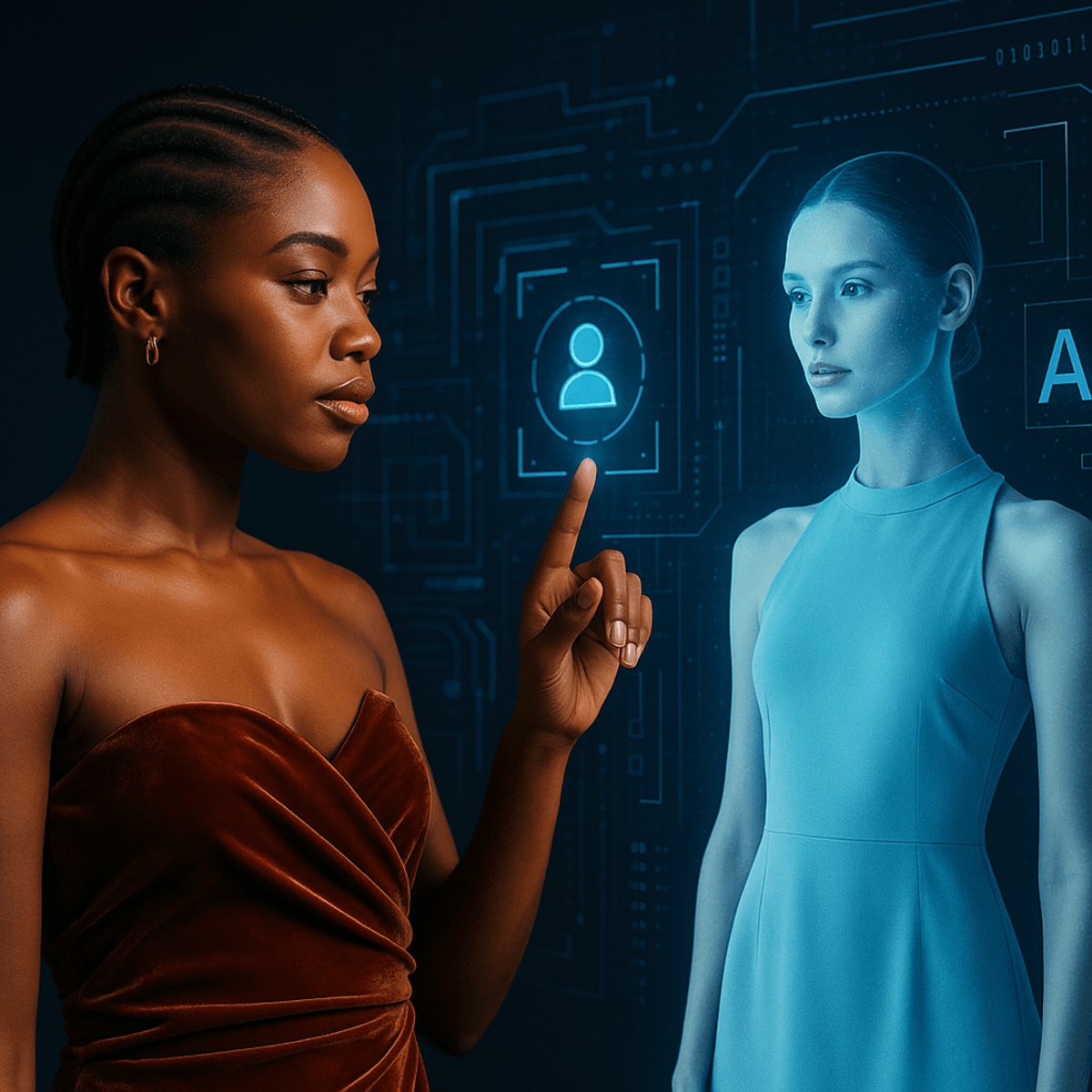
When Vogue featured an AI-generated model in its latest Guess ad, it ignited a debate about the role of artificial intelligence in fashion. This isn't just about aesthetics; the implications extend to job security, diversity, and ethical standards in the industry. Stakeholders from models to technologists are asking critical questions: as AI sets new standards of beauty and efficiency, what becomes of human creativity and opportunity?
Opening Analysis
Vogue's recent move to include an AI-generated model in a Guess ad marks a significant shift in the fashion industry. This development is more than a mere flirtation with technology; it's a step that could redefine industry standards and operations. While proponents hail this as a progressive leap towards inclusivity and efficiency, critics argue it poses serious ethical dilemmas and job threats, especially in an industry deeply rooted in human creativity and diversity.
Market Dynamics
Fashion brands like H&M and Levi's are already experimenting with AI models, opting for virtual avatars that significantly cut costs and time in marketing. The trend indicates a broader industry pivot where content creation no longer requires the logistical problems associated with human models. However, the backlash from diverse communities suggests a lack of genuine inclusivity, as the real individuals these AI models often replace are the ones benefitting the least.
Technical Innovation
AI innovations are transforming the fashion landscape. Advanced algorithms can now design lifelike models with precision, tailoring images that perfectly fit marketing needs. This automation allows brands to experiment with a variety of 'looks' without increasing costs significantly. Yet, the artistry once inherent to this industry faces dilution as automation starts dictating beauty standards.
Financial Analysis
For brands, the financial allure of AI models is undeniable. On platforms like TikTok, AI-generated ads have seen huge viewership and engagement despite mixed receptions. The scale of production cost reduction is significant, and smaller brands see AI as a levelling field to compete with giants. While models face potential job losses, some professionals see a silver lining in diversifying into roles supported by these technologies.
Strategic Outlook
The future of AI in fashion isn't merely speculative; it's flashing on the runway. While budget efficiency and innovative potential appeal to businesses, questions about what this means for cultural representation and job roles don't have simple answers. Moving forward, it's clear that discussions around regulation will intensify, especially in ensuring consent and fair compensation for digital likenesses of models.
In 3-6 months, expect more brands to actively pilot AI-focused ad campaigns, observing public reaction and adjusting strategies accordingly. Over 1-2 years, models and creatives who pivot effectively could find opportunities as brands require workers adept at managing AI interfaces.
Key Takeaways:
- AI's integration into fashion may reshape the industry's creative and economic landscape.
- Brands must address ethical issues surrounding automation and representation.
- Opportunities exist for those willing to adapt to AI's growing role in the industry.