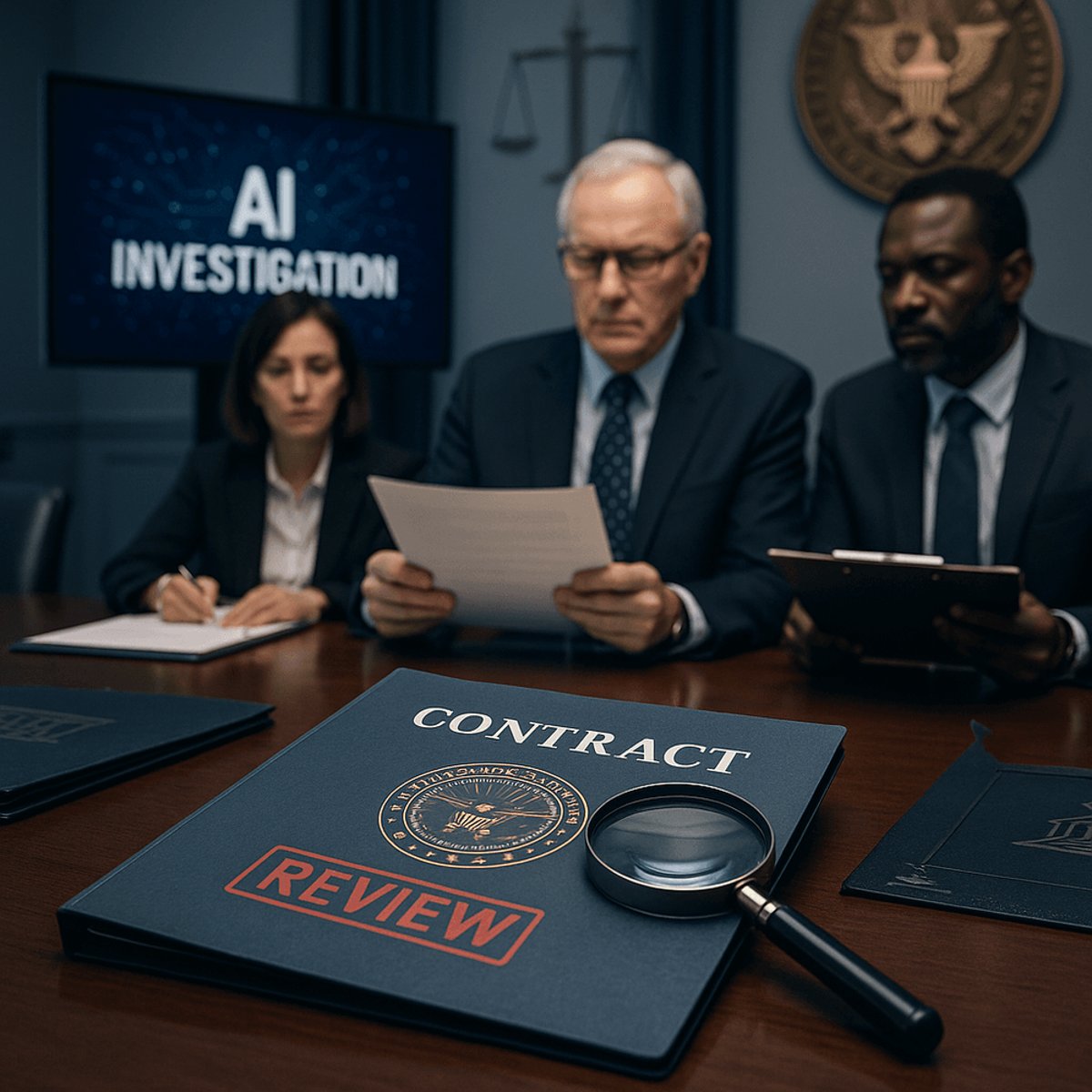
Sen. Elizabeth Warren is demanding answers from the Pentagon and OpenAI after the Department of Defense apparently blacklisted Anthropic from future contracts while advancing a deal with its rival. In letters sent to Defense Secretary Pete Hegseth and OpenAI CEO Sam Altman, the Massachusetts Democrat is pressing for details on what she calls a move that 'appears to be retaliation' against the AI safety-focused company.
The Pentagon's AI contracting process just landed under congressional scrutiny. Sen. Elizabeth Warren fired off letters to Defense Secretary Pete Hegseth and OpenAI CEO Sam Altman demanding explanations for why Anthropic, a leading AI safety company, appears to have been shut out of defense contracts while its competitor secures deeper ties with the military.
The timing raises eyebrows. According to Warren's correspondence, Anthropic's exclusion from DOD contractor lists emerged around the same period OpenAI was finalizing expanded agreements with defense agencies. The Massachusetts senator isn't mincing words, calling the move something that 'appears to be retaliation' in her letter to Hegseth.
What makes this particularly explosive is Anthropic's reputation. The company, founded by former OpenAI executives including siblings Dario and Daniela Amodei, has built its brand around responsible AI development and constitutional AI principles. If the DOD is blacklisting companies based on their cautious approach to military applications, it could fundamentally alter how AI firms position themselves for government work.
Warren's letters demand specifics: What criteria did the Pentagon use to evaluate AI contractors? When exactly was Anthropic removed from consideration? And what role, if any, did OpenAI play in shaping the DOD's vendor selection process? These aren't academic questions. Defense AI contracts represent billions in potential revenue as the military races to deploy machine learning across everything from logistics to threat detection.
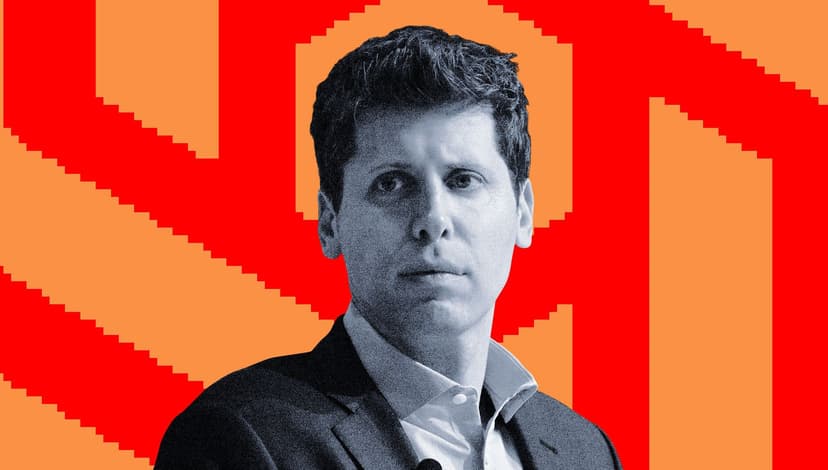
The OpenAI angle adds another layer of complexity. CEO Sam Altman has publicly stated the company would work with U.S. defense and intelligence agencies, a stance that put it at odds with Anthropic's more restrictive acceptable use policies. If the Pentagon is favoring vendors willing to embrace military applications without extensive ethical guardrails, it could create a race to the bottom among AI labs competing for government dollars.
This isn't Warren's first rodeo scrutinizing tech contracts. The senator has previously challenged cloud computing deals and questioned the revolving door between Silicon Valley and defense agencies. But the AI angle is different. Unlike software licenses or data storage, large language models can be adapted for everything from cyber operations to autonomous weapons systems. The stakes around who gets access to defense budgets are fundamentally higher.
Industry insiders are watching closely. One AI policy researcher, speaking on background, told reporters that 'if the DOD is essentially punishing companies for having stricter safety standards, that sends a chilling message about what the government values in its AI partners.' The comment captures the tension between moving fast on AI capabilities and maintaining ethical boundaries.
The Pentagon hasn't issued a formal response to Warren's inquiries yet. OpenAI similarly declined to comment on the specifics of its defense contracts or the Anthropic situation. That silence is notable given both organizations typically rush to shape narratives around controversial partnerships.
For Anthropic, the blacklisting could be financially significant but reputationally complex. Being shut out of defense work might actually strengthen its brand among researchers and customers wary of military AI applications. But it also raises questions about whether taking principled stances on AI safety creates business vulnerabilities when governments are writing checks.
Warren's deadline for responses hasn't been publicly disclosed, but congressional inquiries of this nature typically demand answers within 30 days. The letters represent the opening salvo in what could become a broader investigation into how the U.S. government is building its AI arsenal and whether contractor selection is being driven by capability assessments or other factors.
What happens next could set precedents for years. If Warren's inquiry reveals that the DOD explicitly favored OpenAI because of its willingness to embrace military use cases, expect other AI labs to recalibrate their acceptable use policies accordingly. If it turns out Anthropic was excluded for technical reasons unrelated to its safety stance, that's a different story but still raises questions about transparency in the evaluation process.
Warren's inquiry arrives at a pivotal moment for AI governance. As defense agencies worldwide pour resources into machine learning capabilities, the rules around who gets to build those systems and under what ethical frameworks matter enormously. Whether this turns into a full investigation or quietly gets resolved behind closed doors will signal how seriously Congress takes oversight of the military-AI complex. For now, Anthropic, OpenAI, and the Pentagon are all on notice that their contractor relationships are under the microscope, and the answers Warren gets could reshape how AI companies approach government work for the next decade.