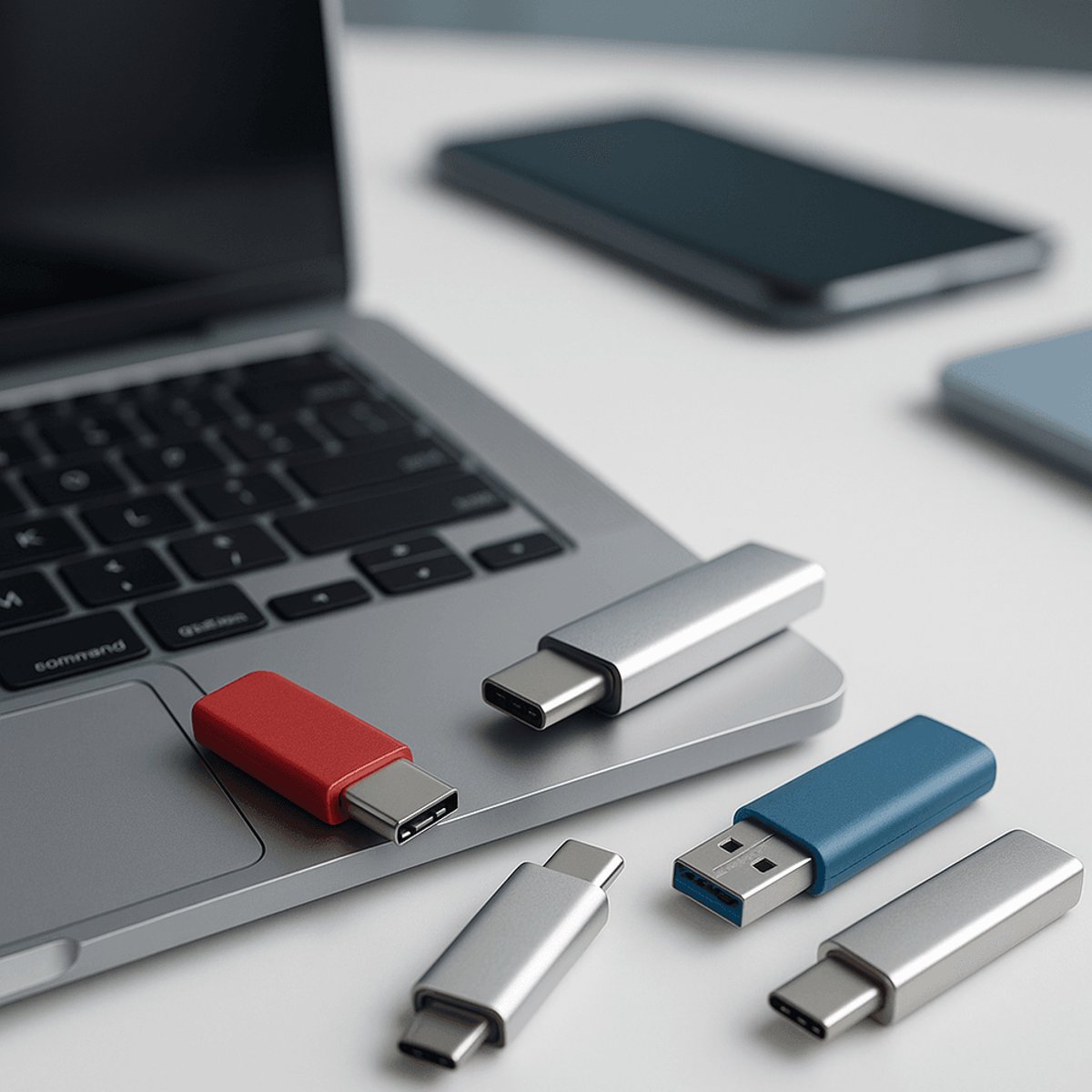
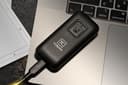
While cloud storage dominates, USB flash drives remain essential tools for professionals needing reliable, portable data transfer. Wired's comprehensive 2025 roundup tests 14 drives across speed, durability, and value categories, revealing the SanDisk Extreme Pro as the standout performer for most users.
USB flash drives might seem like relics in our cloud-first world, but Wired's latest comprehensive testing reveals these pocket-sized workhorses remain indispensable for professionals who need instant, reliable file transfers.
The publication's 2025 roundup puts 14 drives through rigorous testing using USB Flash Benchmark and CrystalDiskMark, while also evaluating real-world performance across different devices from phones to gaming consoles. The results showcase dramatic differences in speed, build quality, and value across the market.
SanDisk's Extreme Pro emerges as the clear winner for most users, delivering advertised speeds of 420 MB/s read and 380 MB/s write in a durable aluminum housing with lifetime warranty. The drive's one-handed operation and keyring loop make it practical for daily use, while its three-year track record in testing proves its reliability.
For users prioritizing raw speed, Kingston's DataTraveler Max dominates the USB-C category with record-breaking 1,000 MB/s read and 900 MB/s write speeds. The drive transferred an entire phone camera folder so quickly that Wired's tester initially feared it had malfunctioned. Its lightweight plastic construction includes a ridged top for easy handling and keyring attachment.
The budget segment reveals interesting value propositions. Verbatim's Pinstripe at $19 offers solid everyday performance for non-critical tasks, while Amazon's Basics Drive at $15 provides basic functionality with surprisingly decent speeds that often exceed its modest specifications.
Security-conscious users get a compelling option in Kingston's IronKey Vault Privacy 50, featuring FIPS 197 certification and 256-bit AES-XTS encryption. The drive automatically wipes itself after 10 wrong password attempts and includes virtual keyboard protection against keyloggers – though it carries a premium price tag.
The testing reveals concerning performance gaps in the budget tier. While premium drives consistently hit advertised speeds, cheaper alternatives show significant variability, especially with smaller files. Write speeds particularly suffer on budget models, making them unsuitable for heavy data transfer tasks.
Form factor innovations continue evolving the category. OWC's Envoy Pro Mini offers both USB-A and USB-C connectors in a machined aluminum body that doubles as a fidget toy, while PNY's Duo Link provides similar dual connectivity in a more compact metal construction.
Smartphone compatibility remains a key consideration. Most Android devices support USB OTG for direct drive access, but iPhone users need specialized drives like SanDisk's iXpand Luxe with Lightning connectivity and companion apps for full functionality.
The durability testing showcases extremes from Corsair's military-grade Survivor Stealth – waterproof to 200 meters with shock resistance – to ultra-compact nano drives that risk getting lost in your pocket.
Speed testing methodology reveals important nuances. While manufacturers advertise peak theoretical speeds, real-world performance varies dramatically based on file size, USB port generation, and drive capacity. Larger files transfer much faster than collections of small files across all drives tested.
Storage capacities now routinely reach 1-2TB in flash drive form factors, with some models incorporating full M.2 SSDs. However, these high-capacity drives often require specific USB 3.2 Gen 2 ports to achieve advertised speeds, limiting their practical performance on older systems.
The market's maturation shows in warranty offerings, with premium manufacturers now providing lifetime coverage on flagship models. This reflects improved NAND flash reliability and growing confidence in long-term durability.
Compatibility testing across devices reveals persistent challenges. While most drives work universally, optimal performance requires matching USB standards between drive and host device. Legacy USB 2.0 ports severely bottleneck even budget drives designed for USB 3.0 speeds.
Despite cloud storage's dominance, USB flash drives remain essential tools for professionals requiring instant, reliable data transfer. Wired's comprehensive testing reveals significant quality differences across price points, with the SanDisk Extreme Pro offering the best balance of speed, durability, and value for most users. As storage capacities continue growing and speeds increase, these pocket-sized devices prove their continued relevance in our digital workflows.