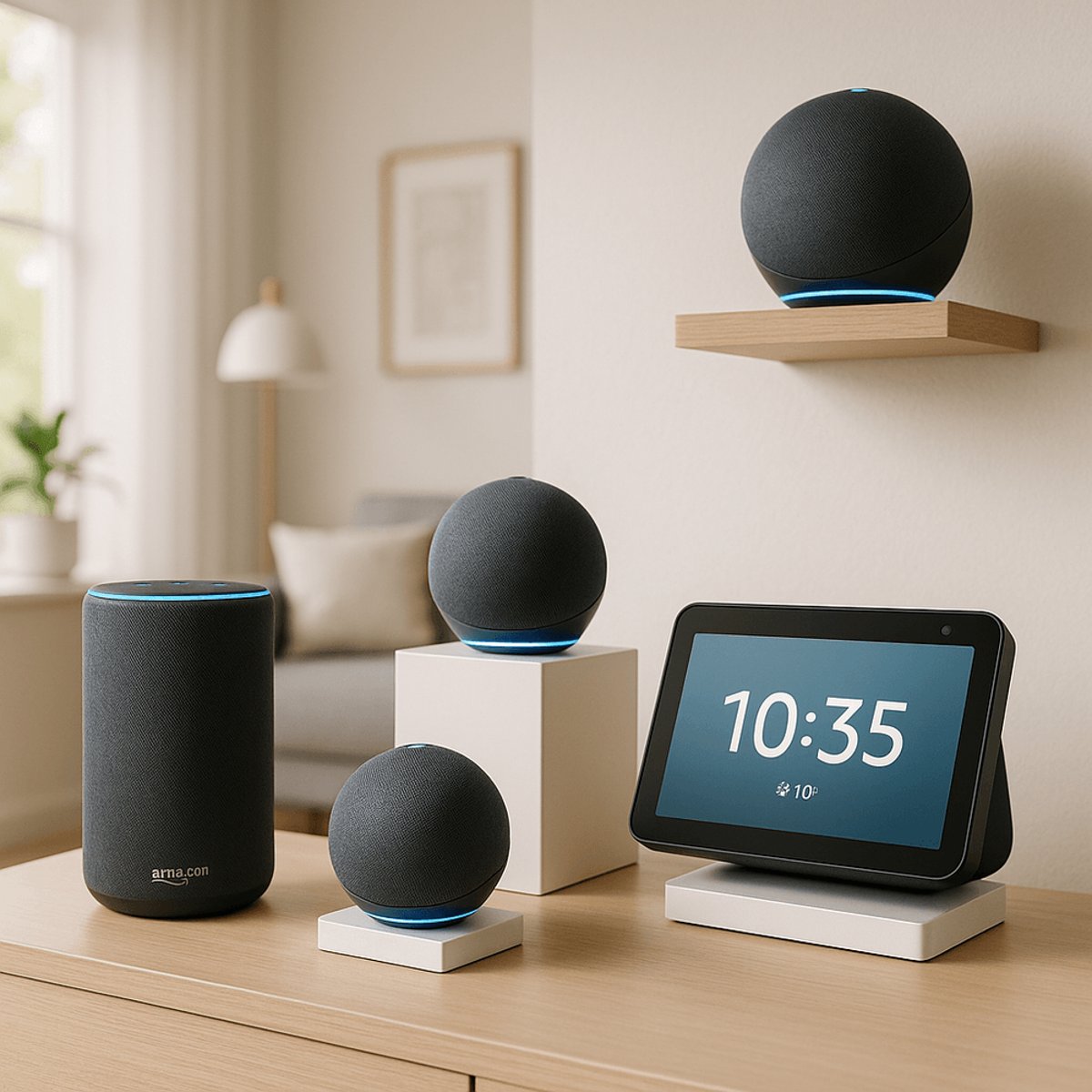
WIRED just updated their comprehensive Alexa speaker buying guide, testing eight devices as Amazon launches new Echo hardware and rolls out Alexa+. The guide highlights how the smart speaker landscape is shifting with Amazon's AI-powered assistant upgrade and premium pricing changes coming to the ecosystem.
WIRED released a comprehensive update to their Alexa speaker buying guide, testing eight different devices as the smart speaker market undergoes significant changes. The guide comes at a crucial time as Amazon transforms its voice assistant ecosystem with new hardware and its AI-powered Alexa+ service.
The publication's top pick remains the Amazon Echo (4th Gen), praised for its balance of sound quality, smart home features, and value at around $100. But WIRED also highlights compelling alternatives like the Sonos Beam (Gen 2) for users wanting premium soundbar functionality with Alexa integration.
What makes this update particularly timely is Amazon's hardware refresh. The company just announced four new Echo devices: the Echo Dot Max ($100), third-generation Echo Studio ($220), fourth-generation Echo Show 8 ($180), and Echo Show 11 ($220). All promise improved sound quality and come with Alexa+ access built in.
The guide reveals how Amazon's privacy policies have shifted dramatically. The company eliminated its "Do Not Send Voice Recordings" feature in March 2025, meaning all voice requests now get processed through Amazon's cloud instead of locally on devices. This change supports the new Alexa+ features but represents a significant privacy shift for users who previously opted for local processing.
Alexa+ itself remains in early access through a waitlist system, with no timeline for general availability. The AI-powered assistant will cost $20 monthly after the beta period, though Amazon Prime members get it included. WIRED testing found Alexa+ delivers more conversational responses and better question handling, but noted the premium pricing represents a major change from the previously free service.
For third-party options, WIRED recommends the Sonos Era 100 for users wanting superior sound quality, though it costs significantly more than Amazon's native devices. The guide notes these speakers may not integrate as seamlessly as Amazon's own hardware but offer advantages like multi-room audio and compatibility with other voice assistants.
The publication also covers discontinued or hard-to-find options, noting supply chain issues affecting several Echo models. The Echo Studio has been frequently out of stock, while the Echo Sub appears to be phasing out from Amazon's direct sales.
Interestingly, WIRED addresses the growing complexity around Echo Show displays, explaining how to disable the advertising and promotional content that clutters these devices by default. Users can toggle off dozens of content categories in the Home Content settings to create a cleaner experience.
The guide includes detailed comparison charts covering speaker arrays, audio compatibility, screen specifications, and unique features across all tested models. This data helps users understand the technical differences between the Echo Dot's single 1.73-inch speaker versus the Echo's more robust 3-inch woofer and dual tweeters.
For budget-conscious buyers, WIRED suggests waiting for major sales events like Black Friday or Prime Day, when Echo devices commonly see 50% discounts. The publication notes these sales represent the best opportunity to enter Amazon's ecosystem at lower cost.
WIRED's updated guide captures a smart speaker market in transition, with Amazon pushing toward premium AI features while maintaining accessible hardware options. The shift to cloud-only processing and paid AI assistance represents the biggest change to Amazon's voice ecosystem since Alexa launched, making this buying guide particularly valuable for consumers navigating these changes.