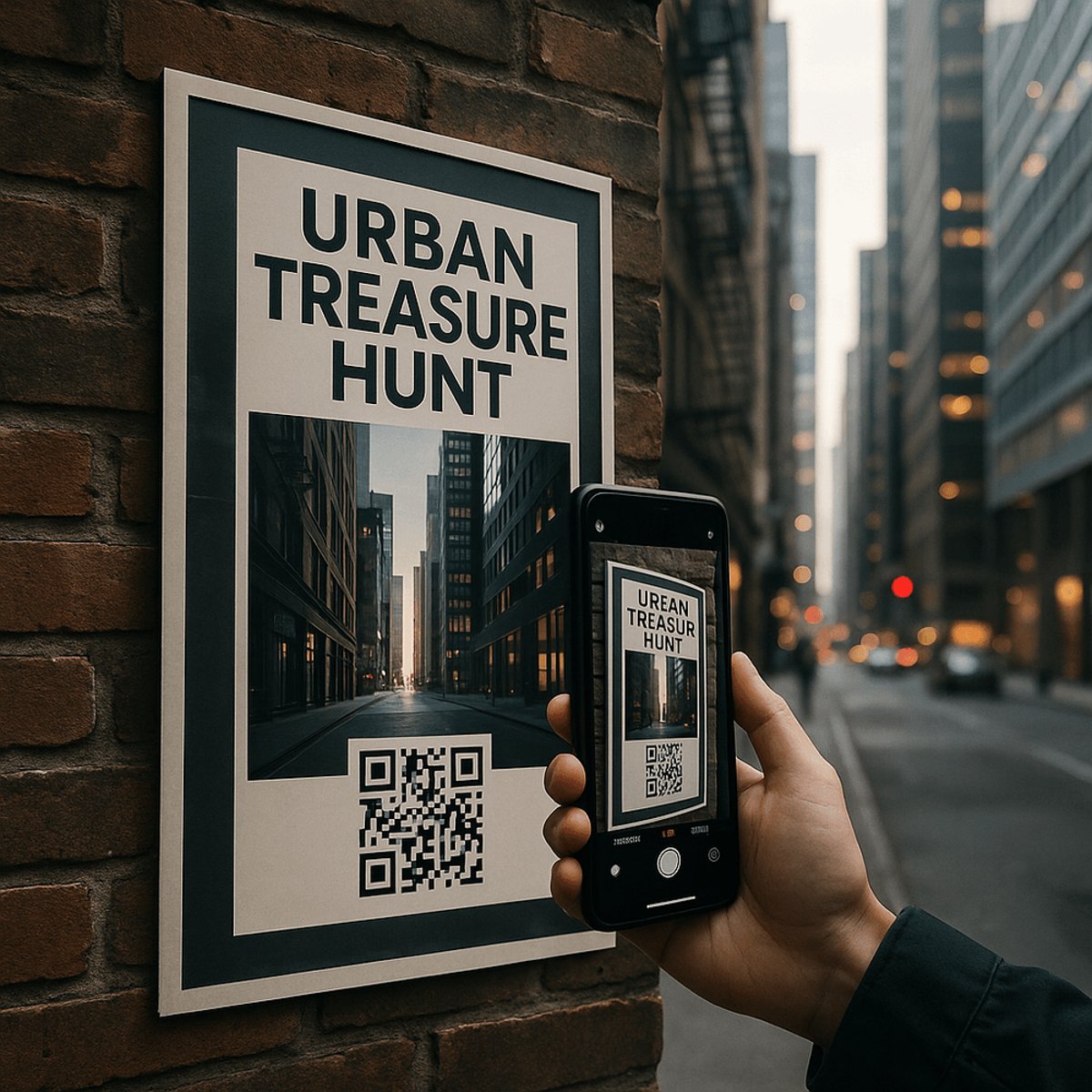
WIRED is taking its latest politics issue beyond digital screens and into the real world. The tech publication launched a treasure hunt across five major cities, placing its new cover as street art, billboards, and murals from New York to San Francisco. It's a bold departure from traditional magazine promotion that turns readers into urban explorers.
WIRED just turned magazine marketing inside out. Instead of confining their latest politics issue to newsstands and social media posts, the tech publication took to the streets with what they're calling a 'treasure hunt' across five major American cities.
The campaign launched quietly over the past few days, with WIRED's distinctive cover art appearing as wheatpasted posters, digital billboards, and even a mural installation. Cities targeted include New York, Los Angeles, San Francisco, Austin, and Washington DC - strategic picks that align with both tech industry hubs and political power centers.
But here's where it gets interesting: WIRED isn't telling anyone exactly where to find these installations. 'We're not going to tell you exactly where the cover is displayed. Where's the fun in that?' writes Angela Watercutter in the announcement piece. The magazine is betting that mystery will drive more engagement than traditional advertising.
The street art isn't just decoration - it's functional. Each installation includes QR codes that link directly to the magazine's political coverage. Readers who scan can access Steven Levy's deeply reported investigation into Silicon Valley's political transformation and WIRED's analysis of Elon Musk's growing geopolitical influence through SpaceX and Starlink.
This represents a significant shift for WIRED, which typically sticks to digital-first promotion strategies. The decision to go physical comes as traditional media companies struggle to break through increasingly crowded social media algorithms and subscription fatigue. By creating Instagram-worthy moments in public spaces, WIRED is essentially turning readers into content creators and brand ambassadors.
The timing isn't coincidental. With tech's relationship with politics becoming increasingly complex - from AI regulation battles to content moderation debates - WIRED is positioning itself as the publication that doesn't just cover these stories but lives them. The street campaign mirrors the magazine's editorial stance: tech journalism that exists in the real world, not just online echo chambers.
Early social media responses suggest the strategy is working. Users are already posting photos and speculation about locations on Instagram and TikTok, creating organic buzz that traditional advertising couldn't buy. The treasure hunt mechanic taps into the same psychology that made Pokemon Go and geocaching popular - humans love finding hidden things.
For context, this isn't the first time a tech publication has experimented with physical marketing. TechCrunch has sponsored billboards during major conferences, and The Verge has created popup experiences. But WIRED's approach feels more guerrilla, more authentic to internet culture.
The campaign also reflects broader media industry trends. As digital advertising costs soar and attention spans fragment, publishers are rediscovering the power of physical presence. Street art marketing has proven particularly effective for reaching younger demographics who've grown skeptical of traditional advertising.
What's clever about WIRED's execution is how they're measuring success. Rather than relying solely on circulation numbers or click-through rates, they're tracking social media mentions, photo submissions, and real-world engagement. It's a more holistic approach to audience development that treats readers as participants rather than passive consumers.
WIRED's street art treasure hunt represents something bigger than clever marketing - it's a recognition that in our digital-saturated world, physical experiences still matter. By turning magazine promotion into urban exploration, they're not just selling subscriptions but building community. Whether other tech publications follow suit will depend on how successfully this campaign drives both social engagement and actual readership. But for now, WIRED has reminded us that sometimes the best way to reach people online is to meet them offline first.