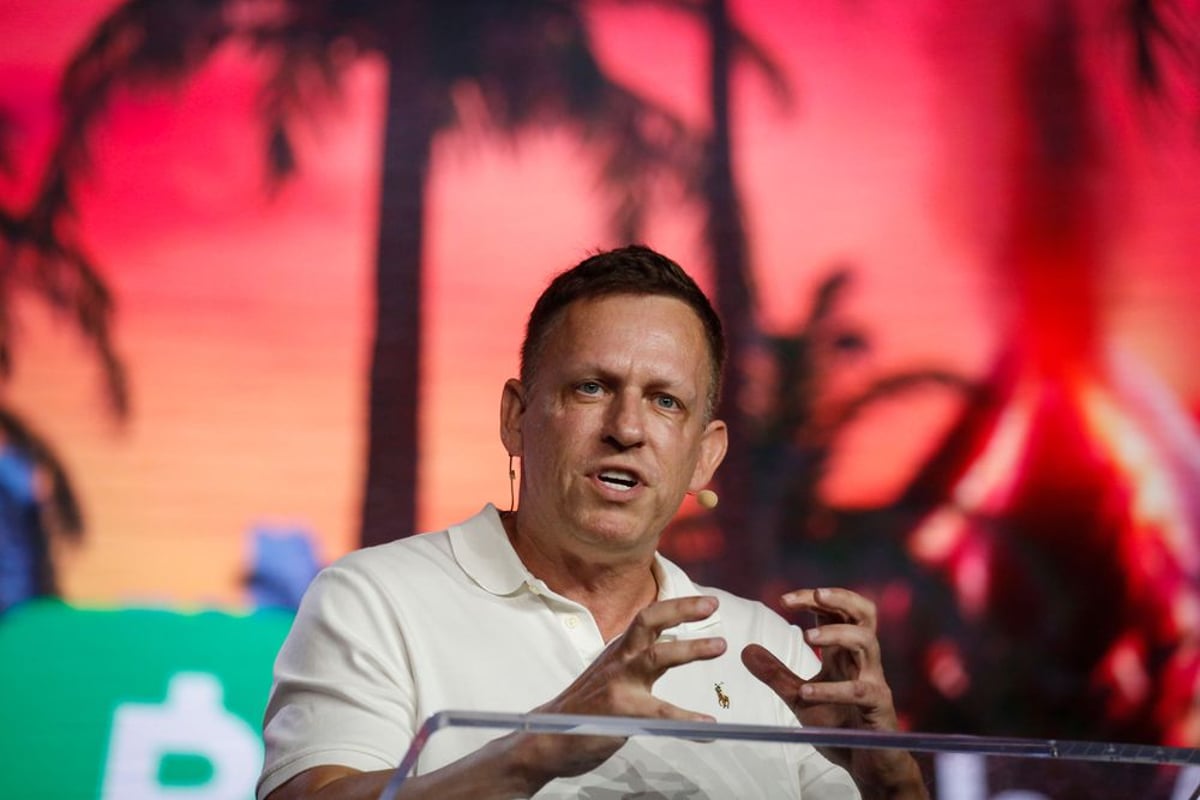
In a series of San Francisco lectures that sound more like Silicon Valley fever dreams than venture capital strategy, Palantir co-founder Peter Thiel has declared that government regulation of AI and emerging technologies would literally herald the biblical Antichrist. The tech billionaire's eschatological argument against tech oversight comes as Washington weighs stricter AI safety measures.
The tech world's most unusual regulatory argument just dropped in San Francisco, and it involves the Book of Revelation. Peter Thiel, the billionaire co-founder of Palantir and early Facebook investor, has been delivering a four-part lecture series arguing that government regulation of artificial intelligence would literally usher in the biblical Antichrist.
The timing isn't coincidental. As Congress debates AI safety legislation and the Biden administration pushes for stricter oversight of emerging technologies, Thiel's chosen this moment to frame regulatory discussions in apocalyptic terms. According to The Wall Street Journal's coverage of his talks at the Acts 17 Collective, Thiel warns that existential risks from nuclear war, bioweapons, and autonomous AI will create demand for a "one-world government" promising peace and safety.
"This is sort of where my speculative thesis is, that if the Antichrist were to come to power, it would be by talking about Armageddon all the time," Thiel explained in a Hoover Institution podcast last December, laying groundwork for these lectures. "The slogan of the Antichrist is peace and safety."
The argument follows a peculiar logic: emerging technologies like AI pose existential threats, which will create public demand for regulation, which will enable authoritarian control, which fulfills biblical prophecy about the end times. It's venture capital meets Christian eschatology meets libertarian political theory.
What makes this particularly striking is Thiel's massive financial exposure to the very technologies he's defending. Beyond Palantir's government contracts worth billions, Thiel's Founders Fund has invested heavily in AI startups and defense tech companies. His lecture series essentially argues that regulating his portfolio would bring about the apocalypse.
The lectures, hosted by Acts 17 Collective - a nonprofit run by a Thiel associate targeting "tech founders, producers, designers, and creatives" - represent a fascinating evolution in Silicon Valley's anti-regulation messaging. Instead of traditional economic arguments about innovation and competition, Thiel's deploying theological warfare.
This isn't just abstract philosophy. Thiel has been a major political and financial backer of both Donald Trump and J.D. Vance, who worked at Thiel's venture firm before entering politics. With Vance now serving as Vice President, Thiel's influence on tech policy discussions carries real weight in Washington.
The lectures reportedly weave together Renaissance art, Japanese manga, and biblical prophecy to argue that "fearing or regulating artificial intelligence or other technologies, or opposing technological progress, would hasten the coming of the Antichrist." It's a remarkable rhetorical strategy: framing any AI oversight as literally satanic.
But Thiel's argument reveals something deeper about Silicon Valley's relationship with regulation. The tech industry has long positioned itself as humanity's salvation through innovation. Now one of its most influential voices is suggesting that questioning that salvation is demonic.
The practical implications are significant. As lawmakers grapple with AI safety measures, algorithmic transparency requirements, and data protection rules, Thiel's theological framing could influence how tech leaders and policymakers approach these discussions. When regulation gets cast in biblical terms, compromise becomes much harder.
What's particularly clever about Thiel's approach is how it transforms Silicon Valley libertarianism into religious doctrine. The traditional tech argument - that regulation stifles innovation and progress - now becomes a matter of spiritual warfare against evil itself.
Thiel's lectures represent more than eccentric billionaire theology - they're a preview of how tech leaders might frame regulatory battles going forward. By casting AI oversight in apocalyptic terms, he's created a narrative that makes any compromise with regulators seem like collaboration with evil itself. Whether this resonates beyond Silicon Valley's echo chamber remains to be seen, but it certainly raises the stakes for what should be pragmatic policy discussions about emerging technology risks and safeguards.