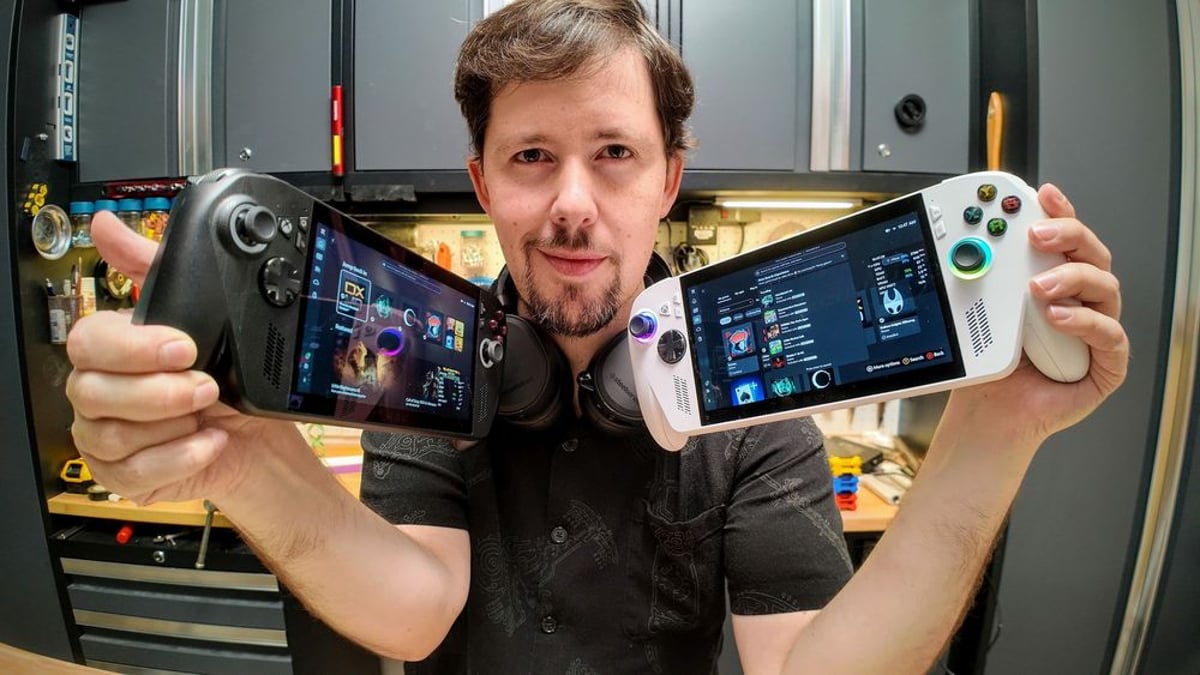
The Verge's Sean Hollister just wrapped up an exclusive subscriber Q&A session about his hands-on review of Microsoft's Xbox Ally and Xbox Ally X handhelds. The gaming PC expert, who's been covering portable devices since the Steam Deck explosion in 2022, fielded burning questions about what could be gaming's next big shift in the handheld space.
The handheld gaming PC market just got a lot more interesting, and The Verge subscribers had front-row seats to dissect it. Sean Hollister, the publication's go-to handheld reviewer since the Steam Deck changed everything in 2022, just finished an exclusive AMA session about his week testing Microsoft's Xbox Ally and Xbox Ally X devices.
This isn't just another hardware launch - it's Microsoft's first serious play in the handheld space, built through a partnership with Asus. The timing feels deliberate. While Valve dominates with Steam Deck and competitors like the ROG Ally scramble for market share, Microsoft's betting that Xbox branding and ecosystem integration can carve out a meaningful slice.
Hollister's approach to the AMA reflects how tech journalism is evolving. Instead of traditional review formats, The Verge is experimenting with direct subscriber engagement. "You subscribers are the ones paying to let me keep this awesome job, so it felt only fair," Hollister noted, acknowledging the shift toward reader-supported journalism in tech media.
The handheld gaming PC market has exploded since 2022, when the Steam Deck proved portable PC gaming could work beyond laptops. Now every major player wants in. Asus has the ROG Ally, Lenovo launched the Legion Go, and even smaller players like Ayaneo are pushing boundaries. But Microsoft's entry changes the competitive dynamics entirely.
What makes the Xbox Ally different isn't just hardware specs - it's ecosystem integration. While Steam Deck users often wrestle with Windows compatibility and other handhelds feel like jury-rigged PCs, Microsoft's approach promises native Xbox experience on portable hardware. Game Pass, cloud streaming, and seamless console-to-handheld transitions could be the killer features that justify another device in gamers' collections.
The subscriber Q&A format also signals something bigger about tech journalism. Traditional embargo cycles and review schedules don't always capture what readers actually want to know. Direct engagement lets reviewers address real concerns - battery life during specific games, controller comfort during long sessions, or whether the device actually fits in a backpack comfortably.
Hollister's been covering this space since before it was cool, tracking the evolution from experimental devices to mainstream alternatives. His perspective carries weight because he's tested everything from the original Steam Deck developer kits to the latest ROG Ally iterations. When he talks about Microsoft's first Xbox handheld, the gaming community listens.
The timing of this launch also matters for Microsoft's broader gaming strategy. With Xbox hardware sales trailing PlayStation and Nintendo, handhelds represent a way to expand the Xbox ecosystem without directly competing in the console wars. It's about services and subscriptions, not just hardware sales.
For Asus, the partnership brings Xbox branding to their growing handheld ambitions. They've already proven they can build competitive hardware with the ROG Ally line. Microsoft's ecosystem and marketing muscle could help them challenge Valve's Steam Deck dominance more effectively than going solo.
The Xbox Ally represents Microsoft's calculated bet on the handheld future, but success will depend on execution and ecosystem integration rather than hardware specs alone. Hollister's subscriber-focused Q&A format also hints at how tech journalism might evolve - prioritizing direct reader engagement over traditional review cycles. As the handheld gaming market matures, expect more experimentation in both hardware and how we talk about it.