The autonomous vehicle industry is hitting the gas pedal hard this week. Waymo started testing in Philadelphia while Uber and Avride launched robotaxi service in Dallas, but federal regulators are asking tough questions about safety incidents including illegal school bus passes and a tragic cat fatality that's sparking new controversy.
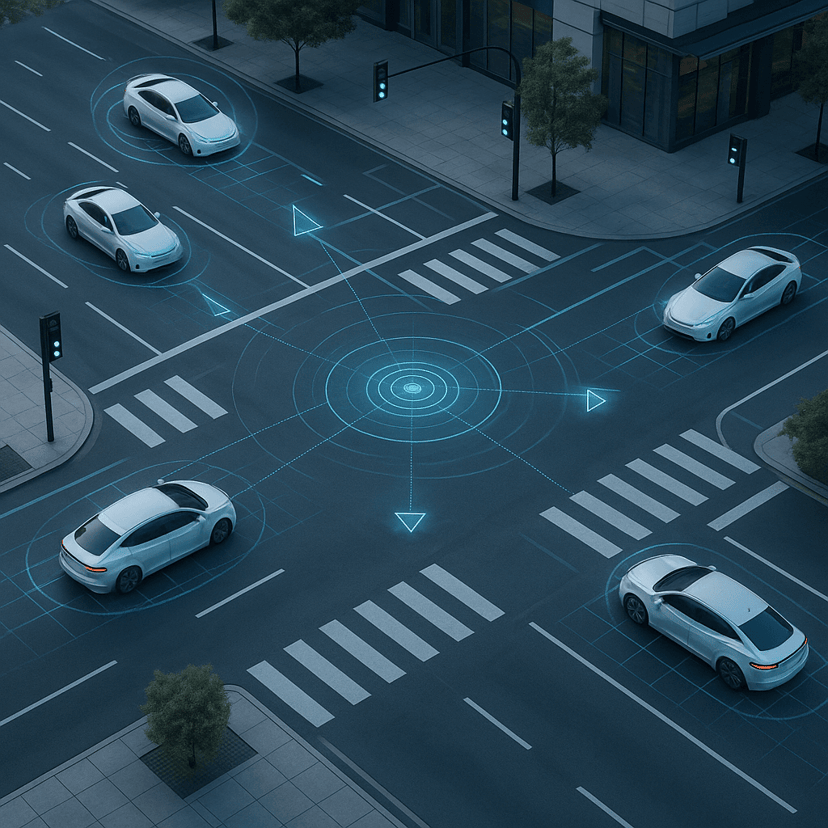
Waymo just shifted into high gear with its autonomous vehicle expansion, but the accelerating rollout is hitting some serious speed bumps. The Alphabet subsidiary started testing its self-driving cars in Philadelphia this week, marking another major East Coast push for the robotaxi leader. The company's also collecting manual driving data in Baltimore, St. Louis, and Pittsburgh - a clear signal that more cities are coming online soon.
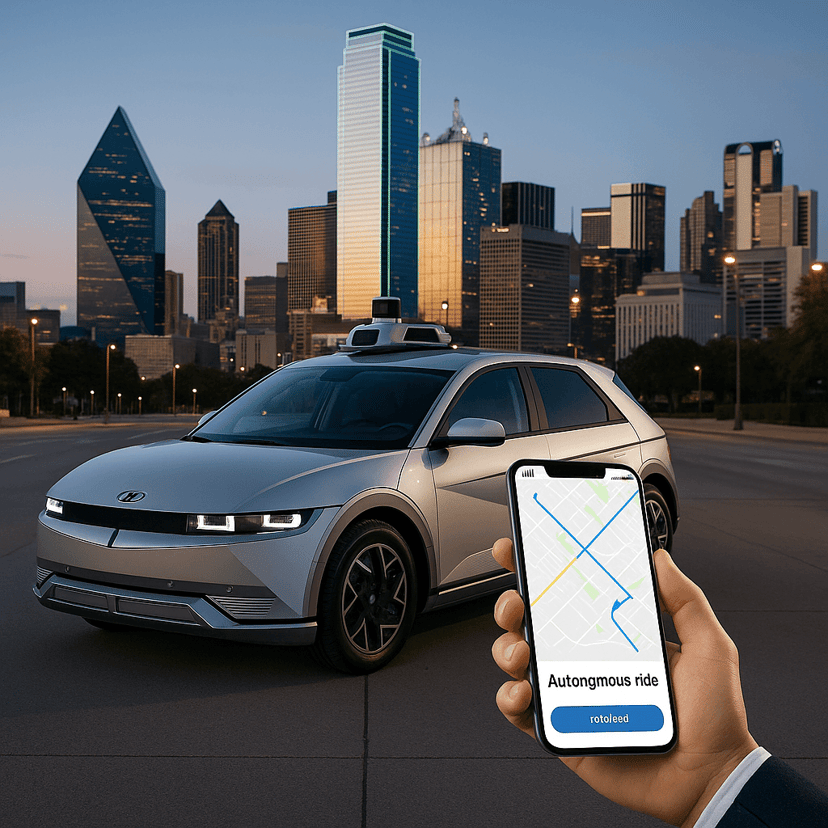
Meanwhile, Uber and Russian startup Avride launched their own robotaxi service in Dallas, though these rides still include human safety operators behind the wheel. It's the latest sign that the autonomous vehicle industry is racing to establish footholds in major metropolitan areas before competitors can lock up territory.
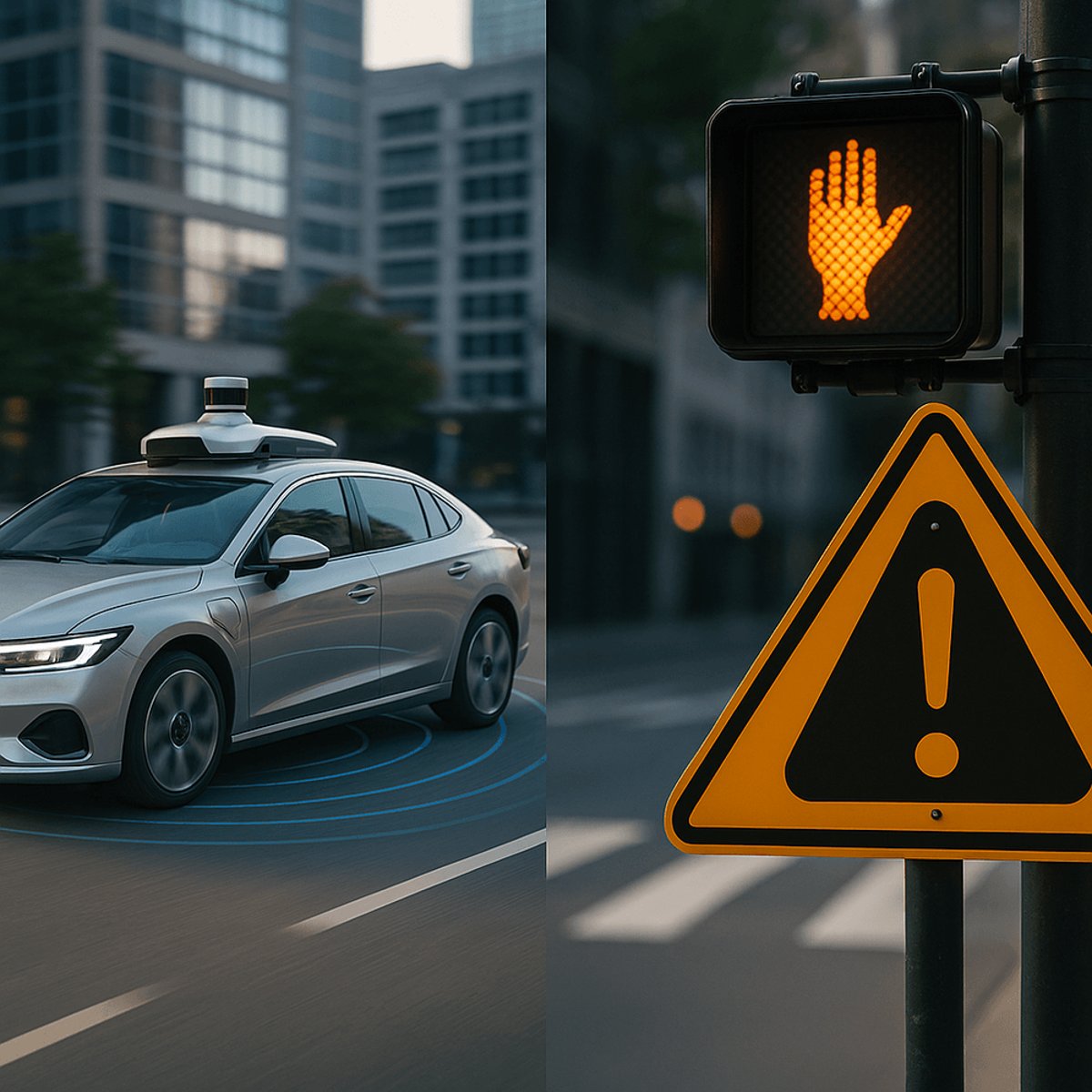
But this breakneck expansion is drawing scrutiny from federal safety regulators. The National Highway Traffic Safety Administration just demanded more information from Waymo about its self-driving system after the Austin School District reported that robotaxis illegally passed school buses 19 times this year. The agency already had an open investigation into Waymo's performance around school buses, and these new incidents aren't helping the company's case.
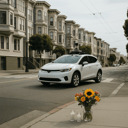
The pressure intensified this week when The New York Times tracked down surveillance footage of the October 27 incident where a Waymo robotaxi killed KitKat, a beloved bodega cat in San Francisco. The video shows a woman crouching beside the vehicle trying to lure the cat to safety before the Waymo suddenly drove away, running over KitKat. The footage adds a disturbing visual element to what was already a public relations nightmare for the company.
These incidents highlight the complex challenges autonomous vehicle companies face as they scale from controlled testing environments to real-world city streets filled with unpredictable scenarios. School buses with flashing stop signs and small animals darting into traffic represent exactly the kind of edge cases that human drivers handle instinctively but that AI systems struggle to navigate safely.
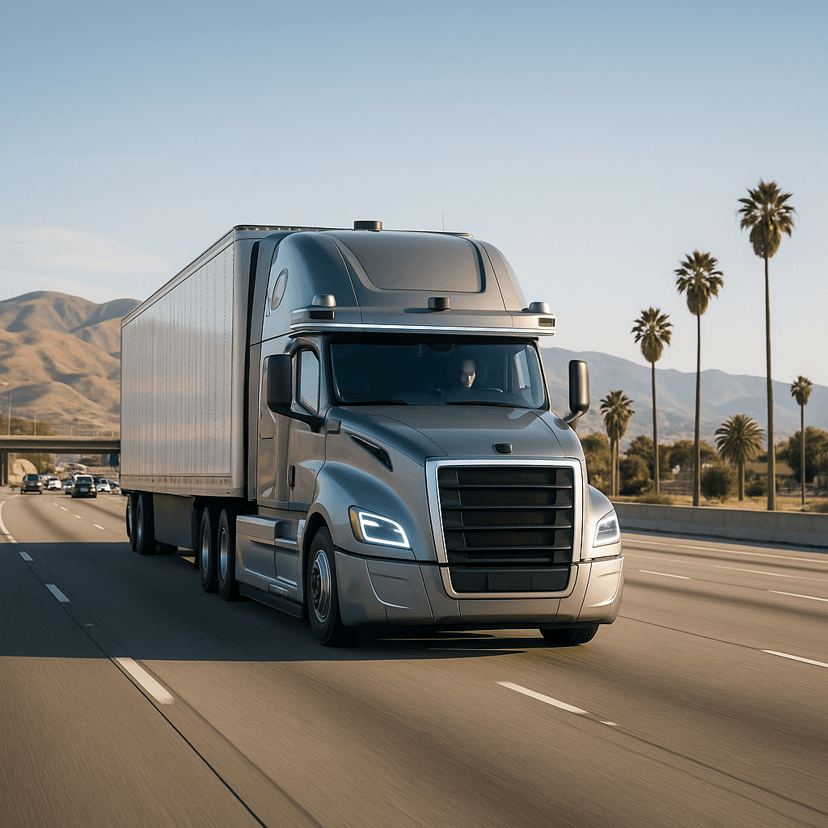
The regulatory environment is also shifting. California's Department of Motor Vehicles released revised rules allowing companies to test and eventually deploy self-driving trucks on public highways statewide. It's a significant development for companies like Tesla, which has been promising autonomous trucking capabilities, and Nvidia, which supplies the AI chips powering many self-driving systems.
Speaking of Tesla, the company made headlines for a different reason this week. Owners can now text and drive using the latest version of Tesla's Full Self-Driving software, even though texting while driving remains illegal in most states. The feature underscores the legal gray areas emerging as driver assistance technology becomes more sophisticated.
Elsewhere in the industry, Lucid Motors continues experiencing executive churn as it ramps up production of its Gravity SUV. Sources tell us the company recently let go several top managers from its software and electrical teams, including two senior directors who'd been with Lucid for about a decade. The departures follow the exits of former CEO Peter Rawlinson and chief designer Eric Bach.
The funding environment remains robust despite these challenges. UK startup Wayve, backed by Microsoft, Nvidia, and SoftBank, acquired German data analysis firm Quality Match to strengthen its AI training capabilities. Beta Technologies, the electric aircraft maker that went public last month, secured a potential $1 billion, 10-year deal to supply electric motors to air taxi company Eve Air Mobility.
But perhaps the most telling indicator of where the industry stands came from a TechCrunch Mobility newsletter poll. When asked when robotaxis will reach mass adoption, 47% of readers picked "before the end of the decade," while only a small fraction expect 2026 to be the tipping point. The results suggest industry insiders see autonomous vehicles as inevitable but still several years away from truly disrupting urban transportation.
The autonomous vehicle industry is clearly accelerating, with major players like Waymo and Uber expanding to new cities almost weekly. But the recent safety incidents and regulatory scrutiny show that moving fast and breaking things isn't an option when lives are at stake. As these companies race to establish market dominance, they'll need to prove their technology can handle the messy, unpredictable reality of city streets - from school buses to bodega cats. The next few months will be crucial in determining whether public trust can keep pace with technological ambition.