Yelp just changed the game for restaurant phone calls. The company launched two AI agents - Host for restaurants and Receptionist for broader businesses - that can handle reservations, answer questions, and manage customer interactions 24/7. Starting at $99 monthly, these voice AI tools promise to solve the staffing crisis plaguing the service industry.
Yelp is betting big that AI can solve restaurants' biggest headache - managing phone calls when you're already stretched thin. The platform just launched two voice AI agents that promise to handle everything from dinner reservations to lead qualification, marking a significant push into enterprise AI services.
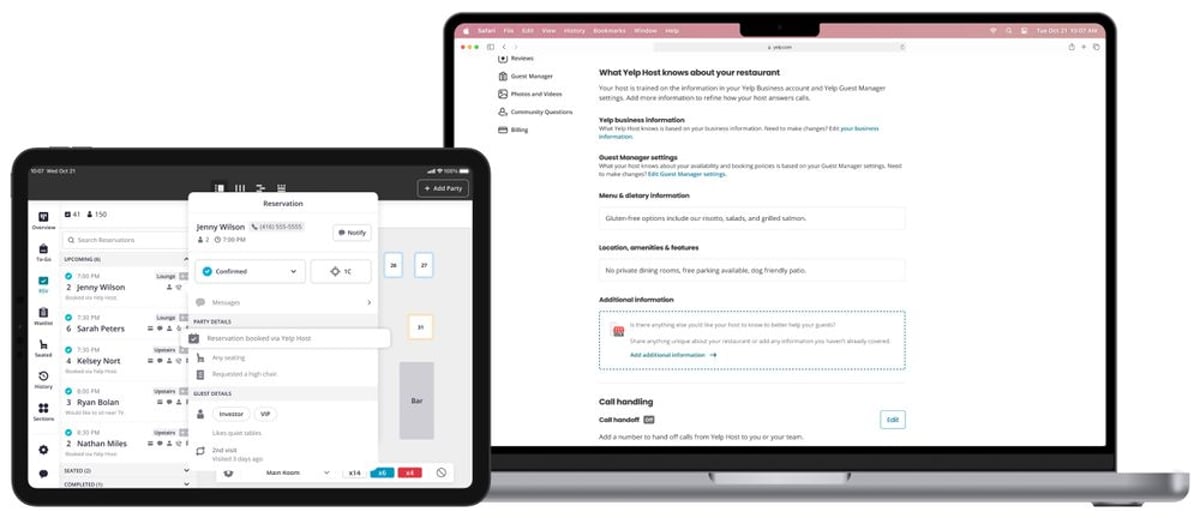
Host, the restaurant-focused tool, goes live this week with impressive capabilities. The AI can take reservations over the phone, modify existing bookings, provide real-time wait times, and even capture those tricky special requests like "table by the window for our anniversary." But it goes deeper - Host answers detailed questions about restaurant policies, from vegan options to pet-friendly dining, then follows up with automated texts containing menu links or pickup order options.
The pricing reflects Yelp's enterprise ambitions: Host costs $149 monthly for new customers, dropping to $99 for existing Yelp Guest Manager subscribers. That's positioned as a bargain compared to hiring human phone staff, especially for restaurants struggling with labor shortages and high turnover.
Yelp first previewed Host back in April, but the full launch comes with enhanced features. The company promises Host will integrate directly with Yelp Waitlist "in the coming weeks," creating a seamless flow from phone call to table management.
Receptionist, the broader business tool, launches alongside Host with similar voice capabilities but different targeting. This AI handles general business inquiries, vets sales leads, provides quotes, and schedules appointments across various service industries. Starting at $99 monthly, Receptionist initially serves "eligible" businesses before expanding to wider availability.
Both tools leverage Yelp's massive business data advantage. They come "pre-trained" on restaurant information, business hours, and service details, meaning no lengthy setup period. According to Yelp, the agents work "out-of-the-box" for 24/7 coverage or as backup during peak times.
This launch sits within a much larger AI strategy from Yelp. The company simultaneously expanded its AI chatbot assistant to all platforms and Canada, introduced visual menu scanning that surfaces photos and reviews when you point your phone at menus, and added voice search capabilities. These join existing AI features that stitch user content into video reviews, summarize customer feedback, and match users with local service professionals.
The voice AI push reflects broader industry dynamics. DoorDash has been testing AI voice ordering for takeout, while the hospitality sector increasingly views AI as essential for focusing human staff on in-person service rather than phone management.
But here's where it gets interesting - Google is simultaneously developing AI tools that make calls on behalf of customers, creating potential scenarios where AI agents talk to other AI agents. That future might arrive sooner than expected as both sides of the service equation automate.
For Yelp, these voice agents represent a strategic shift toward higher-margin enterprise services. Rather than just connecting diners with restaurants, the company now wants to power the actual business operations. It's a much stickier revenue model - restaurants might switch review platforms, but they won't easily replace critical phone infrastructure.
The timing aligns with persistent service industry labor challenges. Even as the broader economy stabilized, restaurants continue struggling with phone coverage, especially during busy periods or off-hours. AI agents that never call in sick or quit suddenly offer compelling value propositions for operators managing thin margins.
Yelp's voice AI launch signals a fundamental shift in how service businesses handle customer interactions. While the technology promises immediate relief for understaffed restaurants, the real story is Yelp's evolution from review platform to essential business infrastructure. As AI agents become the norm for both businesses and customers, we're entering an era where human phone conversations might become the exception rather than the rule.