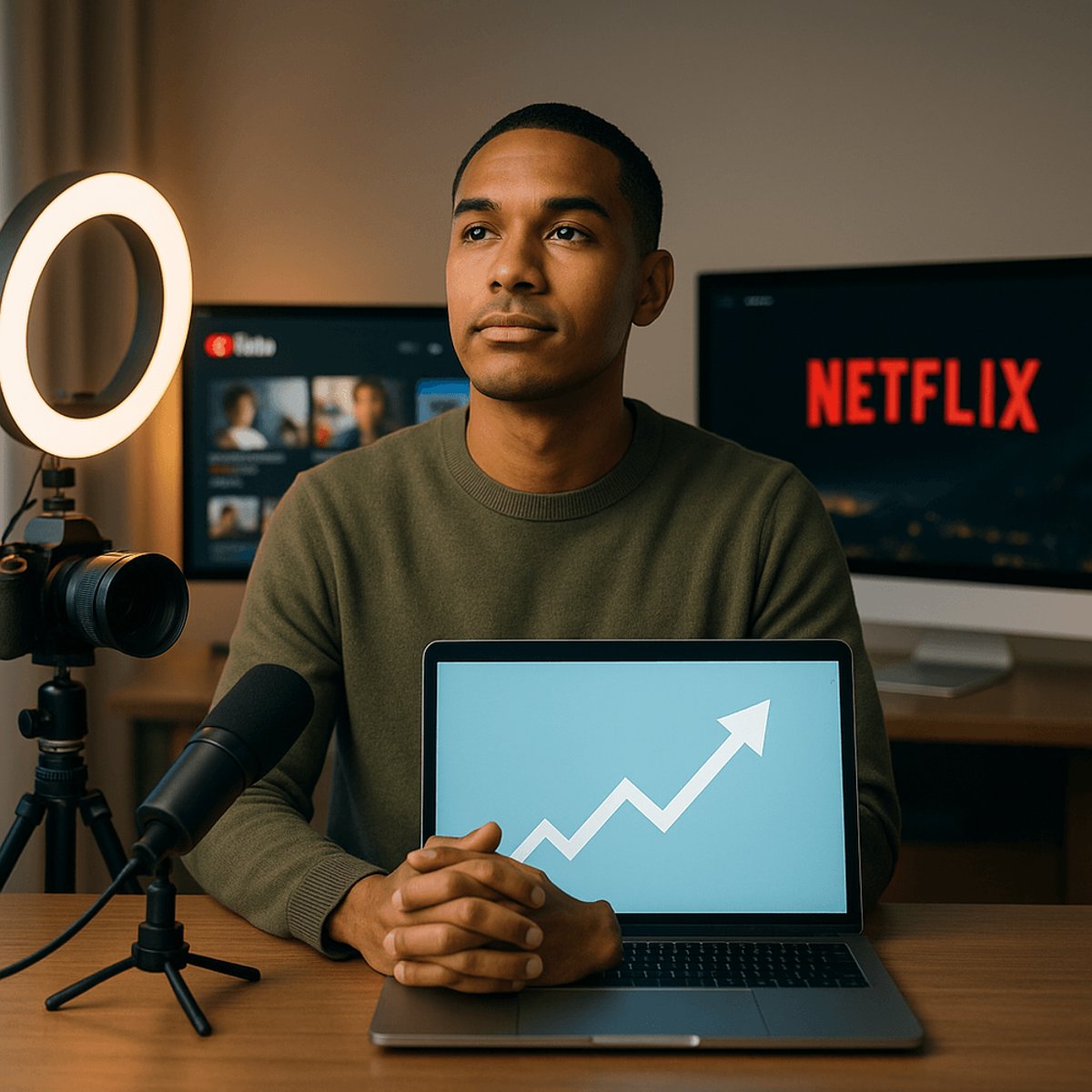
YouTube CEO Neal Mohan just threw down the gauntlet in the escalating battle for digital creators. Speaking about the threat of Netflix poaching top talent, Mohan declared that the platform's best creators will 'never leave their home' - a bold claim that signals YouTube's confidence even as traditional streaming giants muscle into creator-driven content. The statement comes as Netflix ramps up its courting of independent creators, offering lucrative deals that could reshape the $250 billion creator economy.
YouTube CEO Neal Mohan isn't losing sleep over Netflix. In comments that reveal the platform's confidence amid mounting competition, Mohan insisted that YouTube's most popular creators will 'never leave their home' - even as Netflix dangles multi-million dollar deals to lure digital talent.
The statement, reported by TechCrunch, marks YouTube's most direct response yet to Netflix's aggressive push into creator-driven content. It's a battle that's been brewing for months as traditional streaming services realize that independent creators - not just Hollywood studios - hold the keys to Gen Z and millennial audiences.
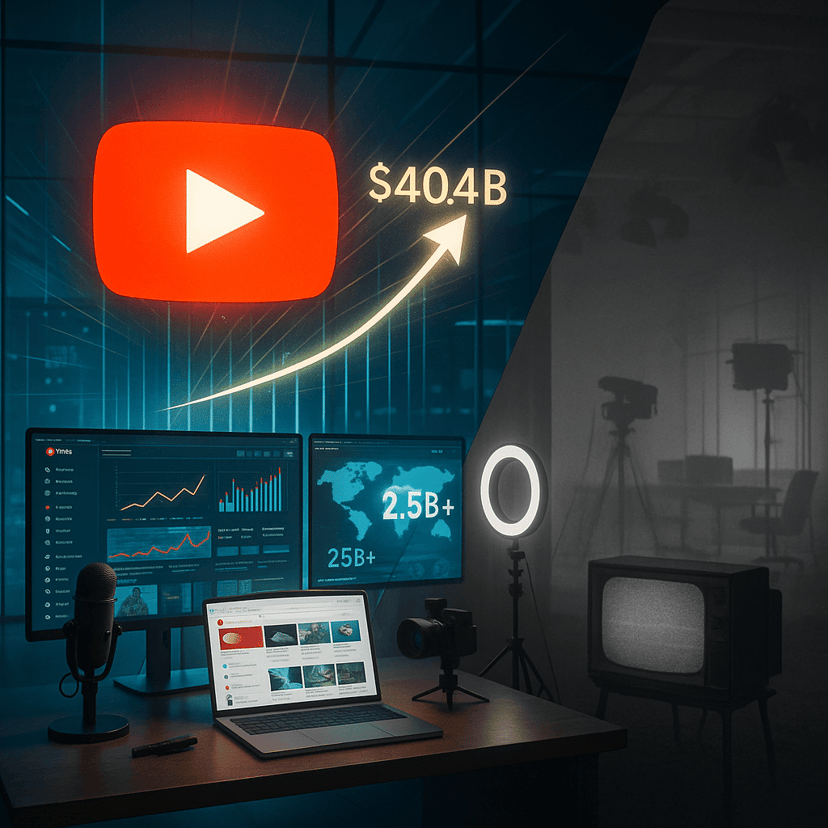
Mohan has reason to project confidence. YouTube, owned by Google, paid out more than $70 billion to creators, artists, and media companies over the past three years. That's not just a number - it's an ecosystem that's made thousands of creators millionaires and given them something Netflix can't easily replicate: direct audience relationships and diversified revenue streams from ads, memberships, Super Chats, and merch integrations.
But Netflix isn't playing small ball. The streaming giant has been quietly signing creators to exclusive deals, offering upfront guarantees that dwarf what most YouTubers earn from ad revenue alone. MrBeast, who reportedly turned down a nine-figure Netflix offer last year, represents the caliber of talent both platforms are fighting over. Netflix's bet is simple: give creators Hollywood budgets and global distribution without the algorithmic uncertainty of YouTube's recommendation system.
The tension reveals a fundamental shift in how content gets made and distributed. YouTube built its empire on democratized content creation - anyone with a camera and an idea could build an audience. Netflix is trying to bolt that creator authenticity onto its premium streaming model, creating hybrid shows that blend YouTube sensibilities with Netflix production values.
For creators, it's not just about money. YouTube offers real-time feedback, community interaction through comments, and the freedom to post whatever, whenever. Netflix deals typically involve exclusive windows, creative oversight, and the loss of that direct fan connection. As one top creator told The Information earlier this year, 'Netflix pays more upfront, but YouTube pays forever.'
Mohan's comments also underscore YouTube's strategic advantages. The platform's recommendation algorithm drives 70% of watch time, meaning creators don't need to market their own content - YouTube does it for them. The platform's integration with Google's advertising infrastructure provides targeting and monetization capabilities no competitor can match. And YouTube Shorts, the platform's TikTok competitor, gives creators multiple formats to reach audiences.
But there are cracks in YouTube's armor. Creator burnout is real, driven by the relentless need to feed the algorithm. Top creators increasingly complain about demonetization, opaque content policies, and declining RPMs (revenue per thousand views). Netflix's pitch - guaranteed money, no algorithm stress, prestige projects - resonates with burned-out creators looking for stability.
The competitive dynamics extend beyond just YouTube and Netflix. Amazon Prime Video has been courting gaming creators, Apple TV+ is exploring podcast-to-series adaptations, and traditional studios are launching creator funds. The entire entertainment industry is converging on the same insight: authentic voices with built-in audiences are more valuable than expensive IP without cultural relevance.
What's fascinating is that Mohan chose to address this publicly at all. YouTube rarely acknowledges competitive threats so directly. The statement suggests Netflix's creator push is having an impact - or that YouTube wants to reassure creators before they start taking meetings with Netflix executives.
Industry analysts see this as the opening salvo in a longer war. 'This isn't about individual creators jumping ship,' one media analyst told Variety. 'It's about whether the next generation of storytellers sees YouTube or Netflix as their launching pad.' That's the real battleground - not stealing existing talent, but capturing emerging creators before they build their audiences.
For now, YouTube holds the high ground. Its scale is unmatched - 2.7 billion monthly users compared to Netflix's 260 million subscribers. But scale alone didn't save cable TV or traditional media. If Netflix can prove that creator content drives subscriber growth and retention, it'll keep writing checks. And at some point, enough zeros on a contract make any home feel temporary.
Mohan's confidence isn't just bravado - it's backed by billions in creator payouts and an ecosystem Netflix can't clone overnight. But the CEO's need to address the threat publicly reveals something important: the competition is real, and YouTube knows it. As streaming platforms and creator platforms blur together, the question isn't whether top YouTubers will leave their home. It's whether the next generation will choose to build one there in the first place. For now, YouTube's betting that freedom, community, and compound earnings beat guaranteed checks. Netflix is betting the opposite. Creators - and their audiences - will decide who's right.