
Newsletter
Beyond Tech

The Tech Buzz
January 31, 2026
IN PARTNERSHIP WITH

Feature: Winter Storms, Travel Hassles & The AI Solutions
Consumer Tech: FDA eases wearables rules; iOS privacy updates; OpenAI’s Prism; AirTag 2; Xreal’s XR drift ; Uber AV Labs; $18K Chinese EV pickup; AirFly Pro
Art/Culture: A‑list creators vs A; IBeat‑synced music for anxiety; Mercy topples Avatar; BBC culture flashpoint
Food/Drink: Whisky in aluminum bottles; Smithfield–Nathan’s deal; Bojangles hits NYC; Amazon closes Fresh/Go; Once Upon a Farm IPO; tighter gluten rules;
Sports: Mercedes F1 x MS AI; $1B PTPA tennis push; Mark Cuban backs college cap; Super Bowl ad blitz; Savannah Bananas’ $80M circus; Team USA 2026 roster;
Futurism: Nanotech breakthroughs; sodium‑ion core‑shell anodes; salt‑powered batteries; cell microrobots; weather prediction markets; ashes‑to‑space startup;
Wellness/Health: Mendra’s $82M raise; optical‑color ultrasound; cancer tumors’ Alzheimer‑like clumps; Medtronic–Mindray ASC collaboration

RYSE is building the A.I. layer for the smart home, starting at one of the most important control points: window coverings. Blinds and shades shape how natural light, heat, and comfort move through an entire space — yet over 90% remain manually controlled across homes, offices, and hotels.
The first wave of smart home leaders showed what’s possible. Google acquired Nest for $3.2 Billion. Amazon bought Ring for over $1 Billion. Each began with a single overlooked category. RYSE is following that path with window covering automation.
RYSE has earned over $15 million in revenue, holds 10 patents, and is expanding through major retail and B2B channels, including sales in 100+ Best Buy stores and deployments with Fairmont Hotel.
The company has reserved the Nasdaq ticker $RYSS. This may be their final public round before they shift towards institutional capital ahead of any potential exit or liquidity.
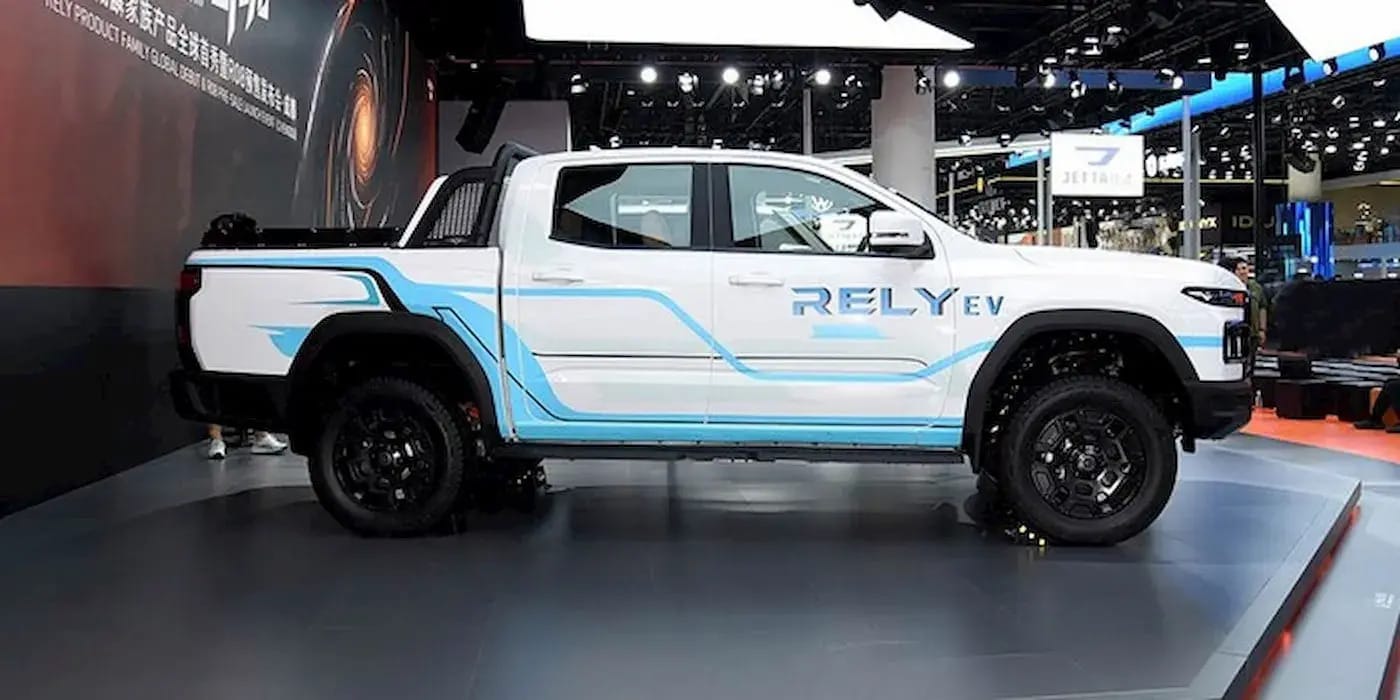
$18K EV Pickup — A Chinese electric pickup priced around $18,000 is raising eyebrows for its Hilux‑like design, pairing budget EV hardware with a very familiar midsize‑truck silhouette.
Wearables Loosened — New FDA guidance eases oversight of some health wearables and wellness devices, but experts worry quasi‑medical products may dodge stricter review.
iOS 16.3.3 Privacy — Apple confirmed a major iOS 16.3.3 privacy & security update, many older iPhones are unsupported. Also: Should You Install iOS 16.2.1?
Claude’s Interactive Tools — Anthropic is giving Claude interactive tools for browsing, coding, and API calls, turning chats into multi‑step workflows.
AirTag 2 vs AirTag — Apple’s AirTag 2 tracker promises better range, precision, and privacy extras over the original AirTag, but the first‑gen tag still covers basic item‑finding at lower cost.
Xreal Fixes XR Drift — Xreal’s free update tackles XR glasses’ notorious screen “drift,” locking virtual displays more firmly in place for more comfortable long‑session use.
eBay vs Agentic AI— eBay is banning external autonomous "agentic AI" shopping bots for now, citing fraud and system‑abuse risks.
USAT: Tether’s US Stablecoin — Tether’s new USAT stablecoin is branded "made in America," targeting traditional finance adoption and closer regulatory comfort in US markets.
[Open Deal] WYDE Hits $14M FDV & Becomes The First 501(c)(4) Exchange
This week, Wyoming Decentralized Exchange (WYDE) hit a $14M valuation, funded over 4,184 meals, and received federal recognition as a 501(c)(4) nonprofit.
And the government just announced food policy that aligns perfectly with WYDE’s mission. Wyde Founder Aaron Rafferty writes about how The 2025-2030 Dietary Guidelines for Americans emphasize the importance of real food and flips the food pyramid towards reduction of processed foods and the inclusion of protein, dairy, and healthy fats in diets to address chronic health issues linked to poor nutrition.

“I've been working on something at @wydeorg that connects directly to this moment. Millions of Americans are obese and still hungry because they do not eat REAL FOOD.”
— Aaron Rafferty, Co-Founder of Wyde

Tech Buzz Editorial Feature
A brutal winter storm gripped the United States this week. Heavy snow, ice, and freezing rain stretch from Texas to Maine. Airlines canceled more than 5,300 flights. Another 4,300 faced delays. Power outages affected 500,000 homes. Major highways like I-95 saw massive pileups. Uber prices tripled. Hotels were booked solid. Travelers slept in airports or hunted rental cars. Amtrak trains ran six hours late. FEMA issued blizzard warnings. This storm showed us weather still rules travel plans.
Airports took the hardest hit. Boston Logan and Newark cancelled 40% of flights. Delta, United, and American Airlines grounded most planes. Icing rules kept wings grounded. Planes circled for hours, burning fuel. Crews reached rest limits. Luggage piled up unclaimed. CSX and BNSF railroads halted freight. Interstate closures trap drivers. FlightAware and Google Flights showed red across the map. Travelers should check these apps immediately. Delays spread nationwide.
Weather disruptions cost airlines $30-50B each year. A single storm hour at a major hub drains $300-500K. Fuel wastes on holding patterns. Crew overtime adds up. Empty seats mean lost tickets. Passengers lose $2.5B annually from missed work and hotels. Travel insurance covers some costs. Cold weather cuts EV battery range by 30%. Gas stations form long lines. Rental car agencies run out of vehicles. The ripple effects last days.
Weather models have long relied on physics equations run on supercomputers. These systems struggle with fast-moving storms. The current snow-to-ice shift caught many by surprise. Predictions often arrive hours late. Airports scramble for last-minute de-icing. Airlines hold planes on tarmacs. Drivers hit unexpected black ice. Better forecasts hours earlier could prevent much of this chaos.
Nvidia changed the game last week. The company launched Earth-2, a suite of AI weather models. Earth-2 Medium Range outperforms Google DeepMind's GenCast across 70+ variables. It predicts temperature, wind speeds, humidity, and storm tracks with high accuracy. Earth-2 Nowcasting delivers 0-6 hour forecasts at country scale. The system runs on standard GPUs, not expensive supercomputers. Nvidia demonstrated it at the American Meteorological Society meeting. Early tests show superior results.
Earth-2 uses transformer architecture, the same technology behind language models like ChatGPT. It processes satellite imagery, radar data, buoy readings, and 40 years of historical weather. Patterns emerge that humans miss. Forecasts reach 1km resolution up to 15 days ahead. Turbulence predictions hit 90% accuracy. StormScope, part of the suite, gives airports early runway warnings. The models scale easily for any organization with Nvidia hardware.
Major carriers already use these tools. JetBlue partners with Tomorrow.io for real-time feeds. Planes reroute around ice safely. The system saves 10% on fuel costs. Delta adjusts schedules 48 hours in advance. United Airlines optimizes routes for wind patterns. Cirium combines weather data with FAA traffic information. The platform assigns gates intelligently and swaps crews efficiently. These moves cut secondary delays by 20-30%. SITA uses AI to schedule de-icing crews precisely.
Live weather feeds transform airport operations. Thunderstorm cells get avoided automatically. Gates turn over faster. Baggage systems route bags to the right planes. Runway risk assessments keep ground crews safe. Fuel loads adjust for headwinds. Passengers receive accurate ETA updates via text. Gate agents handle changes smoothly. The entire system flows better.
Several apps help passengers navigate current disruptions. Flighty costs $10 per year. It combines FAA data with weather forecasts to predict delay probabilities for specific flights. TripIt scans email confirmations and suggests rebooking options. Link it to Chase Sapphire or Amex Platinum for automatic insurance claims. Hopper finds alternative flights at lower prices. Google Maps highlights black ice reports and suggests detours. Waze uses crowd data for real-time traffic avoidance. Kayak shows "45% delay risk" with one-click alternatives.eself+1
Enable location sharing in travel apps. Claim airline vouchers immediately. Delays over 6 hours qualify for most travel insurance. Book rental cars through Turo to avoid airport lines. EV drivers should charge before temperatures drop. Carry power banks, snacks, and entertainment. Document all delays with screenshots.
Nvidia-powered forecasts could reduce weather disruptions by 50% within five years. Airports will integrate with Uber and Lyft for seamless ground transport. Incoming ice triggers automatic EV lane clearances on I-90. High-speed rail becomes the smart choice over flying. IBM and Google develop quantum-enhanced models aiming for 30-day accuracy at 80%. Smartphones run personalized micro-forecasts. Your phone alerts you: "Train arrives 15 minutes early. Beats storm-delayed flight." Travel becomes reliable year-round.
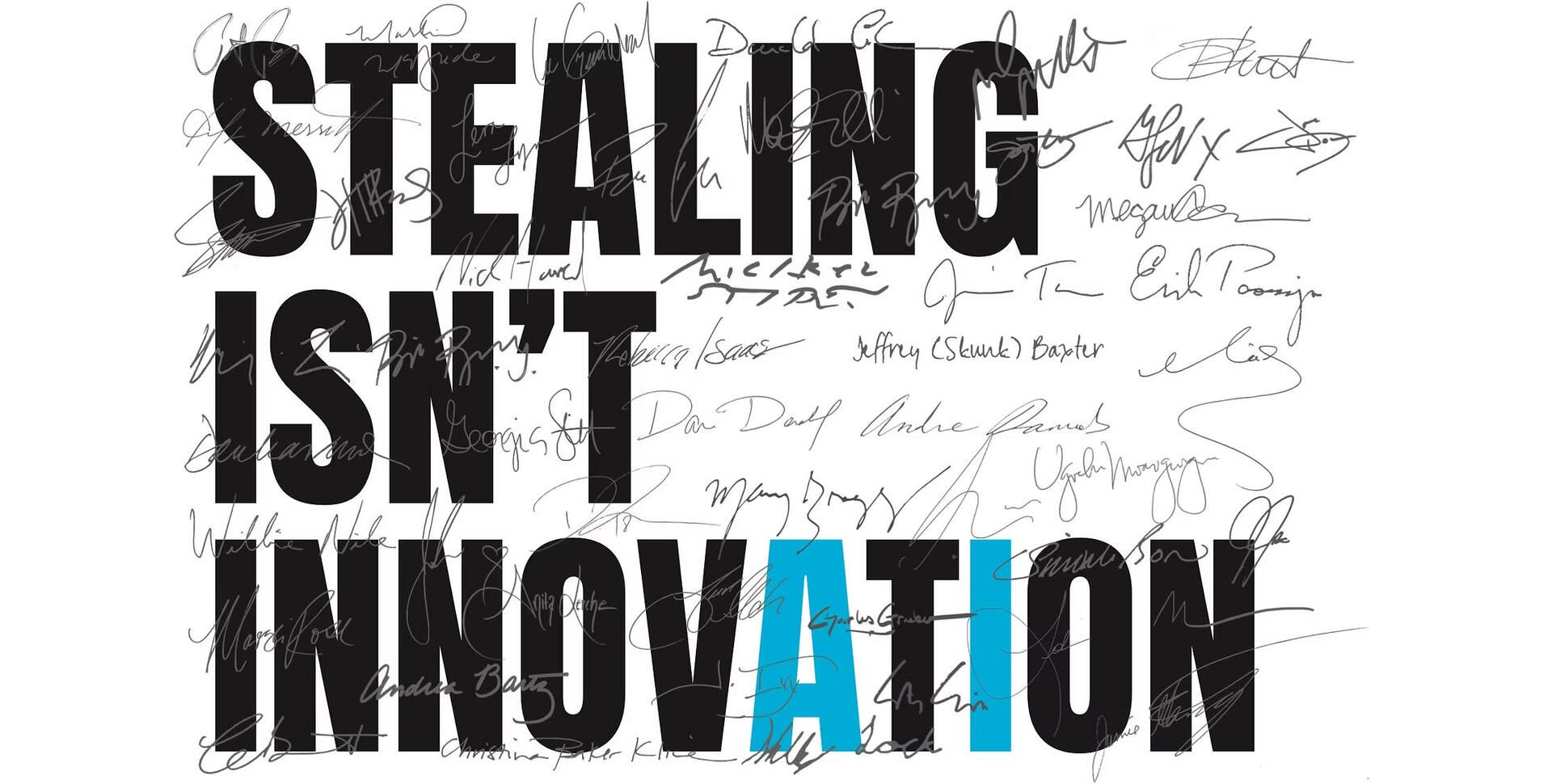
A‑List Creators vs AI “Theft” — Top writers, actors, and musicians say generative AI enables "theft at a grand scale," demanding stricter rules on training data and compensation.
Dear Upstairs Neighbors — Google DeepMind teams with Pixar alum Connie He on an animated short made by fine-tuning Veo and Imagen models — all tools now rolling to Google AI Studio.
‘Mercy’ Knocks Off ‘Avatar’ — Chris Pratt’s thriller Mercy has dethroned Avatar at the box office, proving original, star‑driven films can still beat franchise giants.
Beat‑Synced Music Eases Anxiety — Researchers found that listening to music paired with beat‑based brain stimulation can reduce anxiety, hinting at future consumer audio‑therapy products.
BBC Arts & Identity Feature — The BBC unpacks how cultural identity, conflict, and storytelling collide in a major contemporary arts‑meets‑politics flashpoint.
On‑Court & Style — Novak Djokovic adds another Australian Open title & wins the fashion campaign from center court to style spreads. Also: Lacoste’s United Cup Scent wins tennis branding.

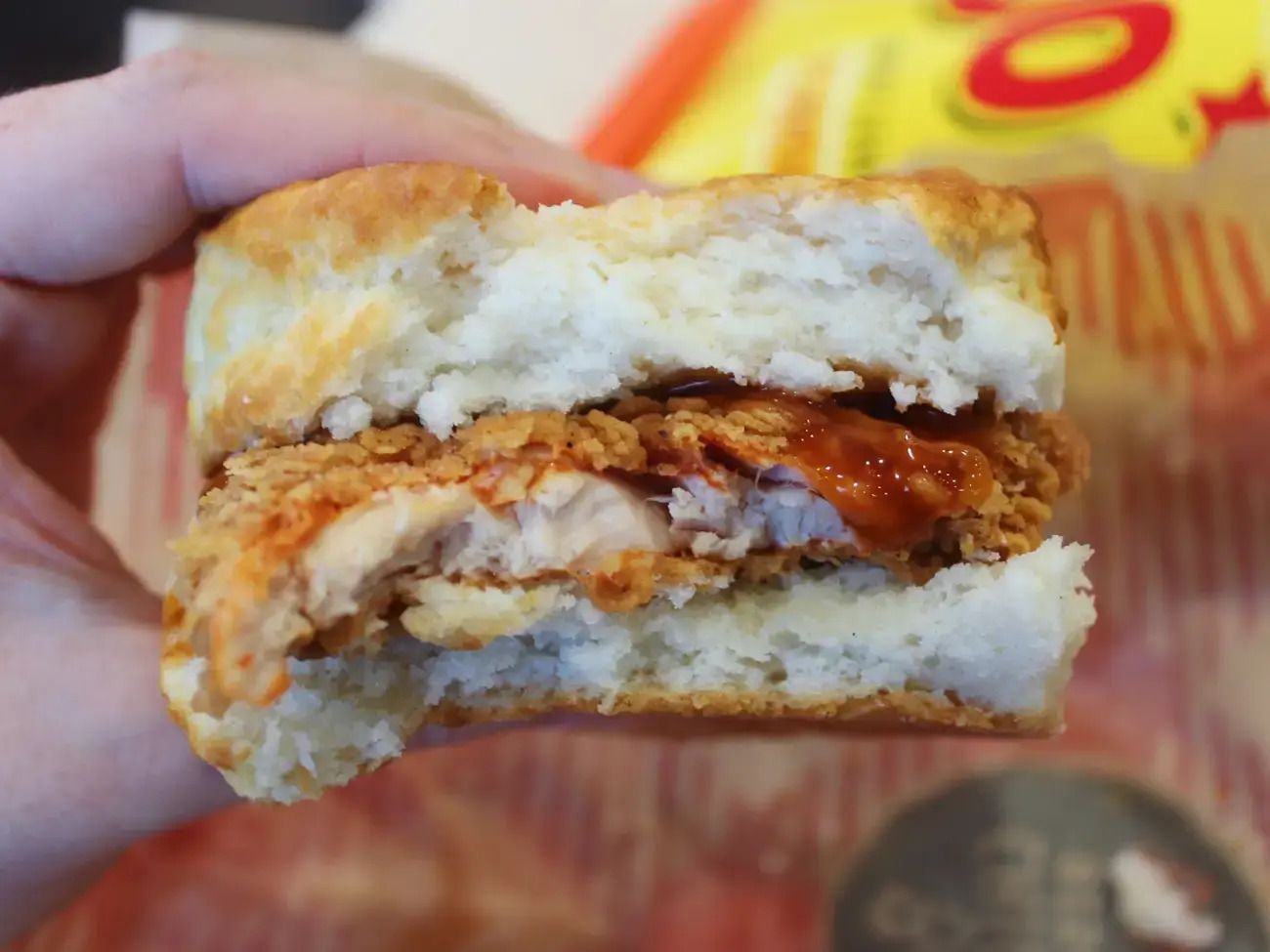
Gluten Rules May Tighten — The FDA is considering stricter gluten disclosure on labels, which could force brands to be clearer about trace amounts and cross‑contamination.
Amazon Refocuses Grocery Bets — Amazon is closing its Fresh and Go physical stores to double down on grocery delivery and expand Whole Foods, reshaping its brick‑and‑mortar food strategy.
Fortune Cookie Takeover — MrBeast partnered with OpenFortune to slip Beast Games S2 messages into 2.5M fortune cookies across US/Europe restaurants, including 24K rare collectibles hand-written by MrBeast himself.
Bojangles Targets NYC Breakfast — Bojangles is pushing into New York City, betting its fried chicken and biscuit‑heavy breakfast menu can crack the country’s toughest fast‑food market.
Smithfield Buys Nathan’s — Smithfield Foods is acquiring Nathan’s Famous for about $450M, folding the iconic hot‑dog brand into a global meat powerhouse.
Whisky in Aluminum Bottles — A Scottish whisky brand is shifting from glass to aluminum bottles to cut carbon and shipping weight, testing whether sustainability can trump tradition in premium spirits.
Once Upon a Farm Eyes IPO — Baby and kids food brand Once Upon a Farm has filed for an IPO, looking to scale its organic pouches and snacks amid strong demand for cleaner options.

Team USA’s 2026 Winter Lineup — Team USA’s full 2026 Winter Olympics roster is set, featuring big names and breakout hopefuls across hockey, skiing, and figure skating.
Mercedes F1 x Microsoft AI — Mercedes‑AMG Petronas is expanding its AI‑driven partnership with Microsoft to power race simulations, strategy, and operations across F1.
$1B PTPA Tennis Reform Push — The PTPA aims to raise $1B to overhaul pro tennis economics, promising fairer revenue sharing for players beyond the top stars.
Mark Cuban Backs College Cap — Mark Cuban supports a college sports "salary cap" revenue‑sharing model, arguing it protects schools while giving athletes more predictable pay.
Super Bowl Ads Go Big Early — Brands are dropping 2026 Super Bowl ad teasers packed with celebrities and creators like MrBeast, turning the pregame drip into its own campaign.
Savannah Bananas’ $80M Circus — The Savannah Bananas have built an $80M‑plus business by turning baseball into a TikTok‑friendly circus of stunts, merch, and sold‑out tours.

AlphaGenome Unlocks DNA Dark Matter — Google DeepMind’s AlphaGenome AI decodes 1M-letter DNA sequences to predict how mutations in coding and non-coding regions alter gene activity and disease risk like cancer.
Core‑Shell Sodium Batteries — A core‑shell anode design significantly boosts sodium‑ion battery performance, pushing cheaper, lithium‑free storage closer to practicality.
Microrobots with Onboard Brains — Cell‑sized microrobots with built‑in computation can sense and act autonomously, paving the way for tiny swarms in medicine and manufacturing.
Betting on Blizzard Totals — Prediction markets like Polymarket and Kalshi are letting users bet on snowfall totals, turning winter storms into speculative forecasting games.
Salt‑Powered Battery Startup — A Seattle startup raised funding to develop salt‑based batteries, betting on safer, cheaper grid‑scale storage as a lithium alt.


Cancer Tumors’ Alzheimer‑Like Clumps — New research shows cancer tumors can form Alzheimer‑like protein aggregates, hinting at shared mechanisms and potential cross‑disease treatments.
Putting Color into Ultrasound — Caltech scientists are bringing optical‑style “color” contrast to ultrasound imaging, promising sharper views of soft tissues.
Medtronic x Mindray for ASCs — Medtronic and Mindray are partnering on ambulatory surgery center solutions, combining devices and imaging for the booming outpatient market.
Mendra’s $82M Mental Health Bet — Digital mental‑health startup Mendra raised $82M in Series A funding to scale AI‑assisted care and personalized support.
Instagram: https://www.instagram.com/thetechbuzz.ig/

| Get the daily newsletter that helps you understand the tech ecosystem sent to your inbox.
More Newsletter Posts


