1Password just cracked one of enterprise AI's thorniest problems. The password manager unveiled Agentic Mode, a new integration that lets Anthropic's Claude authenticate into applications and handle multi-factor authentication without ever exposing actual credentials to the AI model. It's a breakthrough that could finally make AI agents viable for security-conscious enterprises that have been sitting on the sidelines, worried about handing their login keys to large language models.
1Password is betting that the future of AI agents depends on solving a problem nobody's talking about enough: how do you let an AI log into your accounts without actually showing it your passwords?
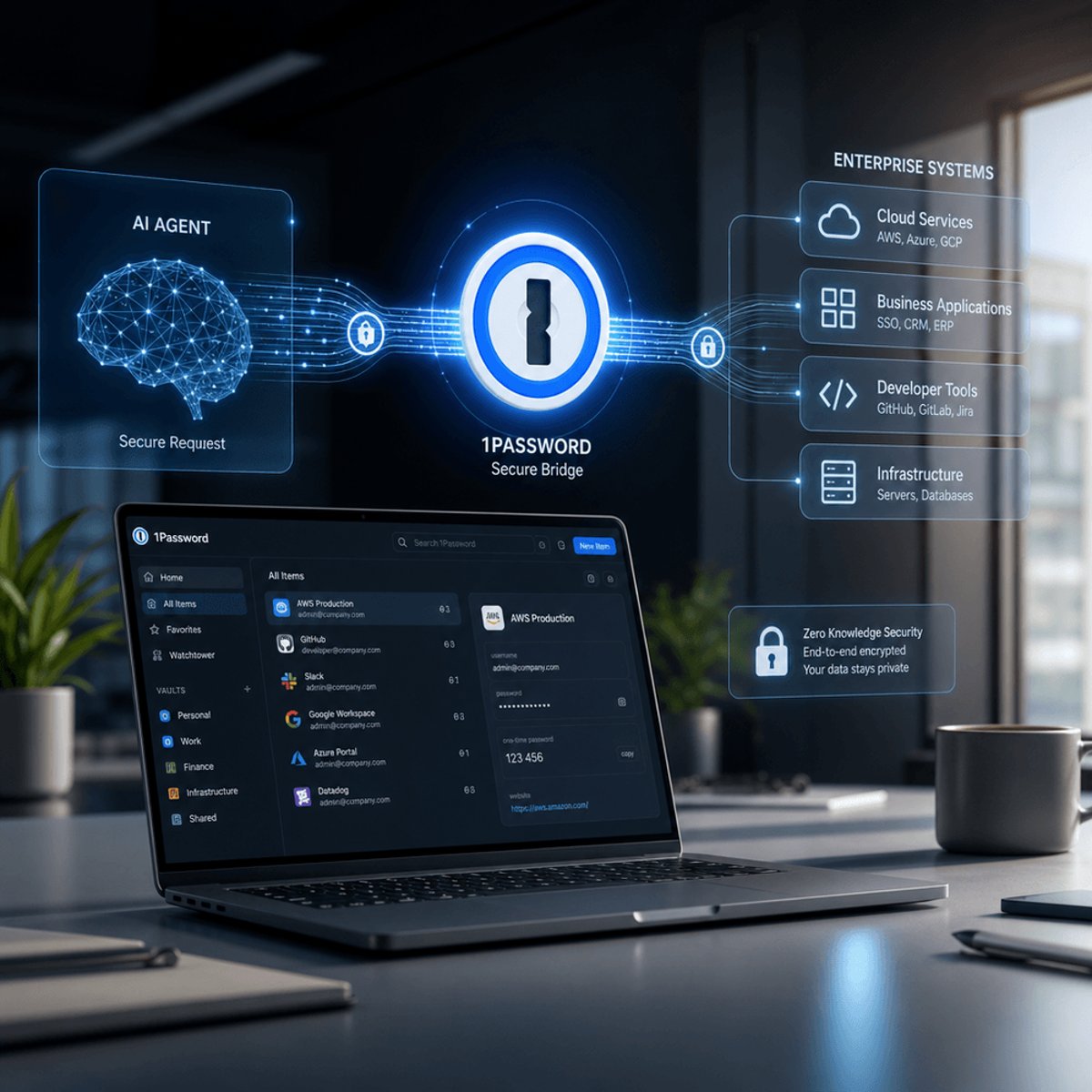
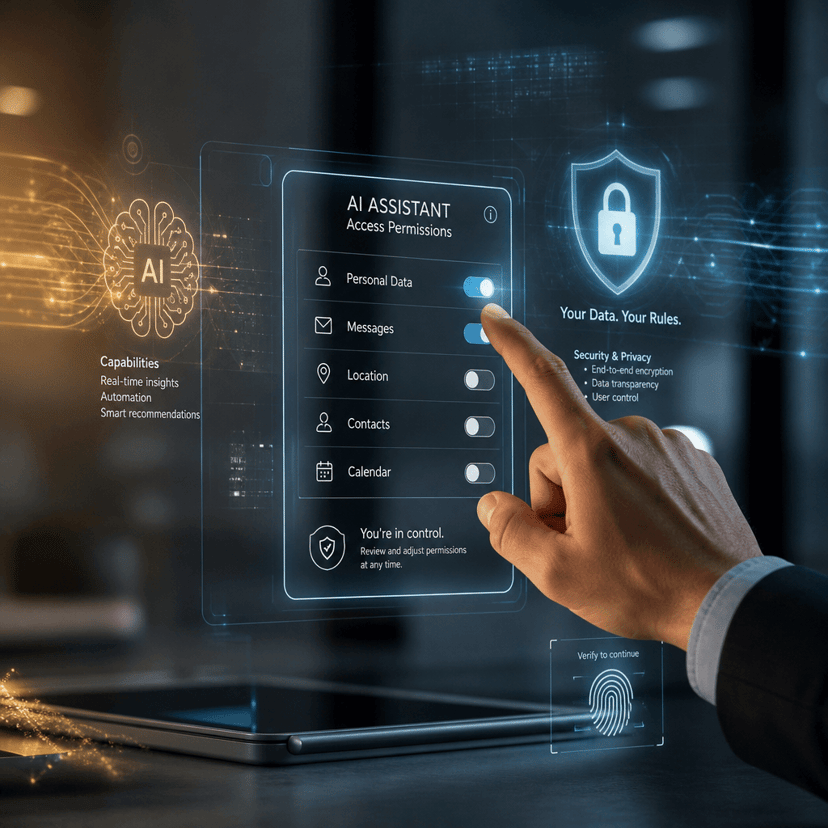
The company's new Agentic Mode, announced today in partnership with Anthropic, creates a secure handoff system where Claude can request authentication for websites and services, but 1Password handles the actual credential entry behind the scenes. The AI never sees your password, never touches your two-factor authentication codes, and Anthropic's servers never get a glimpse of your login data.
It's a deceptively simple solution to what's become a massive roadblock for enterprise AI adoption. Companies have been eager to deploy AI agents that can handle routine tasks like filing expense reports, updating CRM records, or managing support tickets. But the authentication problem has kept most of these projects in pilot purgatory. How do you give an AI access to your enterprise systems without violating every security policy your company has spent years building?
The technical implementation works like a secure API handshake. When Claude needs to log into a site, it sends an authentication request to 1Password. The password manager verifies the request, retrieves the appropriate credentials from its encrypted vault, and injects them directly into the login form. From Claude's perspective, it just magically gets authenticated access. From a security standpoint, the credentials never left 1Password's zero-knowledge architecture.
The MFA integration is particularly clever. When a site prompts for a one-time code, 1Password intercepts that request too, generates or retrieves the code from its authenticator feature, and completes the verification. The AI agent continues its task without ever being exposed to the underlying security mechanisms.
This matters because AI agents are only useful if they can actually do things. The vision of an AI assistant that can book your travel, submit your timesheets, or manage your calendar falls apart the moment you hit a login screen. Previous attempts to solve this involved either storing credentials in plaintext configuration files (a security nightmare) or requiring constant human intervention to handle authentication (defeating the entire purpose of automation).
1Password's approach maintains the company's core promise: even they can't see your passwords. The integration preserves that zero-knowledge architecture while extending it to cover AI agent interactions. It's the difference between giving someone your house key versus giving them the ability to ask your smart lock to let them in when they have a legitimate reason.
For enterprises, this could be the unlock that finally makes AI agents practical at scale. IT teams can maintain their existing security policies, continue using 1Password as their credential management system, and layer AI automation on top without creating new attack surfaces. The AI agent operates within a permission structure that's already been approved and audited.
The timing is significant. Anthropic has been pushing hard on computer use capabilities, recently expanding Claude's ability to interact with desktop applications and web interfaces. But those capabilities hit a wall when authentication is required. This partnership suggests both companies understand that the next phase of AI agents isn't about making them smarter - it's about making them securely practical.
There are still open questions. The initial integration is limited to Claude, though 1Password has hinted that the underlying architecture could extend to other AI platforms. There's also the matter of scope - what happens when an AI agent needs access to something it shouldn't have? The system presumably relies on 1Password's existing permission structures, but enterprises will need clear policies about which credentials AI agents can request.
The broader implication is that we're moving from AI as a chatbot to AI as a colleague with actual system access. That shift requires infrastructure that doesn't exist yet. Authentication is just the first piece. AI agents will also need secure ways to handle file access, API keys, database connections, and a dozen other enterprise systems that were designed for human users with security training.
But 1Password is solving the problem that was blocking everything else. You can't automate invoice processing if the AI can't log into your accounting software. You can't have an AI schedule meetings if it can't authenticate with your calendar. Secure credential handling is the foundation that makes everything else possible.
What 1Password just shipped isn't just a feature - it's infrastructure for a future where AI agents are trusted collaborators rather than security risks. By solving the authentication problem without compromising on security principles, they've removed one of the biggest barriers keeping enterprises from deploying AI agents at scale. The question now isn't whether AI agents can securely log into your systems, but how quickly enterprises will start building workflows that assume they can. For security teams that have been blocking AI agent projects over credential concerns, the conversation just got a lot more interesting.