Aetherflux is closing in on a massive Series B round that would catapult the space infrastructure startup to a $2 billion valuation. Index Ventures is leading the raise, which sources say could land between $250 million and $350 million, according to TechCrunch. The deal marks one of the largest space tech funding rounds this year and signals growing investor appetite for companies bridging the gap between orbital infrastructure and Earth-based data centers.
Aetherflux is about to become one of the most valuable private space infrastructure companies on the planet. The startup is in advanced talks to close a Series B round between $250 million and $350 million at a $2 billion valuation, with Index Ventures leading the charge, TechCrunch reports.
The deal arrives as venture capitalists scramble to back companies solving the infrastructure challenges created by AI's explosive growth. While most attention has focused on chip makers and data center operators, a quieter race is unfolding in orbit. Aetherflux is betting that space-based power generation and distribution will become critical as ground-based energy grids strain under AI workloads.
Index Ventures' decision to lead the round represents a notable bet on space infrastructure beyond the typical satellite connectivity plays that have dominated the sector. The firm previously backed companies like Figma and Discord, but this marks a significant push into hardware-intensive space tech. Neither Index nor Aetherflux responded to requests for comment on the funding details.
The $2 billion valuation would put Aetherflux in rare company among space startups that haven't yet launched operational systems. For context, satellite internet provider OneWeb was valued at $3.4 billion when it emerged from bankruptcy in 2020, while rocket manufacturer Relativity Space hit a $4.2 billion valuation after its Series E in 2021. The difference? Aetherflux is chasing a market that barely exists yet - one that assumes data centers will eventually need power beamed from space.
That ambitious vision clearly resonates with investors watching AI companies burn through electricity at unprecedented rates. Microsoft recently signed a deal to restart the Three Mile Island nuclear reactor to power its data centers, while Google and Amazon are both investing heavily in small modular reactors. Space-based solar power offers a theoretical solution that's always been tantalizingly close but never economically viable.
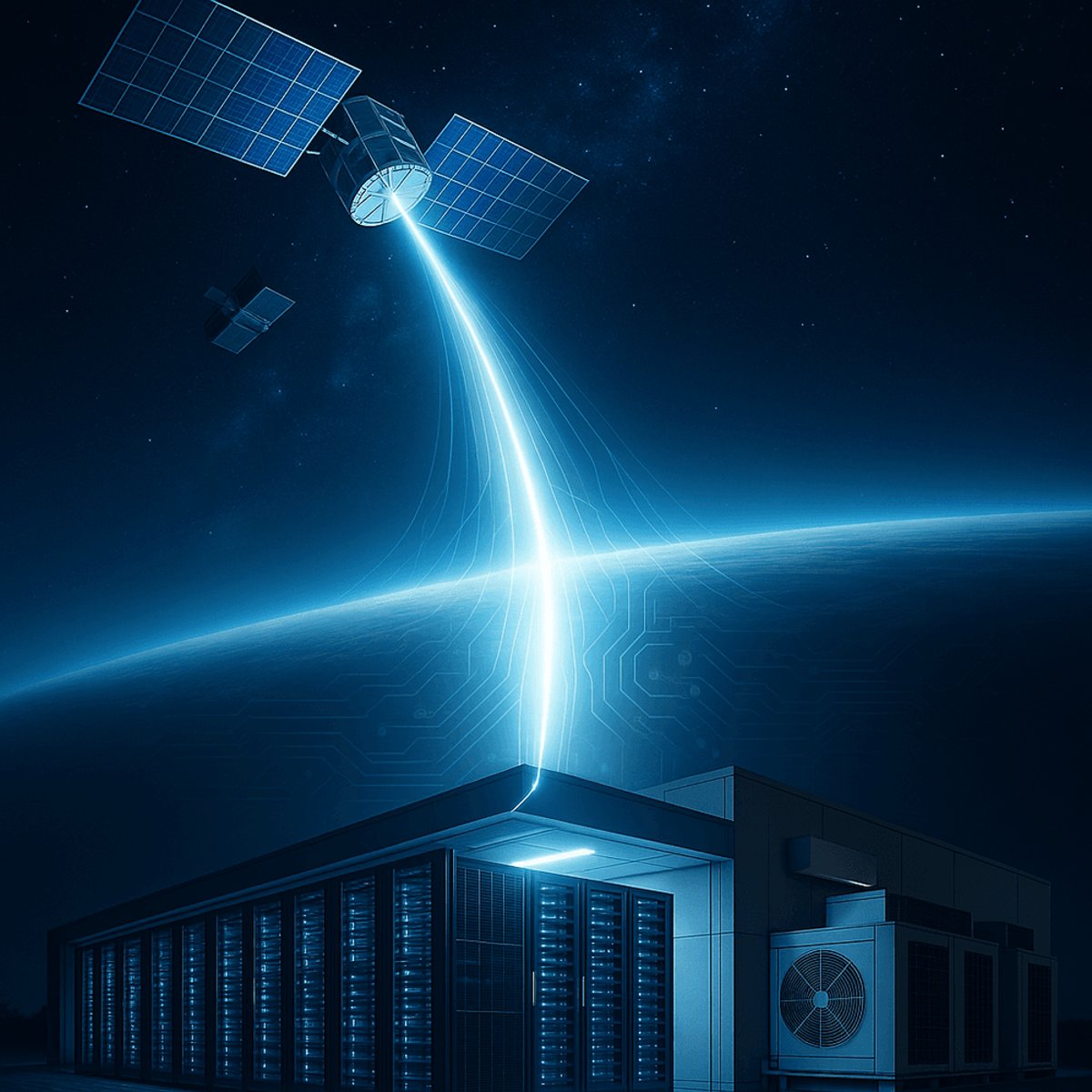
Aetherflux's approach remains somewhat opaque - the company has kept a low profile compared to flashier space ventures. What's known is that it's working on systems to collect solar energy in orbit and transmit it wirelessly to ground stations, potentially offering 24/7 power generation unaffected by weather or nighttime. The physics work, but the economics have traditionally been brutal, with launch costs historically making space-based power far more expensive than terrestrial alternatives.
That calculus is shifting. SpaceX's Starship and other heavy-lift vehicles promise to slash launch costs by an order of magnitude, while improvements in photovoltaic efficiency and wireless power transmission are making the orbital power concept more plausible. The AI boom provides a catalyst - if data centers become desperate enough for reliable, carbon-free power, they might be willing to pay premium prices for space-based solutions.
The funding environment for space startups has been volatile lately. After a boom period in 2021-2022, several high-profile companies hit turbulence. Virgin Orbit shut down, Astra struggled with launch failures, and many satellite operators found themselves in a crowded market with unclear paths to profitability. But infrastructure plays focused on the AI economy are finding more receptive audiences.
Index Ventures brings more than capital to the table. The firm's portfolio includes deep enterprise software expertise and connections to the exact customers Aetherflux would need to court - cloud providers and large-scale compute operators. That network effect could prove as valuable as the funding itself if Aetherflux can demonstrate technical viability.
The Series B size also suggests Aetherflux is preparing for capital-intensive development phases. Building and launching orbital power infrastructure isn't a lean startup game - it requires serious hardware development, testing, and eventually constellation deployment. The $250-350 million range indicates the company is moving from proof-of-concept toward actual system development.
What remains unclear is Aetherflux's timeline to demonstrate working systems. Space infrastructure investors have learned painful lessons about the gap between theoretical capabilities and operational reality. The company will need to show it can not just transmit power from space, but do so at costs that make sense compared to rapidly evolving ground-based alternatives like advanced nuclear or improved battery storage.
Aetherflux's reported $2 billion valuation represents a fascinating bet on space infrastructure becoming essential to AI's continued growth. The round's size and Index Ventures' involvement signal that sophisticated investors see potential in orbital power solutions, even if the path to commercialization remains uncertain. For an industry watching data centers strain electrical grids worldwide, space-based power has moved from science fiction to serious consideration. Whether Aetherflux can deliver on that promise - and at economically viable prices - will determine if this valuation looks prescient or premature in hindsight. Either way, the raise confirms that solving AI's infrastructure challenges has become one of venture capital's hottest frontiers, and investors are willing to look beyond Earth's atmosphere for answers.