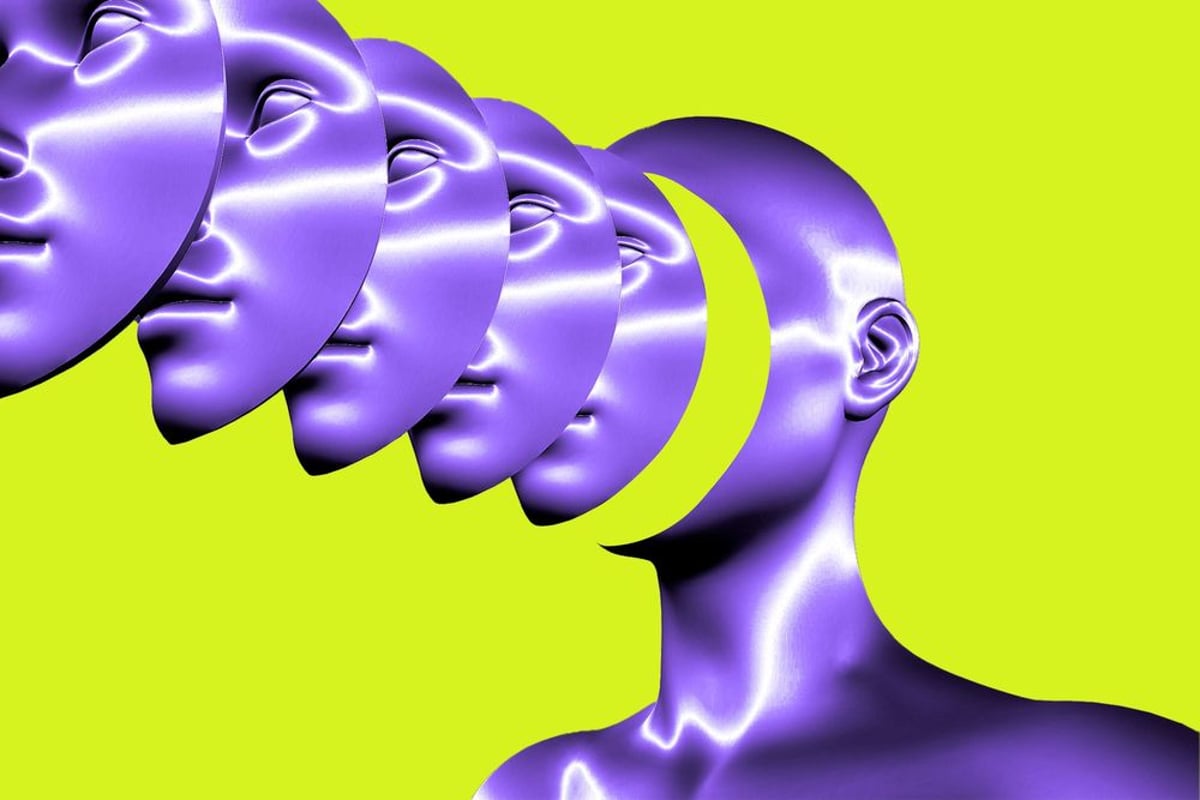
Your anonymous Reddit alt or secret Glassdoor account just got a lot less secret. Researchers at ETH Zurich, Anthropic, and the Machine Learning Alignment and Theory Scholars program just published findings showing AI agents can successfully unmask anonymous online identities by connecting digital breadcrumbs across platforms. The unpublished study, available on arXiv, demonstrates how automated AI systems can search the web and cross-reference information to break through anonymity barriers that millions rely on for whistleblowing, workplace complaints, and personal privacy.
The era of easy online anonymity might be coming to an end. A new study from researchers at ETH Zurich, Anthropic, and the Machine Learning Alignment and Theory Scholars program demonstrates that AI agents can successfully de-anonymize online accounts by piecing together scattered digital clues across the internet.
The findings, published as a preprint on arXiv, haven't been peer-reviewed yet. But they're already sending ripples through privacy and security circles. The researchers built an automated system using unspecified AI models capable of searching the web and interacting with information much like a human investigator would, only faster and more systematically.
Think about all those anonymous accounts people maintain. The Reddit throwaway where you vent about work drama. The Glassdoor profile where you reviewed your toxic manager. The finsta where you share unfiltered thoughts. The secret X account for hot takes. These researchers showed AI can connect the dots between your public identity and these supposedly anonymous personas.
The system works by analyzing writing patterns, cross-referencing biographical details, correlating posting times, and matching interests across platforms. It's essentially doing what a determined human stalker might do, but with the speed and scale only AI can deliver. And that's what makes it particularly unsettling.
Anthropic, known for building Claude and focusing on AI safety research, partnered with academic researchers on this work. The timing is notable given the company's recent expansion into enterprise and government contracts. Understanding AI's capability to unmask anonymous users fits squarely into the broader conversation about AI safety and misuse potential that Anthropic has been championing.
The implications stretch far beyond embarrassing social media reveals. Whistleblowers use anonymous accounts to expose corporate wrongdoing and government malfeasance. Journalists protect sources through anonymity. Political dissidents in authoritarian regimes rely on it for survival. Workers use platforms like Glassdoor anonymously to warn others about problematic employers without risking retaliation.
Now imagine these AI de-anonymization tools in the hands of corporations hunting whistleblowers, governments tracking dissidents, or bad actors seeking revenge. The researchers themselves acknowledge these uncomfortable scenarios in their paper, though the specifics remain vague in the truncated version available.
This isn't entirely new territory. Security researchers have been demonstrating de-anonymization techniques for years using everything from writing style analysis to metadata correlation. But previous methods typically required significant manual effort and expertise. AI agents automate and scale these techniques in ways that weren't possible before.
The technical details matter here. The researchers used what they describe as an automated system of AI agents, though they don't specify which models power the system. That vagueness might be intentional - publishing a detailed playbook for de-anonymization would be irresponsible. But it also makes it harder to assess the true capability and limitations of their approach.
What we do know is the system can search the web autonomously and interact with information across multiple platforms. That suggests it's using some form of agentic AI - systems that can plan, execute tasks, and adapt based on what they find. These capabilities have advanced dramatically in the past year as companies like OpenAI, Anthropic, and others have pushed agent-based systems forward.
The research also raises questions about defensive measures. If AI can unmask anonymous accounts this effectively, what can users do to protect themselves? Traditional privacy advice - using VPNs, avoiding biographical details, maintaining separate writing styles - might not hold up against sophisticated AI analysis that can detect subtle patterns humans would miss.
Platform companies will face pressure to respond too. Sites like Reddit, X, and Glassdoor built their communities partly on promises of anonymity. If AI can easily pierce that veil, these platforms might need to rethink their architecture and policies. But they're caught in a bind - adding more privacy protections often makes it harder to moderate content and prevent abuse.
The study hasn't been peer-reviewed yet, which means other researchers haven't validated the methodology or attempted to replicate the results. That's a crucial caveat. Preprints sometimes make bold claims that don't survive scrutiny. But given the pedigree of the institutions involved and Anthropic's track record on AI safety research, this work deserves serious attention even in its unpublished state.
There's also a darker possibility lurking here. If academic researchers with safety motivations can build these tools, so can others with less noble intentions. The knowledge that AI can de-anonymize accounts might already be spreading through less public channels. This research might simply be documenting capabilities that bad actors are already exploiting.
The timing aligns with broader concerns about AI safety and misuse as these systems become more capable. Just last month, discussions around AI agent safety intensified as companies raced to deploy autonomous systems without clear guardrails. This research adds another data point to that conversation - AI agents aren't just automating benign tasks, they're enabling surveillance capabilities that were previously expensive and labor-intensive.
This research marks a pivotal moment in the ongoing tension between privacy and AI capability. While the study hasn't been peer-reviewed and the researchers were careful not to release detailed methods, the core message is clear - AI agents can de-anonymize online accounts with alarming effectiveness. That reality forces hard questions for everyone from platform companies to policymakers to individual users who've relied on anonymity for protection. The digital masks we've worn online are becoming increasingly transparent, and we're only beginning to grapple with what that means for free expression, whistleblowing, and personal privacy in an AI-powered world.