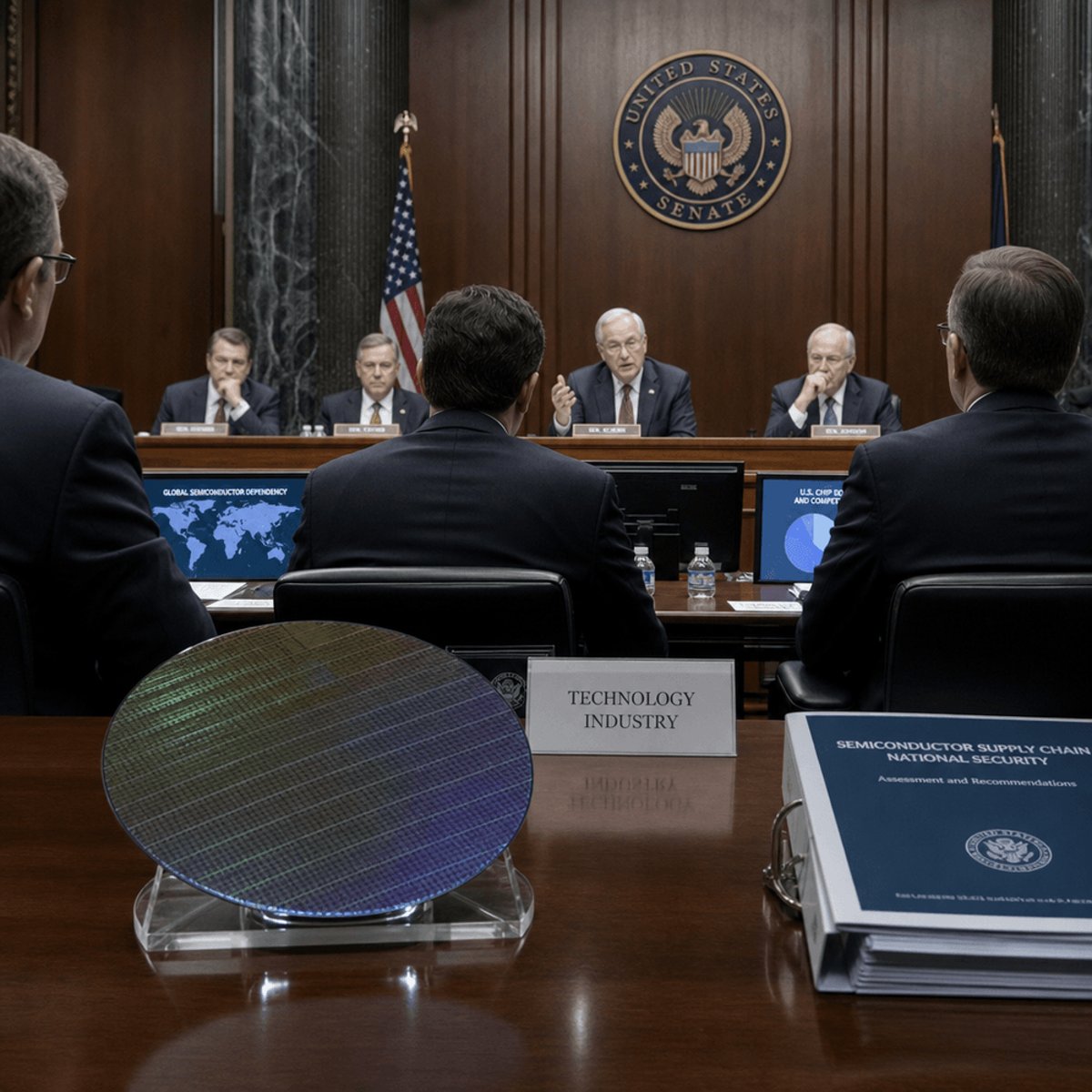
Nvidia CEO Jensen Huang is facing a high-stakes invitation to testify before Congress as Senator Elizabeth Warren ratchets up scrutiny over the chip giant's sales to China. The Massachusetts Democrat is pressing Huang on export control compliance, Chinese revenue streams, and data center policies amid mounting concerns that America's AI chip dominance is fueling Beijing's technological ambitions. With Nvidia controlling over 80% of the AI accelerator market, the hearing could reshape how Washington regulates the backbone of the global AI boom.
Nvidia just landed in Washington's crosshairs. Sen. Elizabeth Warren is calling CEO Jensen Huang to Capitol Hill for what's shaping up to be a contentious hearing on the company's China business, marking the most direct congressional challenge yet to the world's most valuable chipmaker.
The invitation comes as Nvidia's H100 and A100 AI accelerators have become the de facto standard for training large language models, putting the company at the center of both America's AI ambitions and escalating tech tensions with China. Warren's focus on export controls isn't academic - it cuts straight to Nvidia's bottom line. The company has previously disclosed that restrictions on chip sales to China could impact billions in revenue from the Asia-Pacific region, though exact figures remain closely guarded.
What makes this hearing particularly thorny is the timing. Nvidia has already navigated multiple rounds of export restrictions, releasing neutered versions of its flagship chips like the A800 and H800 specifically designed to comply with U.S. rules while maintaining access to Chinese customers. But those workarounds have drawn criticism from both sides - hawks say they're too permissive, while industry voices argue they cede market share to domestic Chinese competitors without meaningfully slowing Beijing's AI development.
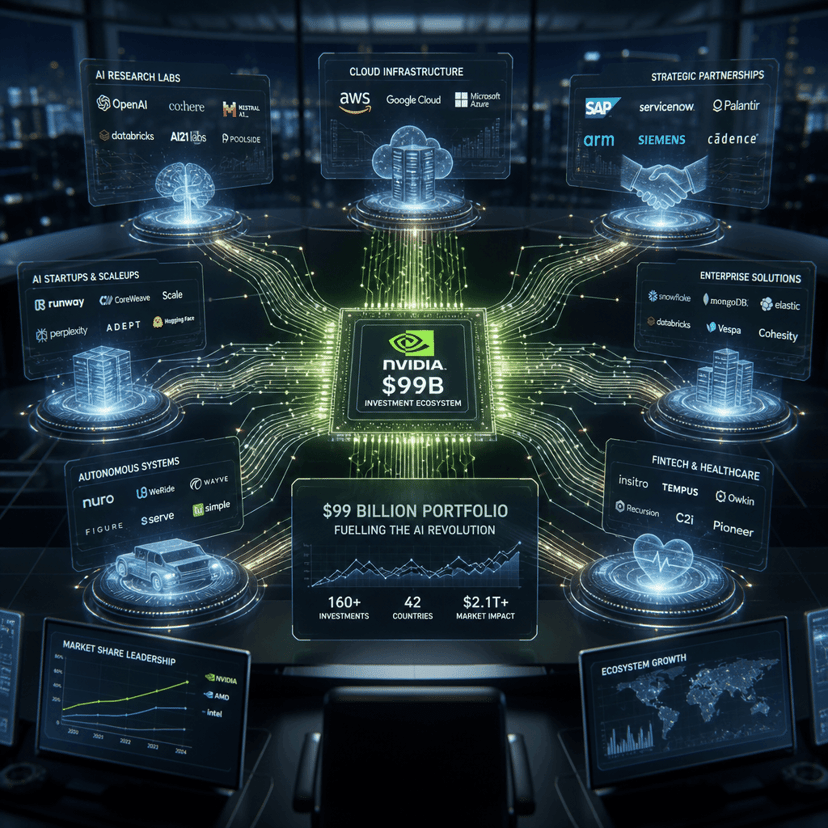
Warren's probe also zeroes in on data center policy, hitting another nerve. Nvidia's CUDA software ecosystem and its grip on AI infrastructure mean that decisions about where chips flow have cascading effects across the global cloud computing landscape. Major hyperscalers like Microsoft, Amazon, and Google have built entire AI platforms around Nvidia's architecture, making any supply disruptions or policy shifts immediately material to trillion-dollar cloud businesses.
The political backdrop is equally complicated. Warren's mention of Trump-era policies suggests she's examining whether previous export control frameworks were too lax or inconsistently enforced. That puts Nvidia in the awkward position of defending its compliance under multiple administrations while facing potential calls for even stricter future restrictions.
For Huang, who's spent the past year on a victory lap as Nvidia's market cap soared past $3 trillion, the hearing represents a sharp pivot from quarterly earnings celebrations to defending the company's geopolitical posture. His testimony will likely need to thread a needle - demonstrating robust compliance to satisfy national security hawks while avoiding commitments that would crater Nvidia's ability to compete in what remains a massive Chinese market for AI infrastructure.
The broader chip industry is watching closely. If Warren's hearing produces new legislative momentum for tighter export controls, it won't just hit Nvidia. AMD and Intel both sell AI-capable chips to Chinese customers, while equipment makers like Applied Materials and Lam Research depend heavily on Chinese semiconductor manufacturing customers. Any precedent set in Huang's testimony could ripple across the entire sector.
What's at stake goes beyond quarterly revenue. Congress is essentially asking whether the same technology powering ChatGPT and American AI leadership should be available to Chinese research labs and tech giants. Nvidia's response will help define the boundary between commercial opportunity and national security risk in the AI era.
Industry analysts note that even the appearance of regulatory tightening can spook investors and partners. Nvidia's stock has proven sensitive to China policy headlines in the past, and a confrontational hearing could trigger volatility regardless of any concrete policy changes. For enterprise customers planning multi-year AI infrastructure investments, uncertainty about chip availability and compliance requirements complicates decision-making.
The hearing also puts a spotlight on enforcement gaps. Export controls are only effective if they're monitored and violations prosecuted. Warren's questions about Trump-era policies suggest she may probe whether Nvidia or its distributors have adequately prevented chips from reaching restricted Chinese entities through third-party channels - a persistent concern among national security officials.
Huang's appearance before Congress will test whether Nvidia can maintain its balancing act: satisfying U.S. security concerns without sacrificing access to one of the world's largest markets for advanced computing. It's a position no CEO wants to be in, but one that comes with the territory when your chips are powering the most consequential technology race of the decade.
Warren's summons to Jensen Huang signals that Nvidia's China business is no longer just a financial question - it's a political one. As Congress weighs the trade-offs between commercial interests and national security in the AI chip wars, Huang's testimony could set precedents that reshape not just Nvidia's strategy but the entire semiconductor industry's relationship with its second-largest market. For investors, customers, and competitors alike, the hearing will offer rare public insight into how Washington plans to regulate the technology powering the AI revolution. What happens on Capitol Hill won't stay there - it'll echo through data centers, earnings calls, and chip design decisions for years to come.