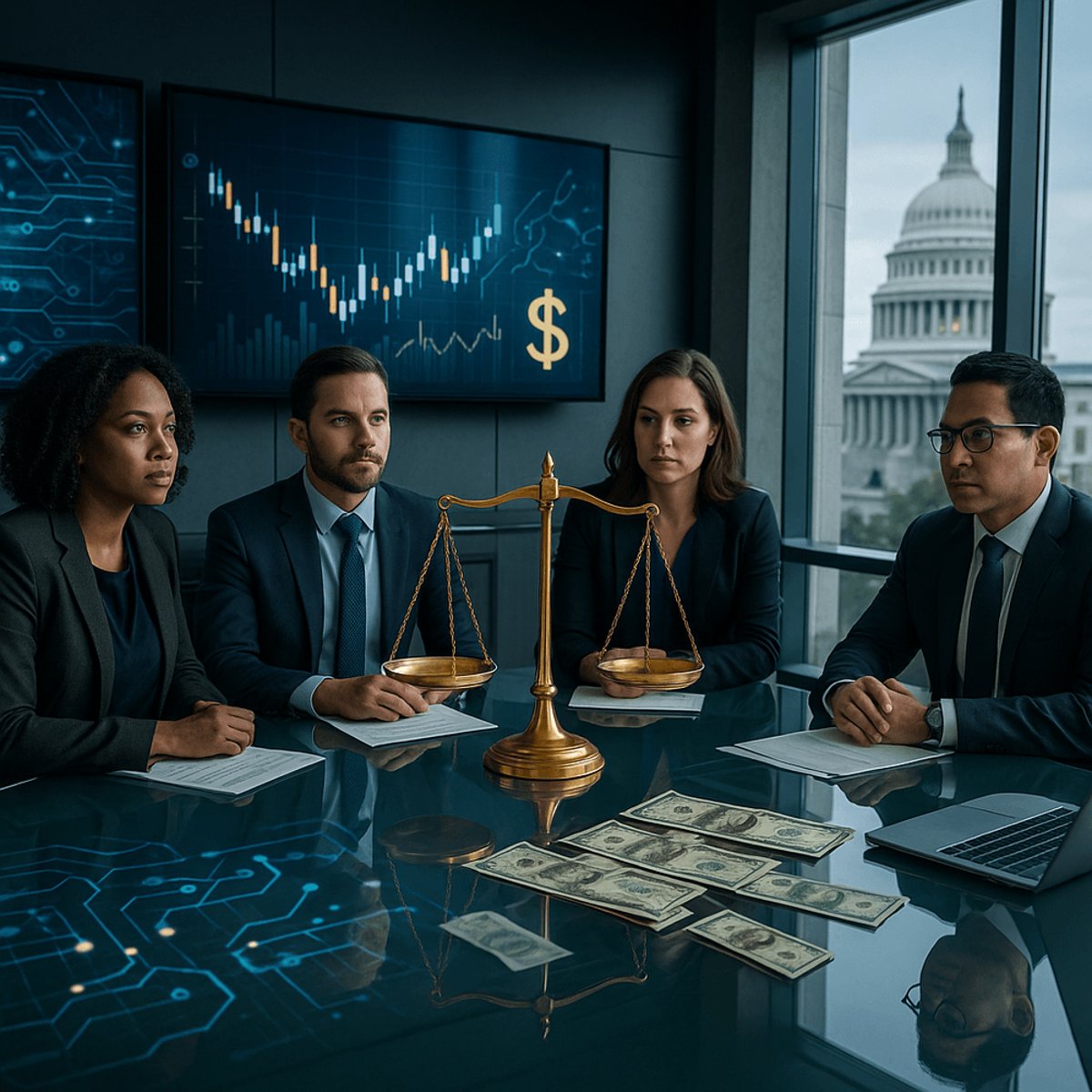
The AI industry just showed how seriously it takes the threat of regulation. A tech billionaire-backed super PAC is pouring $125 million into defeating congressional candidates who support AI oversight, with New York's Alex Bores - himself a former tech executive - emerging as a primary target. The unprecedented spending reveals Silicon Valley's aggressive new playbook for shaping policy before it reaches the House floor, marking a dramatic escalation in the battle over who controls AI's future.
The gloves are off in the fight over AI regulation. A super PAC backed by tech billionaires is deploying a stunning $125 million war chest specifically to undercut congressional candidates who've voiced support for AI oversight - and they're not being subtle about it.
Alex Bores, a former tech executive now running for Congress in New York, finds himself squarely in the crosshairs. The irony isn't lost on anyone - a candidate who built his career in tech is now being targeted by the industry's biggest players for daring to suggest that maybe, just maybe, the technology needs some guardrails.
The spending marks a watershed moment in tech's relationship with Washington. While Google, Meta, and Amazon have long maintained robust lobbying operations, this represents something different entirely - a coordinated, well-funded effort to shape Congress before legislation even reaches committee hearings.
Bores isn't alone on the target list, but his background makes him particularly threatening to AI companies. Unlike typical politicians who might struggle to grasp the technical nuances of large language models or neural networks, Bores speaks the language. He knows how the sausage gets made, which makes his calls for regulation all the more credible to voters and fellow lawmakers.
The $125 million figure dwarfs previous tech political spending in congressional races. For context, most House races see total spending from all sources in the single-digit millions. The super PAC is essentially carpet-bombing select districts with ads, mailers, and digital campaigns designed to paint pro-regulation candidates as anti-innovation and anti-jobs.
Industry insiders say the strategy reflects genuine panic about regulatory momentum. The European Union's AI Act already set a global precedent, and bipartisan concern about AI safety has been growing in Washington - a rare point of agreement in an otherwise polarized environment. Companies like OpenAI and Anthropic have publicly called for some regulation, but this super PAC spending suggests a significant faction of the industry wants to keep Washington's hands off entirely.
The timing is deliberate. By targeting candidates now, the industry hopes to either defeat them outright or force them to soften their stances before they reach Congress. It's a preemptive strike designed to shape the legislative landscape for years to come.
Bores, for his part, has doubled down on his regulatory stance. His campaign argues that his tech background gives him unique insight into where oversight is actually needed versus where it would stifle innovation - a nuanced position that gets lost in the super PAC's attack ads.
The spending also raises thorny questions about money in politics and regulatory capture. When an industry can deploy nine-figure sums to influence who makes the laws governing it, the democratic process starts to look more like an auction. Campaign finance experts are already calling for disclosure rules that would reveal exactly which tech companies and executives are funding the effort.
But disclosure might come too late to matter. By the time voters figure out who's behind the ads, the primaries could be over. That's the whole point of the super PAC structure - it allows massive spending with minimal transparency and maximum impact.
The situation puts other tech-savvy candidates in a bind. Do they moderate their positions on AI regulation to avoid becoming the next target? Or do they risk having tens of millions spent against them? Several potential candidates have reportedly already adjusted their platforms, a chilling effect that the super PAC likely considers money well spent.
This isn't just about one race in New York or even a handful of candidates nationwide. The $125 million super PAC represents a fundamental test of whether Silicon Valley can buy its way out of regulation before the regulatory conversation even begins. If the strategy works - if pro-oversight candidates lose or moderate their positions - expect the playbook to be replicated in every future election cycle. The AI industry is making a calculated bet that shaping Congress now is cheaper than dealing with regulation later. Whether voters see through the spending blitz could determine not just who represents them, but who actually controls the future of artificial intelligence in America.