Microsoft just showed off two new Surface devices at its Build conference that mark a serious hardware pivot. The Surface Laptop Ultra and Surface RTX Spark Dev Box both pack Nvidia's RTX Spark chips, but they're playing very different roles in Microsoft's strategy. This isn't about gimmicks or transforming hinges - it's a direct challenge to Apple's MacBook Pro dominance, wrapped in a developer-focused AI story that could reshape how we think about Windows hardware.
Microsoft is making its move. At the company's Build conference this week, two new Surface devices emerged that signal a fundamental shift in how Redmond thinks about hardware. The Surface Laptop Ultra and Surface RTX Spark Dev Box share the same silicon heart - Nvidia's RTX Spark chips - but they're attacking very different battles.
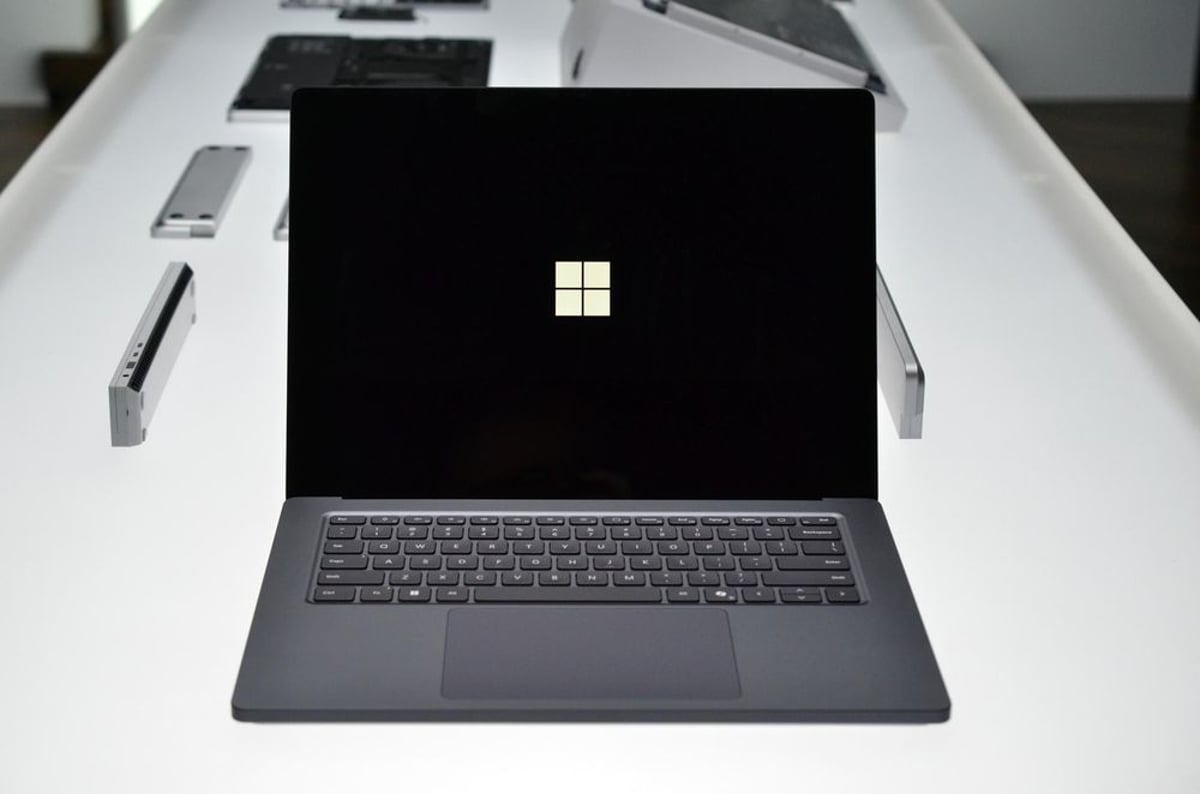
The Surface Laptop Ultra doesn't hide its influences. Tom Warren from The Verge got hands-on time and noted it "looks and feels very much like a 16-inch MacBook Pro." That's not an accident. Microsoft ditched the Surface Book's detachable screen tricks and the Surface Laptop Studio's complex hinges for something simpler - a straightforward clamshell that prioritizes raw performance. The 15-inch mini LED panel pushes 2,000 nits of brightness, putting it in direct competition with Apple's ProMotion displays.
But the real story here isn't about copying Apple's homework. It's about what Nvidia's RTX Spark enables. These aren't just faster laptops - they're AI workstations disguised as consumer devices. The RTX Spark architecture brings dedicated neural processing units that can handle on-device AI tasks without melting your lap or draining the battery in 90 minutes.
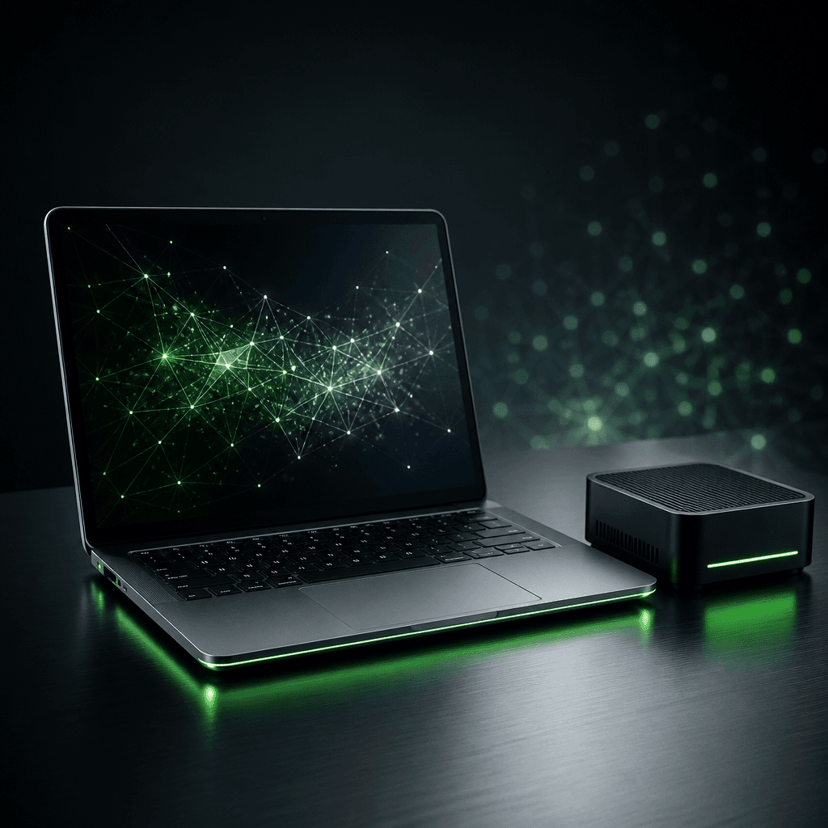
The Surface RTX Spark Dev Box tells a different story with the same chip. While the Laptop Ultra chases creative professionals and power users, the Dev Box targets developers who need to compile code, run containerized workloads, and test AI models locally. It's the same silicon strategy Apple used with its M-series chips - one architecture across multiple form factors, each optimized for specific workflows.
This dual-device launch reveals Microsoft's hardware playbook for the AI era. The company isn't just slapping "AI PC" stickers on existing designs. They're building machines where AI acceleration is fundamental to the experience, not a marketing afterthought. The RTX Spark chips give Microsoft something it hasn't had in years - a genuine performance story that doesn't involve apologizing for thermal throttling or battery life.
The timing matters too. Apple has owned the premium laptop market for years with its M-series MacBooks, while Microsoft's Surface line struggled to find a consistent identity beyond "pretty Windows laptops." The Surface Laptop Ultra's MacBook Pro-inspired design isn't surrender - it's Microsoft saying they can finally compete on performance, not just aesthetics.
Developers at Build got the first look, which makes sense. Microsoft needs the dev community to build experiences that actually use these AI capabilities. Empty promises about AI hardware mean nothing without software that takes advantage of it. The Dev Box positioning suggests Microsoft learned from the Windows on ARM saga - get developers on the hardware early, make sure their tools work, then scale to consumers.
Both devices ship later in 2026, according to Warren's hands-on report. That gives Microsoft time to work out software kinks and build the ecosystem, but it also gives competitors like Apple and Dell time to respond. The mini LED display tech isn't exclusive to Microsoft, and Nvidia sells chips to anyone with a purchase order.
What Microsoft does have is Windows integration. The RTX Spark devices will presumably get first-class support for whatever AI features ship in future Windows updates. That's the real moat - not the hardware specs, but the software stack that makes the AI acceleration useful for everyday tasks.
The Surface line has always been Microsoft's way of showing PC makers what Windows hardware should be. These RTX Spark devices send a clear message - AI isn't coming to PCs, it's already here, and the hardware needs to evolve accordingly. Whether the rest of the industry follows Microsoft's lead or charts their own course will define the next generation of Windows laptops.
Microsoft's dual RTX Spark launch isn't just about new laptops - it's a bet that AI-accelerated hardware will define the next decade of computing. By targeting both creative professionals with the Laptop Ultra and developers with the Dev Box, Microsoft is hedging against an uncertain future where nobody quite knows what AI PCs will actually do. The MacBook Pro design language shows Microsoft finally has the confidence to compete directly with Apple on performance, not just novelty features. Whether these devices succeed depends less on the hardware specs and more on whether Microsoft can deliver software experiences that justify the AI silicon. The rest of the PC industry is watching closely, because if Microsoft gets this right, every laptop maker will follow.