AI shopping assistants are no longer a novelty - they're becoming a revenue engine. Adobe just dropped data showing AI-driven traffic to U.S. retail sites exploded 393% in Q1 2026, with March alone seeing a 269% spike. But here's the kicker: these AI shoppers aren't just browsing, they're converting at higher rates and spending more than traditional visitors, signaling a fundamental shift in how Americans shop online.
Adobe just confirmed what retailers have been whispering about for months - AI shopping assistants have moved from experimental to essential. The company's latest analytics reveal AI-driven traffic to U.S. e-commerce sites skyrocketed 393% during the first quarter of 2026 compared to the same period last year, with March alone posting a 269% year-over-year increase.
But the real story isn't just about traffic volume. These AI-powered visits are converting better and generating more revenue than traditional shoppers, according to data Adobe pulled from its Analytics platform tracking billions of retail transactions. That's a critical distinction - retailers aren't just seeing more AI bots poking around, they're seeing actual purchases with higher average order values.
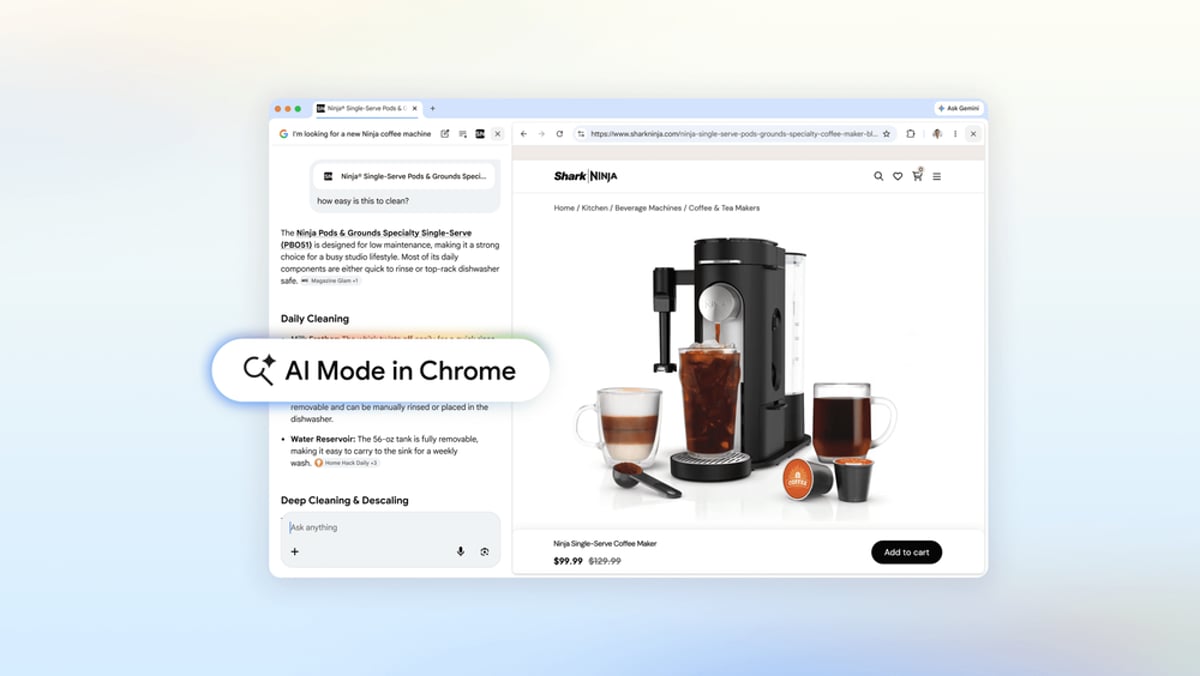
The surge reflects the rapid mainstream adoption of what the industry calls "agentic commerce" - AI assistants that can research products, compare prices, and complete purchases on behalf of users. Think ChatGPT browsing Amazon or Google's AI Overview sending shoppers directly to checkout pages instead of forcing them through traditional search results.
Retailers have scrambled to adapt. Over the past year, major players from Walmart to Target rolled out AI shopping assistants, while startups like Perplexity launched dedicated shopping features. The infrastructure shift is massive - retailers are rebuilding product catalogs, optimizing for AI scraping, and creating structured data feeds specifically designed for large language models to parse.
Adobe's data suggests those investments are paying off faster than expected. The 393% Q1 growth rate far exceeds earlier projections from retail analysts, who'd estimated AI traffic might double year-over-year. Instead, it nearly quintupled in just three months.
The conversion advantage is particularly striking. While Adobe didn't release exact figures, the company indicated AI-driven shoppers show stronger purchase intent and less browsing friction. That makes sense - an AI assistant researching "best noise-canceling headphones under $300" has already filtered through reviews and specs before hitting a retailer's site, arriving with near-purchase intent.
This creates a new competitive dynamic. Retailers now need to optimize not just for human eyeballs and Google's search algorithm, but for dozens of AI shopping agents with different parsing methods and ranking criteria. Shopify merchants are already testing AI-friendly product descriptions, while enterprise retailers experiment with API integrations that feed inventory directly to AI platforms.
The revenue implications are substantial. If AI traffic continues growing at this pace while maintaining higher conversion rates, retailers could see AI-driven sales represent 15-20% of total e-commerce revenue by year-end, up from an estimated 3-4% in Q4 2025. That would represent one of the fastest channel shifts in retail history.
Not everyone's winning though. Smaller retailers without resources to optimize for AI discovery risk getting left behind as traffic concentrates among AI-friendly sites. The digital divide that once separated online and offline retailers now runs between AI-optimized and traditional e-commerce operations.
Adobe's timing matters too. The company is pushing its own AI commerce tools through Adobe Experience Cloud, positioning itself as the infrastructure provider for this transition. Expect competitors like Salesforce and Oracle to rush out their own AI commerce metrics soon.
The data also raises questions about attribution and analytics. When an AI assistant researches on one platform but drives purchases on another, who gets credit? Traditional marketing funnels assumed human decision-making processes - AI intermediaries break those models entirely.
Retail executives are already adjusting strategies. Several major chains reportedly shifted Q2 marketing budgets toward AI platform partnerships and away from traditional search advertising, betting that AI agents will increasingly mediate discovery and purchase decisions.
The 393% surge in AI retail traffic isn't just a metric - it's a signal that the shopping experience is being rebuilt from scratch. Retailers who treat this as a passing trend risk obsolescence, while those investing in AI-friendly infrastructure and structured data are positioning themselves as default choices for the AI assistants that increasingly mediate consumer purchases. The question isn't whether AI will reshape retail, but whether traditional retailers can adapt fast enough to capture their share of this exploding traffic before AI-native competitors do it for them.