The All-In podcast's premium $1,200 tequila is finally reaching customers after a five-month shipping nightmare. What was supposed to be a summer delivery turned into a holiday season arrival, with handcrafted poker chip-inspired bottles causing the extensive delays that left 750 buyers waiting since June.
The venture capital world's most expensive beverage experiment is finally making its way to customers. All-In podcast hosts' $1,200 tequila bottles started shipping last week, ending a saga that's tested the patience of 750 high-paying customers since June.
Jason Calacanis, one of the podcast's four hosts alongside Chamath Palihapitiya, David Sacks, and David Friedberg, confirmed the shipments began after months of delays. "Handcrafted bottles took a bit longer to create than expected, but the bottles started shipping last week!" he told TechCrunch.
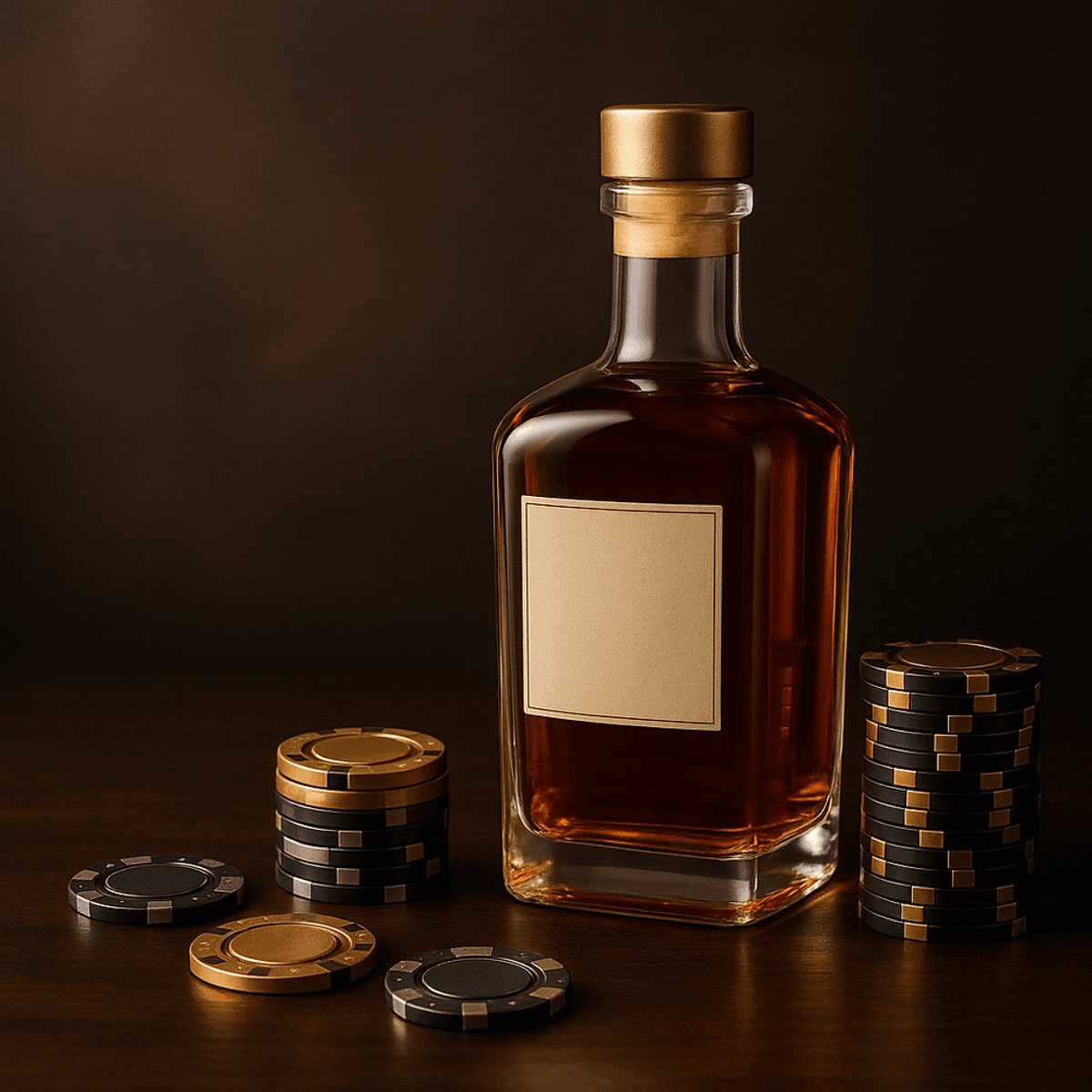
The holdup wasn't the tequila itself - it was the ambitious bottle design. Crafted to look like illuminated poker chips stacked on top of each other, the collector's item pays homage to the hosts' well-known love of both high-stakes poker and premium spirits. But that Instagram-worthy aesthetic came at a cost that customers are just now realizing.
When Besties All-In launched at a star-studded party in June, the entire 750-bottle run sold out immediately, generating $900,000 in revenue before anyone had tasted a drop. Buyers were promised delivery by summer's end - a timeline that now looks wildly optimistic.
What followed was a masterclass in how not to manage customer expectations. Delivery dates shifted from August to October, then November, with some customers receiving letters indicating shipments wouldn't arrive until "after November." Flaviar, the spirits marketplace handling distribution, became the messenger for increasingly frustrated customers who'd already paid not just the $1,200 price tag but additional taxes and fees.
The delays exposed the production challenges of creating a luxury consumer product, even for venture capitalists used to scaling tech companies. Unlike software, you can't iterate and ship handcrafted bottles in two-week sprints. The poker chip design required specialized manufacturing that couldn't be rushed, regardless of customer complaints or media attention.
TechCrunch readers reported receiving multiple delay notifications, with the official website quietly updating its delivery promise from "end of summer" to "shipments begin in November." The shifting timeline became a running joke in venture capital circles, where the hosts are better known for their investment acumen than supply chain management.
Flaviar's approach of batch fulfillment means some customers are still waiting, though the company hasn't responded to requests for a completion timeline. For a distributor used to handling standard wine and spirits bottles, the custom poker chip design likely presented unique packaging and shipping challenges.
The tequila saga highlights how even successful tech personalities can stumble when venturing into physical products. While the All-In hosts have collectively deployed billions in venture capital and built successful companies, manufacturing and distributing a luxury consumer good requires entirely different expertise and patience.
Still, the eventual delivery validates the brand power of the All-In podcast, which has become one of tech's most influential shows. Despite the delays, there's no indication customers have demanded refunds, suggesting the "besties" brand loyalty runs deep enough to survive a few months of shipping frustration.
The All-In tequila shipping saga serves as a reminder that even venture capital titans face the same production realities as any consumer brand. While the delays frustrated customers, the eventual fulfillment proves there's real demand for premium products from trusted media personalities. As the hosts continue building their media empire, this experience likely provides valuable lessons about setting realistic expectations and the complexities of physical product manufacturing - knowledge that could prove useful for their portfolio companies venturing into consumer goods.