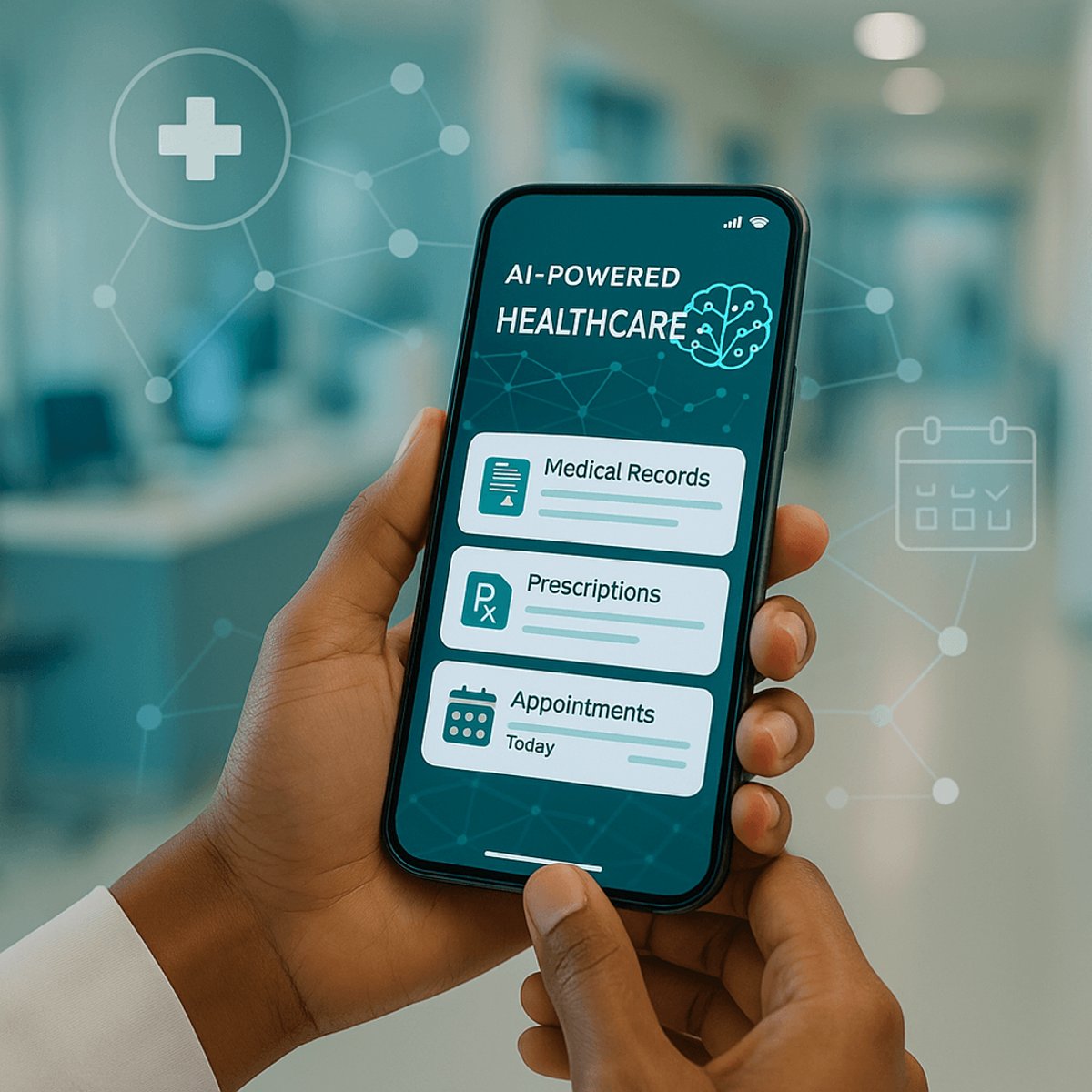
Amazon just turned every Prime member into a connected patient. The company's new Health AI agent, rolling out today across Amazon's website and mobile app, gives more than 200 million Prime subscribers free round-the-clock access to an AI assistant that can interpret medical records, manage prescription renewals, book appointments, and answer health questions. It's the most ambitious deployment yet of agentic AI in regulated healthcare, and it puts Amazon squarely in competition with traditional telehealth providers and tech giants racing to own the digital health experience.
Amazon is making its biggest bet yet on AI-powered healthcare. The company announced today that its new Health AI agent is live on Amazon.com and the Amazon mobile app, offering Prime members free 24/7 access to a virtual care assistant that goes far beyond simple chatbot functionality.
The Health AI agent represents a major leap in agentic AI deployment. Unlike passive question-and-answer systems, this assistant can take autonomous actions - parsing complex medical records, initiating prescription refills, coordinating appointment bookings with One Medical providers, and explaining health information in plain language. According to Amazon's official announcement, the system integrates directly with Prime members' existing healthcare data when connected.
The timing couldn't be more strategic. Amazon acquired primary care provider One Medical for $3.9 billion in 2023, gaining access to a nationwide network of clinics and a ready-made patient base. Now the company is leveraging that infrastructure to create a seamless digital-to-physical healthcare experience. Prime members can use the AI agent to triage symptoms, understand lab results, and then seamlessly book in-person or virtual appointments with One Medical physicians when needed.
The scale of this rollout is staggering. With over 200 million Prime subscribers globally, Amazon is essentially deploying agentic AI capabilities to a user base larger than most countries' populations. That makes this the most significant real-world test of AI agents in a heavily regulated sector where accuracy and safety aren't just important - they're legally mandated.
The healthcare AI landscape just got a lot more crowded. Google has been testing Med-PaLM, its medical AI model, in limited hospital settings. Microsoft partnered with Epic Systems to embed AI tools in electronic health records. But Amazon's approach is different - it's going straight to consumers with a fully integrated experience that lives where they already shop, stream, and search.
The competitive implications extend beyond tech giants. Traditional telehealth companies like Teladoc and Amwell now face a formidable challenger with deeper pockets, better distribution, and an AI-first approach. Amazon's ability to bundle virtual care into Prime membership - a service consumers already pay for - fundamentally changes the economics of telehealth.
There's also the data question. Amazon is sitting on a goldmine of consumer behavior data, and now it's adding healthcare information to that trove. The company will need to navigate strict HIPAA regulations around medical privacy, but the potential for AI models trained on shopping patterns, health queries, and medical outcomes could give Amazon unique insights into consumer health needs.
The platform's autonomous capabilities raise both opportunities and concerns. Prescription renewal automation could eliminate frustrating administrative delays for patients managing chronic conditions. Appointment scheduling through AI could reduce no-shows and optimize provider calendars. But healthcare advocates are watching closely to ensure AI agents don't make mistakes that could harm patients or create barriers to human care when it's genuinely needed.
Amazon isn't revealing technical details about which AI models power the Health AI agent or how it handles clinical decision-making. The company's track record with Alexa voice assistants and its internal AI research through Amazon Web Services suggests the system likely combines large language models with specialized medical knowledge bases and safety guardrails.
The launch comes as agentic AI moves from buzzword to reality. These systems don't just respond to queries - they take multi-step actions to complete complex tasks. In healthcare, that could mean the difference between telling a patient their prescription is due for renewal versus actually submitting the renewal request to their pharmacy and confirming it's ready for pickup.
For competitors, Amazon's move sets a new baseline. If free AI-powered health assistance becomes a standard Prime benefit alongside free shipping and streaming video, other healthcare providers will need to match that convenience. The pressure is especially acute for health insurers who've invested heavily in member portals and nurse hotlines that suddenly look outdated compared to always-on AI agents.
The regulatory landscape remains murky. The FDA hasn't established clear guidelines for AI health assistants that offer medical guidance but stop short of diagnosis. Amazon is threading a careful needle - positioning the tool as informational and administrative rather than diagnostic. But as these systems become more capable, that distinction may blur.
Amazon's Health AI agent launch represents more than just another AI product release - it's a statement about where consumer healthcare is headed. By embedding autonomous AI capabilities directly into the Prime experience, Amazon is betting that convenience and accessibility will reshape how hundreds of millions of people interact with the healthcare system. Traditional providers now face a wake-up call: adapt to an AI-first model or risk losing patients to platforms that meet them where they already are. The real test won't be whether the technology works, but whether consumers trust Amazon with their most sensitive data and whether the company can navigate the complex regulatory and ethical challenges that come with automating healthcare at massive scale.