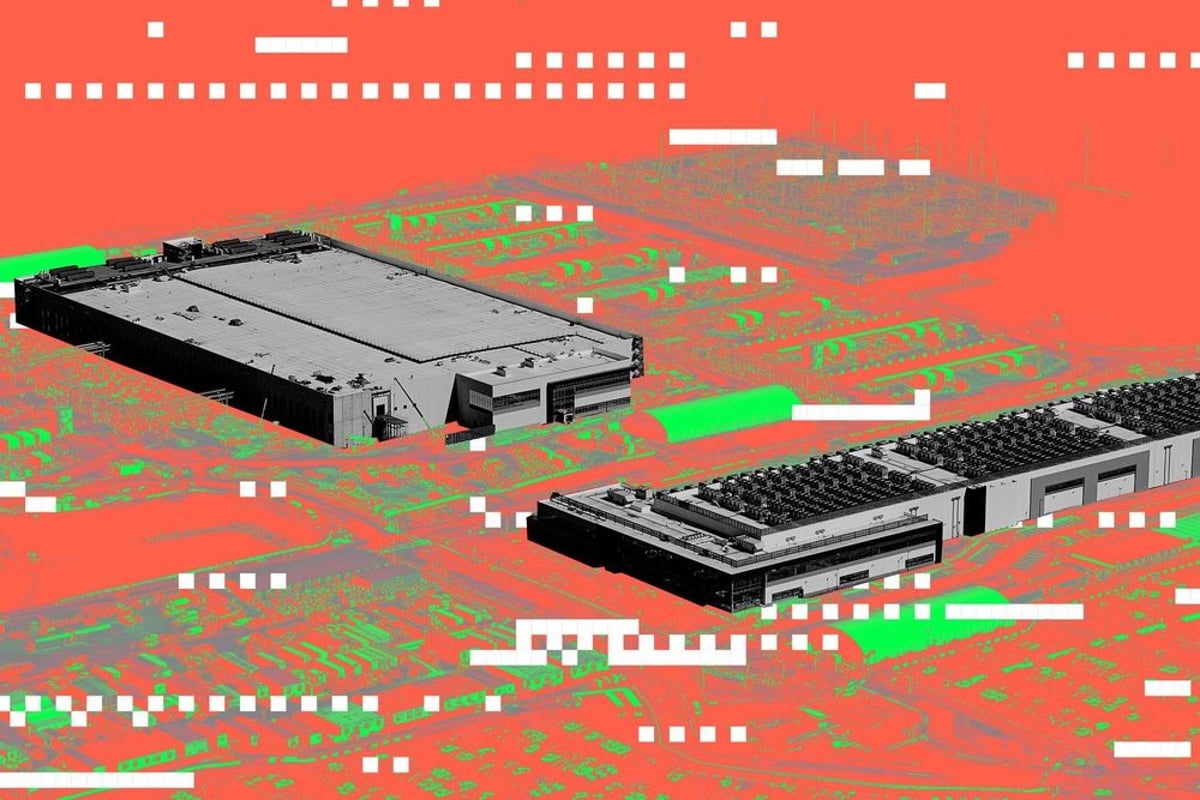
Amazon is bankrolling what could become one of America's largest single sources of greenhouse gas emissions - a massive natural gas power plant in West Texas built exclusively to feed its new data center. The facility in Pecos County won't connect to the state grid. Instead, 35 turbines will pump 7.65 gigawatts directly into Amazon's expanding AI infrastructure, according to reporting by The New York Times. It's a stark illustration of how the AI boom's insatiable appetite for electricity is colliding with climate commitments.
Amazon just made a bet that's sending shockwaves through environmental circles. The company is pouring money into a new gas-burning power plant in West Texas that could rank among the country's worst climate polluters, all to keep a single data center humming.
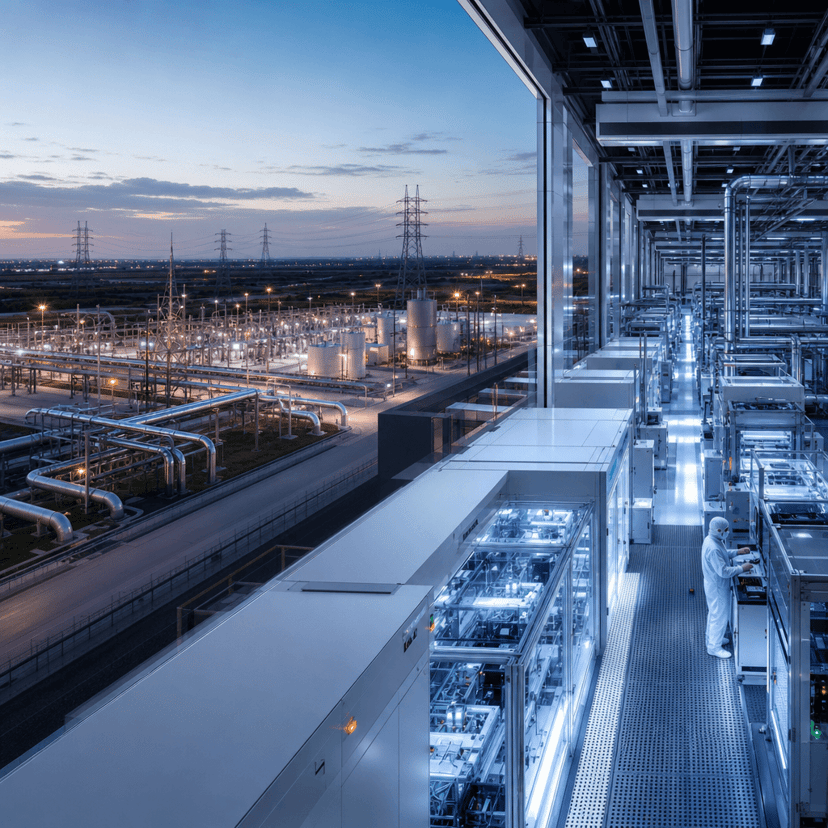
The GW Ranch facility in Pecos County received its permit from Texas regulators and represents a dramatic shift in how tech giants are solving their energy crisis. According to Cleanview, which tracks data center power projects, the plant will deploy 35 natural-gas turbines capable of generating 7.65 gigawatts of electricity. That's roughly equivalent to the output of seven nuclear reactors, all dedicated to a single customer.
What makes this project particularly striking is its isolation. The plant won't feed into Texas' notoriously independent power grid. Instead, it'll operate as a private utility, channeling power directly to Amazon's data center through dedicated transmission lines. It's an arrangement that effectively sidesteps the usual scrutiny that comes with grid-connected facilities.
The New York Times reports this could position the facility as one of the nation's largest single sources of greenhouse gases. That's a troubling distinction for a company that's pledged to reach net-zero carbon by 2040 and has heavily promoted its climate commitments.
But Amazon isn't alone in this energy scramble. The entire tech industry is facing a reckoning as AI workloads explode. Training large language models and running inference at scale requires unprecedented amounts of electricity, and the grid simply can't keep pace with demand. Microsoft recently announced it's exploring small modular nuclear reactors, while Google has invested heavily in geothermal and next-generation fusion startups.
The difference here is timing and scale. Nuclear and renewable projects take years to come online. Natural gas plants can be built relatively quickly, making them the go-to solution for companies that need massive power capacity now, not in 2030.
Texas proved an ideal location for Amazon's gambit. The state has relatively lax environmental regulations, abundant natural gas reserves, and a regulatory framework that allows private power arrangements. Pecos County, located in the oil-rich Permian Basin, already has the infrastructure to support gas-fired generation.
The project highlights a growing tension in the tech sector. Companies have spent years touting their sustainability credentials, signing power purchase agreements for wind and solar, and publishing glossy climate reports. But when push comes to shove and AI infrastructure demands immediate, reliable baseload power, those commitments get tested.
Industry watchers note that Amazon Web Services, the company's cloud division, is in a fierce race with Microsoft Azure and Google Cloud for AI supremacy. Winning that race means having the compute capacity to train and deploy models at scale. And compute capacity requires electricity - lots of it, right now.
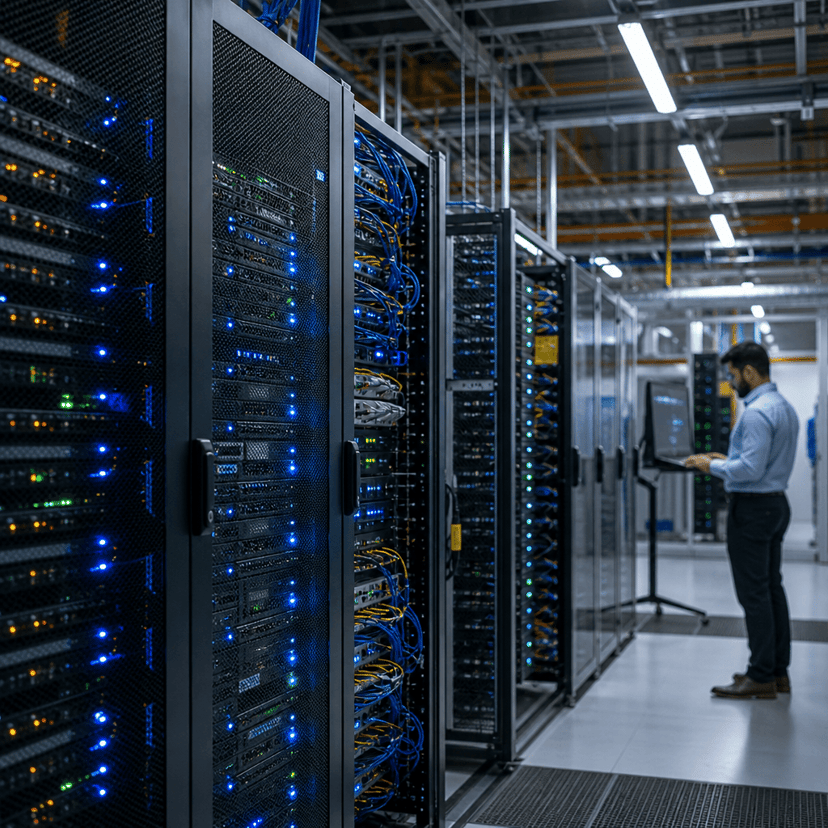
According to data center industry analysts, a single large-scale AI training cluster can consume as much power as a small city. Multiply that across the dozens of facilities Amazon operates globally, and the energy math gets staggering quickly.
The GW Ranch project also raises questions about environmental justice. Pecos County has a population of just over 15,000 people. Local residents will live with the air quality impacts while the benefits - cloud computing services and AI capabilities - flow to customers thousands of miles away.
What happens next could set a precedent. If Amazon's Texas gambit succeeds, expect other cloud providers to pursue similar off-grid arrangements. The alternative - waiting years for renewable capacity or nuclear plants - means ceding ground to competitors in the AI race.
For now, the facility is moving forward. Construction timelines weren't disclosed, but natural gas plants typically take 2-3 years from permitting to operation. That means Amazon's West Texas data center could be operational by late 2028 or early 2029, just as the next wave of AI models demands even more computing power.
Amazon's West Texas power play crystallizes the central dilemma facing Big Tech in the AI era. Climate pledges and sustainability reports look great in annual filings, but when the race for AI dominance demands gigawatts of immediate, reliable power, the industry defaults to what works now - even if it means building one of America's dirtiest power plants. The real test isn't whether companies can talk about net-zero targets, it's whether they can actually build the AI infrastructure of tomorrow without sacrificing the climate commitments of today. Right now, that test is failing in a remote corner of Texas.