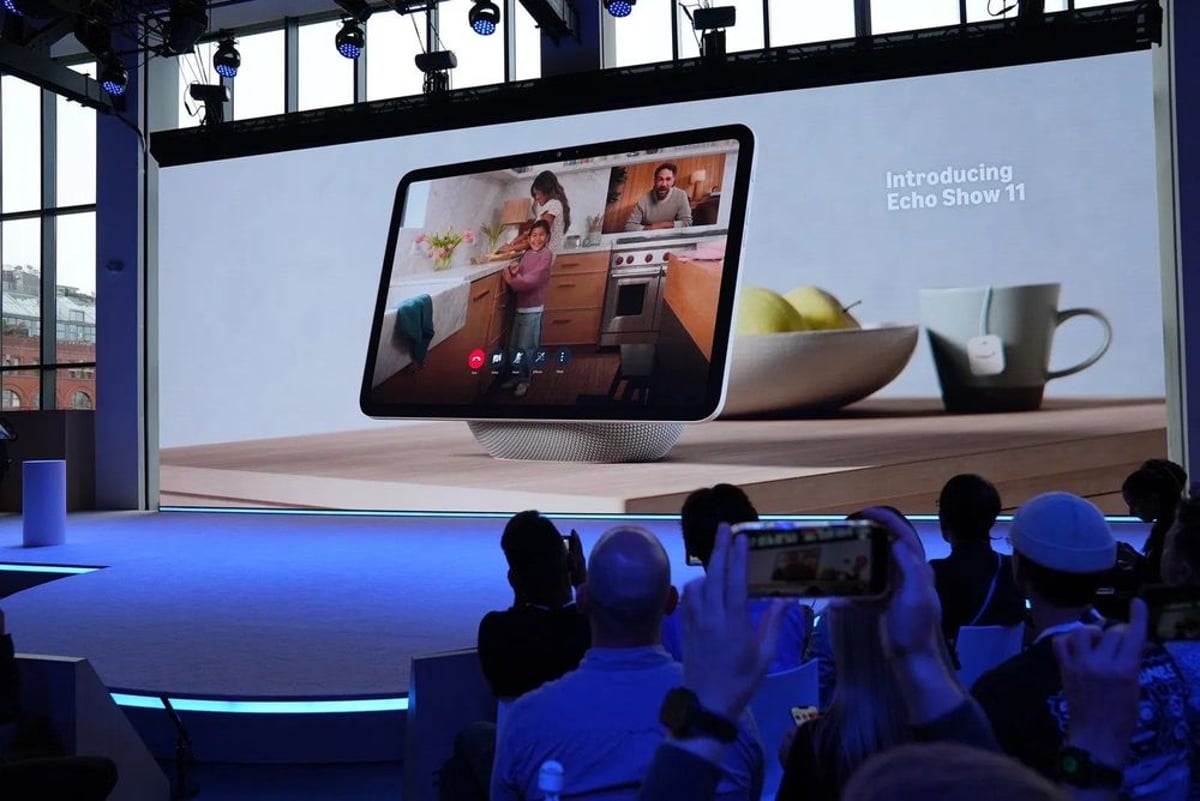
Amazon just unveiled two redesigned smart displays at its fall hardware event - the Echo Show 8 ($179.99) and first-ever Echo Show 11 ($219.99). Both devices feature slimmer profiles, upgraded cameras, and run Amazon's new Alexa Plus AI assistant powered by large language models, marking the company's biggest Echo refresh since the pivot away from motorized screens.
Amazon just shook up the smart display market with two sleek new devices that signal the company's serious push into AI-powered home assistants. The Echo Show 8 and Echo Show 11, unveiled during Tuesday's fall hardware event, represent Amazon's most significant design overhaul since it abandoned the motorized screens that defined earlier generations.
The timing isn't coincidental. These launches come after Amazon spent months demoing its upgraded Alexa Plus AI capabilities on older hardware, building anticipation for devices actually designed to showcase the new LLM-powered assistant. Now users get purpose-built hardware that matches the software ambitions.
Both displays ditch the chunky aesthetic that made previous Echo Shows feel more like kitchen appliances than premium tech. The bezels have shrunk significantly around the screens, though they're not completely edge-to-edge - Amazon needs space for the 13-megapixel cameras positioned above each display. The overall effect creates what the company clearly hopes will be a more premium look that can compete with tablets and other smart home displays.
The speaker design gets a complete rethink too. Instead of front-facing audio, both new Shows feature rounded oblong speakers positioned behind the displays and wrapped in 3D knit fabric. The screens mount slightly above and away from these speakers, theoretically improving both sound projection and microphone pickup for voice commands - crucial for an AI assistant that needs to understand natural language better than ever.
Pricing positions both devices aggressively in the market. The Echo Show 8, refreshed from its 2023 version, costs $179.99, while the brand-new Echo Show 11 - essentially replacing the discontinued Echo Show 10 from 2021 - comes in at $219.99. That puts them squarely in mainstream territory, not the premium pricing Amazon used for larger displays like the Echo Show 21.
The real story here isn't just hardware - it's Amazon's bet that AI will finally make smart displays essential rather than nice-to-have. The original Echo Show launched in 2017 with a wedge-shaped design and 7-inch screen, but the category has struggled to find its killer use case beyond video calls and kitchen timers.
Amazon's tried different approaches over the years. The motorized Echo Show 10 could pivot to follow users around rooms, while the picture frame-style Echo Show 15 tried blending into home decor. The massive Echo Show 21 even competed directly with Fire TV streaming devices.
Now Amazon's betting that conversational AI changes everything. Instead of simple commands, Alexa Plus can handle complex requests, understand context, and maintain longer conversations. That makes the visual interface more valuable - users can see information, control smart home devices, and interact with AI in ways that pure voice assistants can't match.
The competitive landscape has shifted too. Google continues pushing its Nest Hub lineup, while Meta explores Portal alternatives and even Apple rumor mill suggests renewed interest in home displays. Amazon needs these new Echo Shows to not just work better, but look like they belong in modern homes.
For Amazon, success here matters beyond just device sales. Smart displays serve as command centers for the company's broader ecosystem - they sell more Echo devices, drive Prime subscriptions, and create stickiness around Amazon's services. With AI capabilities that can actually understand and respond to natural requests rather than rigid commands, these displays could finally justify their screen real estate.
The launch timing also suggests confidence in Alexa Plus reliability. Amazon spent the early part of 2025 demonstrating AI features on existing hardware, working out bugs and training the system on real user interactions. Rolling out purpose-built hardware now indicates the company believes its LLM-powered assistant is ready for mainstream deployment.
Amazon's Echo Show refresh represents more than just iterative hardware updates - it's a calculated bet that AI will finally unlock the smart display category's potential. With Alexa Plus providing genuinely conversational interactions and sleeker designs that actually look modern, these devices could shift from kitchen curiosities to essential smart home hubs. The real test will be whether consumers embrace AI-powered displays enough to justify Amazon's continued investment in a category that's struggled to find mainstream adoption despite years of refinement.