The entrepreneurs who sold Anchor to Spotify for $340 million just dropped their next big bet: Oboe, an AI-powered learning platform that generates personalized courses on any topic in seconds. The startup already closed a $4 million seed round, signaling serious investor confidence in AI-driven education disruption. (72 words)
The co-founders who sold Anchor to Spotify for $340 million are back with their most ambitious project yet. Nir Zicherman and Michael Mignano just launched Oboe, an AI-powered educational platform that's already turning heads in Silicon Valley with its ability to generate personalized learning courses on virtually any topic within seconds.
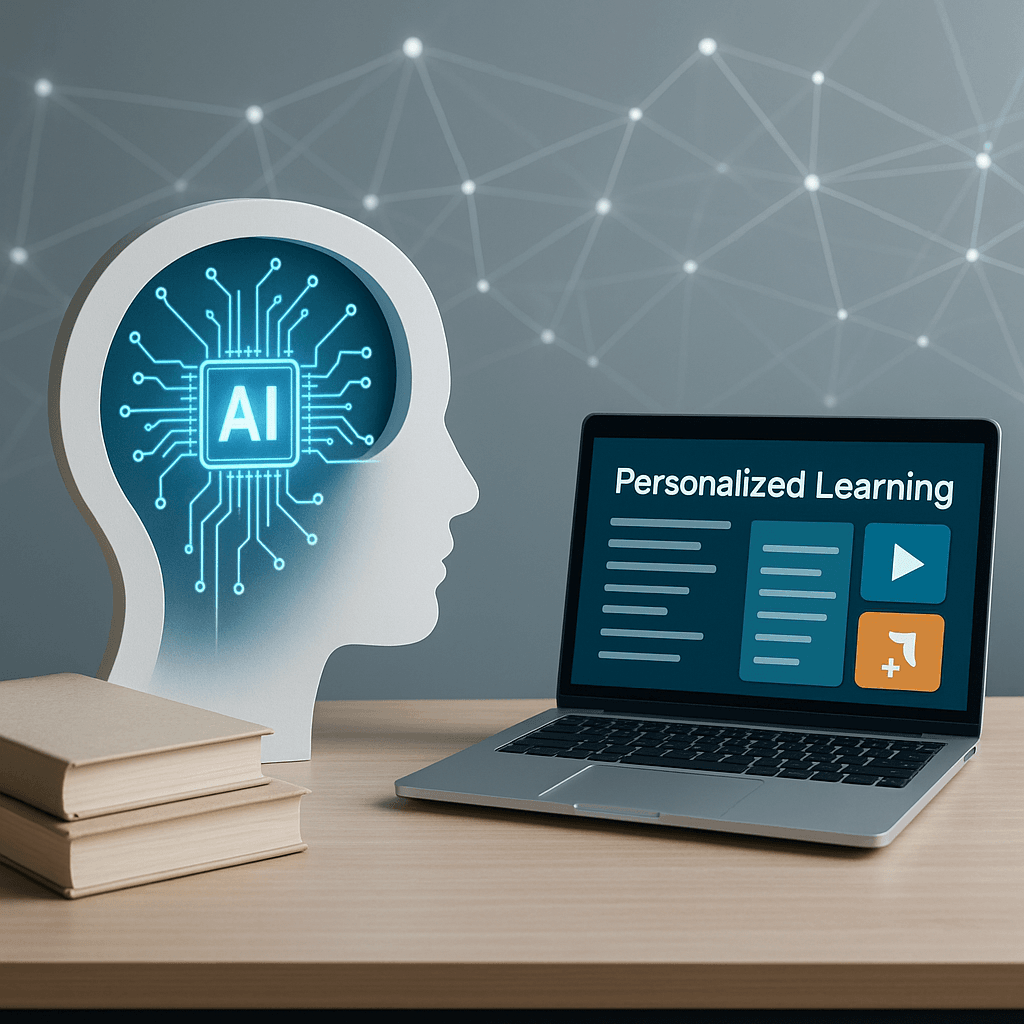
The timing couldn't be better. As traditional education struggles with personalization at scale, Oboe promises to democratize learning by letting anyone type a simple prompt and receive a complete course tailored to their preferred learning style. "The real magic here comes from an internal architecture that we've built that I would describe as a complex, multi-agent architecture," Zicherman told TechCrunch, explaining how their system orchestrates multiple AI agents in parallel to create high-quality content instantly.
What sets Oboe apart from the crowded AI education space isn't just its speed - it's the variety. The platform launches with nine distinct course formats, from university-style audio lectures to interactive games and visual learning experiences. Two audio formats particularly stand out: one mimics traditional lectures while another creates Google NotebookLM-style conversations between two AI hosts diving deep into topics.
Zicherman's inspiration came during his time scaling Spotify's audiobooks business after the Anchor acquisition. "So much of the time that we spend on the internet these days is spent trying to better understand things, but the truth is that the internet was built to grab our attention, not to teach effectively," he explained to TechCrunch.
The technical architecture behind Oboe is impressive. Multiple AI agents work simultaneously - some developing course structure, others verifying content accuracy, and specialized agents pulling real images from the internet rather than AI-generated visuals. Content auditing agents ensure courses meet quality standards while remaining personalized to each user's learning goals.