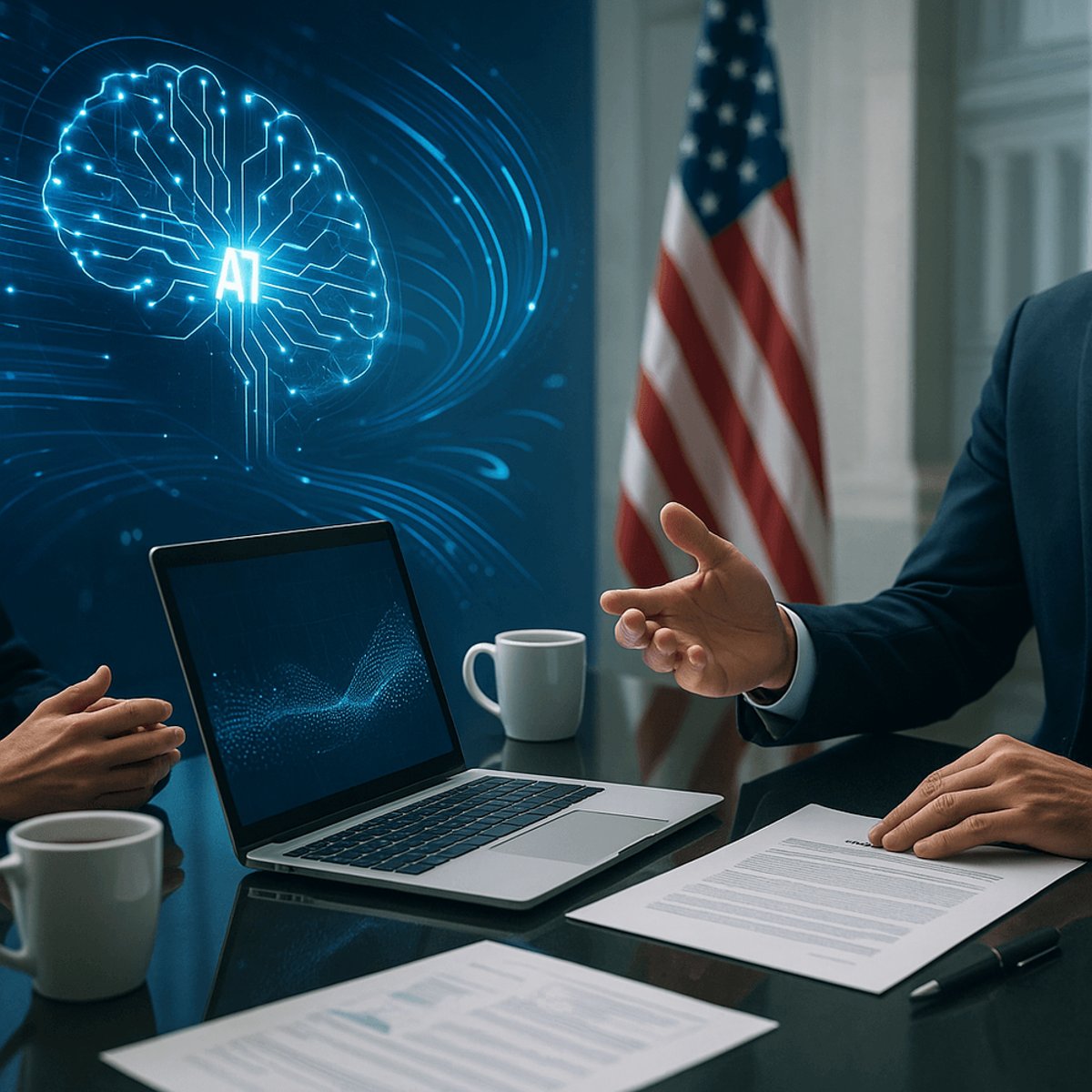
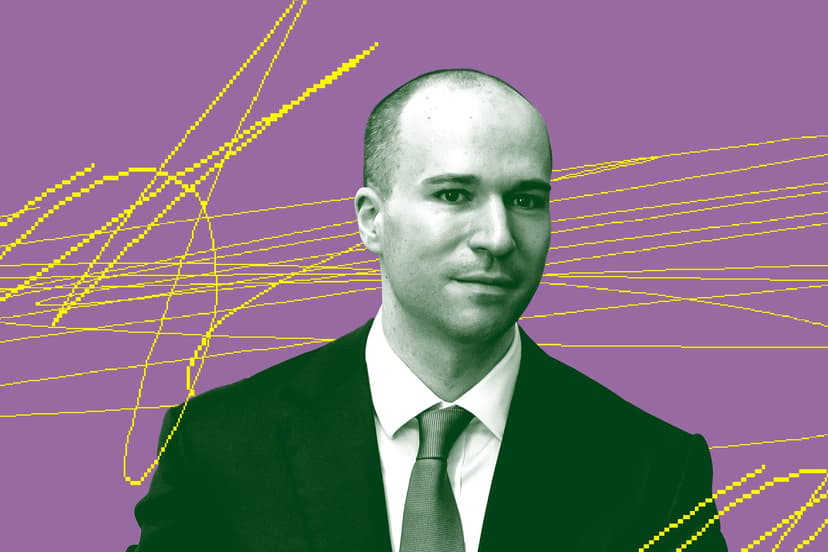
Anthropic is back in discussions with the U.S. Department of Defense just days after negotiations collapsed, according to a Financial Times report. CEO Dario Amodei has returned to the negotiating table with Pentagon officials, reviving talks that broke down on Friday. The renewed discussions put Anthropic back in the running for lucrative defense contracts as AI companies increasingly court government partnerships despite internal tensions over military applications.
Anthropic's leadership is giving Pentagon negotiations another shot. CEO Dario Amodei has returned to discussions with U.S. Department of Defense officials just days after talks broke down on Friday, according to reporting from the Financial Times. The quick reversal suggests both sides see value in finding common ground, even as the AI safety-focused company navigates tricky terrain between its stated principles and the realities of the defense market.
The timing is notable. Anthropic has historically positioned itself as the AI company most concerned with safety and responsible development, raising questions about how military partnerships fit that mission. But the competitive landscape is shifting fast. OpenAI has already secured multiple Pentagon contracts and deepened its defense ties, while other AI labs race to capture government dollars. Sitting out the defense sector increasingly means leaving significant revenue and strategic influence on the table.
What caused Friday's breakdown remains unclear from public reporting, but the speed of re-engagement suggests the issues weren't insurmountable. Defense contracts typically involve complex negotiations around data security, model access, and use case restrictions. For a company like Anthropic, which has emphasized constitutional AI and careful deployment, the sticking points likely center on how its models would be used and what guardrails would govern military applications.
The negotiations put Amodei in a delicate position. Anthropic has raised billions from investors including Google and Salesforce Ventures on the promise of building safe, steerable AI systems. The company's "Claude" models compete directly with OpenAI's GPT-4 and other frontier systems. But unlike some competitors, Anthropic has maintained a more cautious public stance on deployment, particularly in high-stakes domains. A Pentagon deal would test whether that caution extends to saying no to lucrative government work, or if it means negotiating stricter terms.
The defense sector represents one of the few areas where AI companies can secure massive, multi-year contracts with stable government customers. The Pentagon has made clear it views AI as critical to maintaining military advantage, and it's willing to pay premium prices for cutting-edge capabilities. That creates enormous pressure on AI labs to participate, even when it creates tension with their stated values or worry among researchers about military applications.
OpenAI's trajectory offers a preview of where this goes. The company has moved from initially prohibiting military use in its terms of service to actively partnering with the Pentagon on cybersecurity and other applications. That shift drew criticism from some researchers and safety advocates who argued it represented mission drift. But OpenAI has defended the partnerships as focused on defensive capabilities and aligned with national security interests.
Anthropicnow faces similar decisions. The company was founded in 2021 by former OpenAI researchers, including Amodei and his sister Daniela Amodei, partly out of concerns about AI safety and governance. Taking Pentagon money doesn't automatically compromise those principles, but it does require careful thinking about acceptable use cases, oversight mechanisms, and what happens if military applications conflict with safety commitments.
The negotiations also arrive as Anthropic pushes to stay competitive in an increasingly expensive AI race. Training frontier models costs hundreds of millions of dollars, and that figure keeps rising. Government contracts offer a way to diversify revenue beyond consumer subscriptions and enterprise deals. They also provide access to unique datasets and use cases that could improve model capabilities. The strategic calculus increasingly favors engagement, even for companies with reservations.
What's being negotiated specifically remains murky. Defense AI applications range from administrative automation to intelligence analysis to autonomous systems. The nature of the contract matters enormously for assessing whether it aligns with Anthropic's safety mission. Providing AI to help process paperwork or analyze satellite imagery sits very differently than supporting targeting decisions or autonomous weapons. The devil is in those details, and they're not yet public.
The broader pattern is clear though. AI companies are converging toward defense work, regardless of their initial hesitations. The money is too significant, the competitive pressure too intense, and the government customer too important to ignore. How they navigate that convergence while maintaining whatever safety commitments they started with will define much of the industry's trajectory over the next few years. Anthropic's negotiations offer an early test case of whether distinctive approaches to AI safety survive contact with commercial and national security realities.
Anthropic's return to the Pentagon negotiating table reveals how quickly the AI industry's relationship with defense is evolving. What broke down on Friday evidently wasn't a dealbreaker, and the resumed talks suggest both sides are motivated to find terms that work. For Anthropic, the challenge is threading the needle between commercial competitiveness and the safety-focused mission that defined its founding. How these negotiations resolve, and what use cases they ultimately enable, will signal whether AI companies can maintain distinctive approaches to responsible development while still competing for lucrative government contracts. The answer matters not just for Anthropic's bottom line, but for what it says about whether safety principles can survive in an industry increasingly shaped by defense dollars and geopolitical competition.