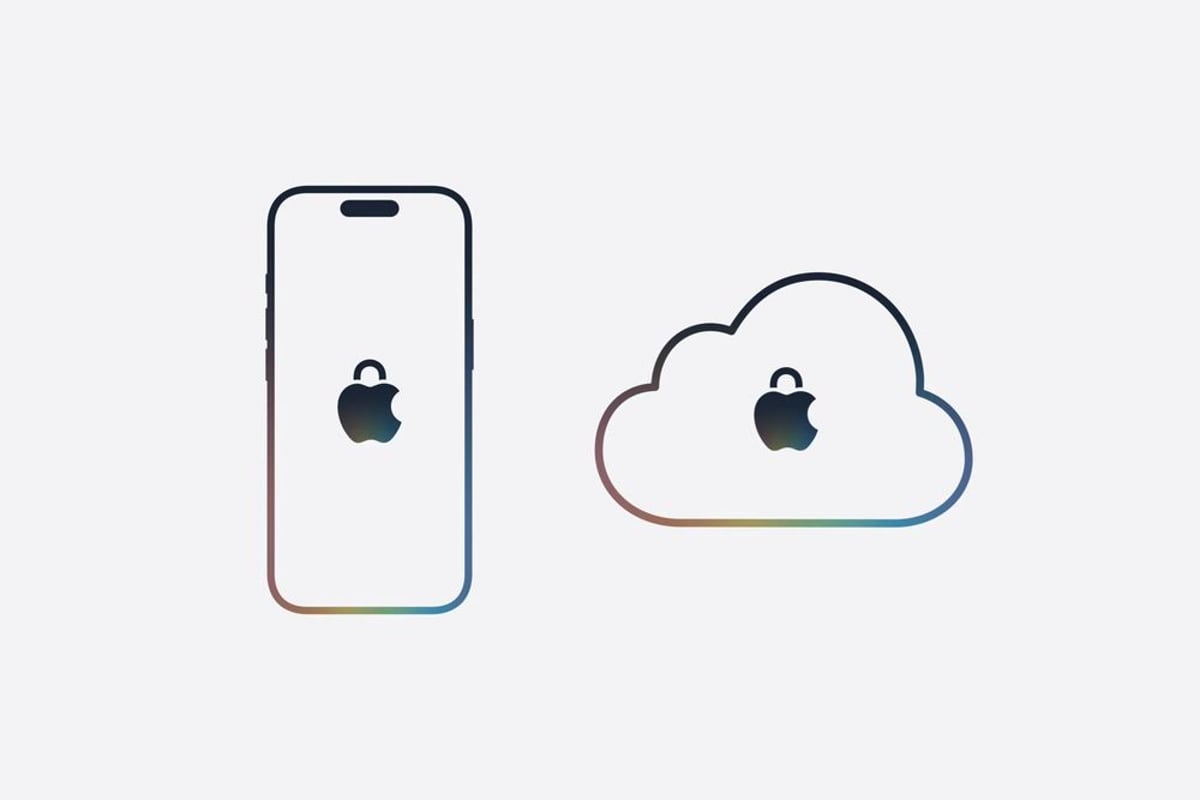
Apple just made privacy the centerpiece of its AI strategy, and it's a bold gamble. At yesterday's WWDC 2026 keynote, the company unveiled Apple Intelligence and a revamped Siri across its entire device lineup, positioning its delayed entry into AI as a deliberate choice to prioritize user privacy over speed. But there's a catch: despite promises of on-device security, Apple's expanding its cloud processing to run on Google's servers. The company insists its Private Cloud Compute is just as secure as local processing, but that claim will face intense scrutiny.
Apple turned what could've been a weakness into its main selling point. While competitors raced to ship AI features, Apple waited. And at WWDC 2026, the company explained why: it was too busy building AI the "right" way, which in Apple's vocabulary means privacy-first.
The new Apple Intelligence features represent the company's most ambitious AI push yet. A redesigned Siri now operates across iPhone, iPad, Mac, Apple Watch, and Vision Pro with a dedicated AI app that mirrors ChatGPT's conversational interface. Add AI-powered camera tools, photo editing features, and early agentic capabilities, and you've got Apple's answer to the AI revolution that's been reshaping tech for the past two years.
But the real story isn't what Apple's building - it's how. The company's pitching a fundamental trade-off: you can have AI now with questionable privacy, or you can wait for AI that respects your data. "With more privacy than anyone else" isn't just marketing speak for Apple. It's the entire value proposition for customers who've watched OpenAI, Google, and Microsoft hoover up data to train increasingly powerful models.
Here's where things get complicated. Apple's promising that its Private Cloud Compute system delivers the same privacy guarantees as on-device processing. That's a massive claim, especially since the company's now running that cloud infrastructure on Google's servers. Yes, you read that right: Apple's privacy-centric AI strategy depends partly on Google's cloud.
The partnership raises obvious questions. How exactly does Apple maintain its privacy standards when processing happens on a competitor's infrastructure? What safeguards exist to prevent data leakage? And most importantly, will security researchers and privacy advocates buy the company's assurances?
Apple's late entry into AI mirrors its historical playbook. The company rarely moves first, preferring to watch competitors stumble before launching its own polished take. It worked with smartphones, tablets, and smartwatches. But AI's different. The technology's evolving so rapidly that waiting might mean falling irreversibly behind. OpenAI's GPT models get smarter every quarter. Google's Gemini keeps expanding capabilities. Microsoft's Copilot is already embedded across its enterprise suite.
The new Siri represents Apple's clearest response yet. By offering a ChatGPT-style experience while processing as much as possible on-device, Apple's trying to thread an impossible needle: match the capabilities of cloud-based AI while keeping data local. When that's not possible, Private Cloud Compute supposedly steps in with the same privacy protections.
Industry watchers are skeptical. Running sophisticated AI models requires massive computational resources, which is exactly why OpenAI, Google, and others built massive server farms. Apple's claiming it can deliver comparable results while maintaining strict privacy controls and leaning on a competitor's infrastructure. That's a lot to prove.
The Google cloud partnership particularly stings for Apple's narrative. For years, the company's positioned itself as the privacy-conscious alternative to Google's data-hungry business model. Now it's literally running AI workloads on Google's servers while insisting nothing's changed about its privacy commitments. The cognitive dissonance is jarring.
Apple Intelligence's success won't be determined by features alone. The company needs to convince users, researchers, and regulators that its privacy claims hold up under scrutiny. That means opening Private Cloud Compute to independent audits, publishing detailed technical documentation, and proving that processing on Google's infrastructure doesn't compromise Apple's standards.
The stakes couldn't be higher. Apple's built a premium brand partly on privacy promises. If those promises crumble under the weight of AI ambitions, the company risks losing the trust that differentiates it from competitors. But if Apple actually delivers on privacy-preserving AI at scale, it could reset industry expectations and prove that the data-collection-first model isn't inevitable.
What's clear is that Apple's betting its AI future on a single word: privacy. The company's convinced that users care more about data protection than being first to market with flashy AI features. Whether that bet pays off depends entirely on how well the Private Cloud Compute promise holds up when experts start poking holes in it.
Apple's privacy-first AI strategy represents either a brilliant differentiation play or a costly mistake. By framing its delayed entry as deliberate and building Apple Intelligence around privacy promises, the company's staking its reputation on claims that will face relentless scrutiny. The Google cloud partnership adds complexity to an already risky narrative. If Apple proves that Private Cloud Compute genuinely protects user data while delivering competitive AI capabilities, it could redefine industry standards and validate its wait-and-see approach. But if security researchers find cracks in the privacy armor or if features lag too far behind competitors, Apple's bet on privacy over speed will look like an expensive miscalculation. The next few months will determine whether Apple's privacy promise becomes its greatest AI advantage or its Achilles heel.