Apple is shaking up its product launch playbook. The Cupertino giant has sent invitations to tech press for a 'special Apple experience' on March 4, signaling a potential departure from the polished keynote presentations that have become synonymous with the company's brand. The cryptic invitation language suggests Apple might be testing a new format for product reveals, potentially moving away from the carefully choreographed theater-style events that have defined product launches since the Steve Jobs era.
Apple just threw the tech press a curveball. Instead of the familiar 'special event' invitation that typically lands in journalists' inboxes, the company is calling its March 4 gathering a 'special Apple experience.' The semantic shift might seem subtle, but in Apple's meticulously controlled world of product launches, every word choice carries weight.
The invitation represents a potential breaking point from decades of tradition. Since Steve Jobs pioneered the modern tech keynote format, Apple has refined product launches into an art form - executives on stage, slick video packages, carefully timed applause breaks, and the iconic 'one more thing' moments that generate headlines worldwide. But that formula, while effective, has grown increasingly predictable in an era where competitors livestream everything and leaks spoil surprises weeks in advance.
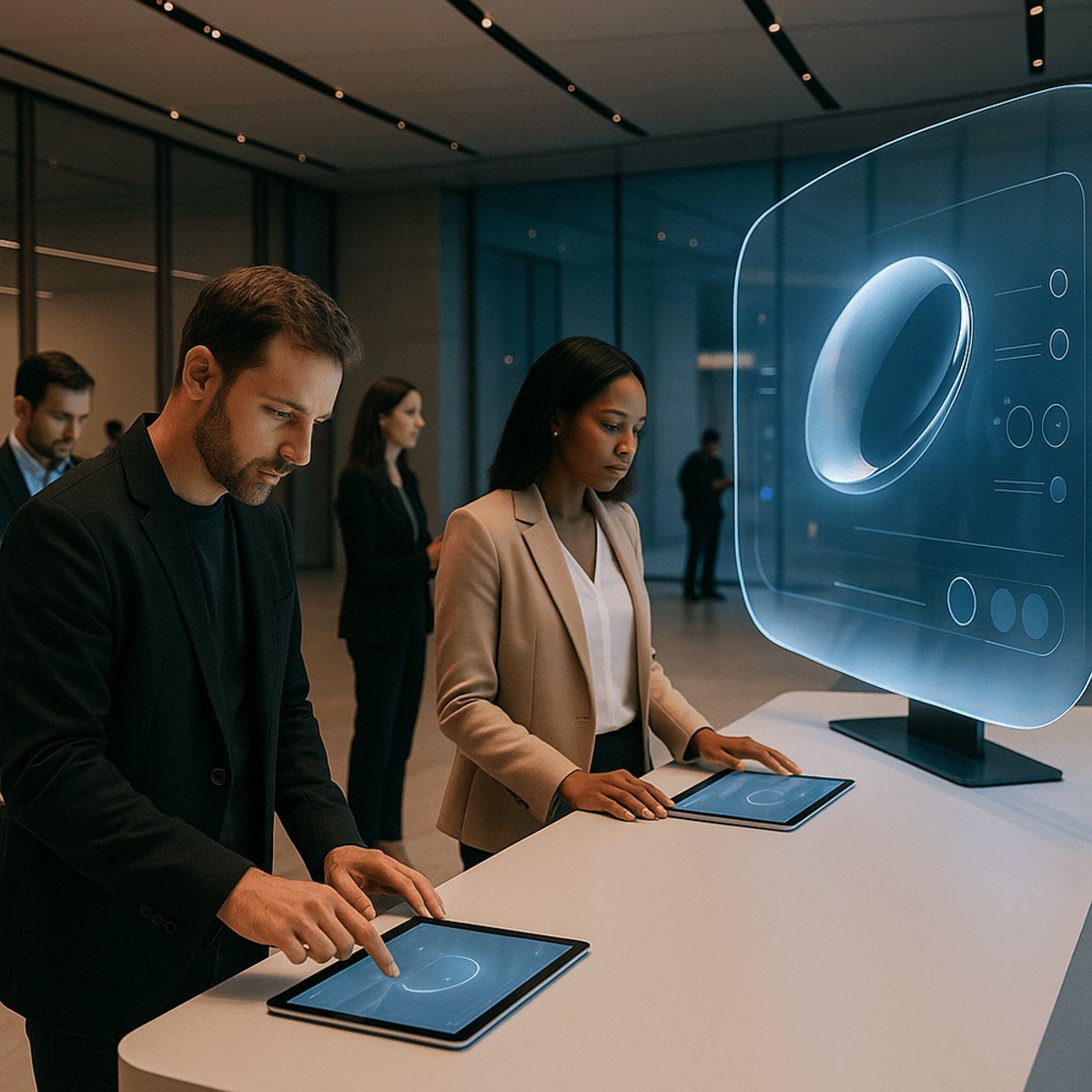
What exactly constitutes an 'experience' versus an 'event' remains unclear, but the industry is buzzing with speculation. The shift could mean hands-on product demos, private one-on-one briefings with executives, or even an immersive showcase similar to what Apple created for Vision Pro's initial developer previews. Those intimate sessions, where journalists spent 30 minutes inside the mixed reality headset with personalized walkthroughs, generated far more nuanced coverage than a typical auditorium presentation ever could.
The timing adds another layer of intrigue. March sits squarely in Apple's traditional spring refresh window, when the company typically updates iPads, MacBooks, and accessories without the fanfare of its September iPhone spectacles. Recent years have seen Apple experiment with press release-only launches and pre-recorded videos during the pandemic, tactics that proved surprisingly effective at controlling the narrative while reducing production costs.
But there's a bigger strategic question at play. Apple is racing to catch up in artificial intelligence after rivals like Google and Microsoft seized early leads with consumer-facing AI products. The company's Apple Intelligence features, announced last year, are still rolling out incrementally. A new event format could provide the perfect vehicle to showcase AI capabilities that work better through demonstration than explanation - imagine journalists testing real-time translation, advanced photo editing, or contextual Siri interactions rather than watching staged demos.
The competitive landscape has shifted dramatically too. Samsung now holds elaborate 'Unpacked' events that feel increasingly Apple-esque, while Tesla has turned product reveals into entertainment spectacles. Meta leaned heavily into developer conferences that double as product launches. In this environment, Apple maintaining the exact same presentation style for years starts to look less like consistency and more like stagnation.
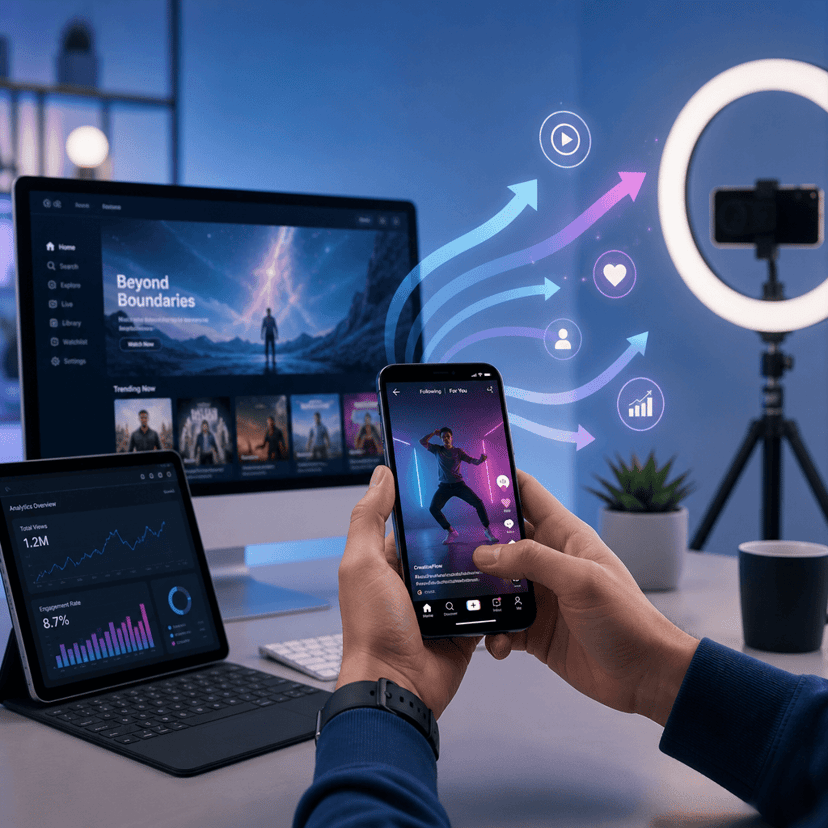
Industry analysts point to another factor - engagement metrics. Pre-recorded Apple events during COVID showed that viewership remained strong even without the live theater element. Meanwhile, hands-on coverage from journalists who've actually used products tends to perform better than hot takes based on 90-second stage demos. If Apple can generate deeper, more informed initial coverage by letting press truly experience products, it might be worth sacrificing some of the spectacle.
The March 4 date gives Apple about ten days to control the narrative before whatever products emerge hit shelves. That compressed timeline suggests confidence - either the products are so compelling they'll speak for themselves, or Apple wants to minimize the gap between announcement and availability to reduce leak damage and maintain momentum.
Of course, this could all be much ado about nothing - a simple rephrasing that doesn't translate to meaningful format changes. Apple has occasionally tweaked invitation language before without revolutionary shifts in presentation style. But the company rarely makes accidental word choices, especially in communications as scrutinized as product launch invitations.
What's clear is that the traditional tech keynote faces an identity crisis. In an age of instant information and AI-generated summaries, does anyone need to watch a 90-minute presentation when they can read the highlights in 30 seconds? Apple built the modern product launch template, so it's fitting that the company might be the one to evolve it for the AI era.
Whether 'special Apple experience' turns out to be revolutionary or just rebranded, March 4 matters. Apple is clearly thinking about how to cut through the noise in an oversaturated tech news cycle while showcasing products that increasingly rely on AI and experiential features that don't translate well to stage demos. If the experiment works, expect other tech giants to follow suit - the keynote's days as the gold standard format might finally be numbered. And if it flops, well, Apple can always return to what works. Either way, the industry will be watching closely to see if the company that invented the modern product launch can successfully reinvent it.