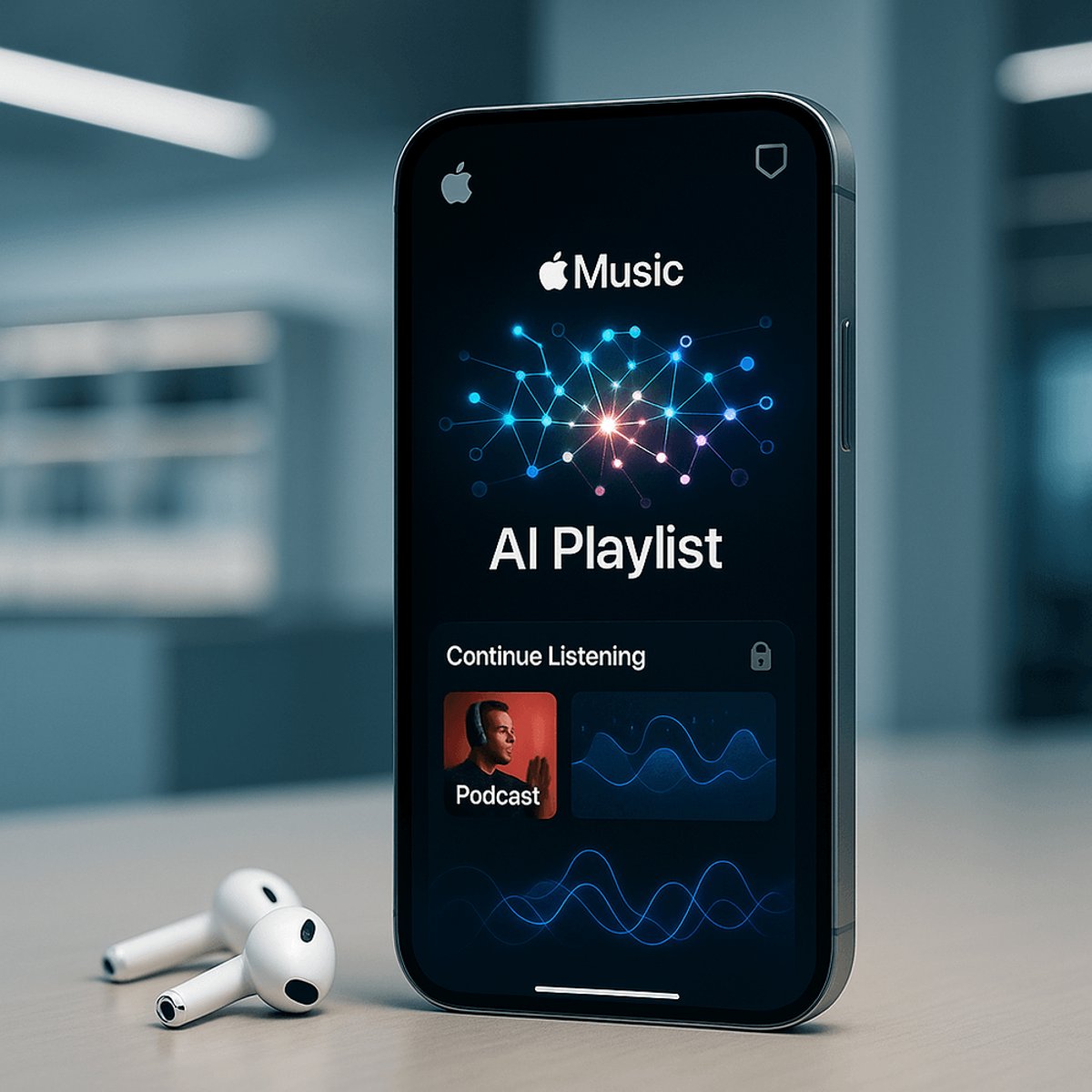
Apple just dropped iOS 26.4 into public beta, and it's bringing AI-powered playlist generation to Apple Music alongside support for video content in the Podcasts app. The update also introduces end-to-end encryption for RCS messages, marking another step in Apple's gradual embrace of cross-platform messaging standards. While these features might seem like routine improvements, they signal Apple's continued push to embed AI across its consumer ecosystem - even if it's arriving later than competitors like Spotify and YouTube Music, which have offered similar AI curation for months.
Apple is testing the waters with iOS 26.4, and the public beta that landed today reveals where the company thinks AI should fit into everyday iPhone use. The headline feature is AI-powered playlist generation in Apple Music, a capability that competitors like Spotify have been refining for over a year.
The timing is telling. While Spotify launched its AI DJ feature back in early 2023 and has since expanded it to dozens of markets, Apple's approach appears more cautious. The AI playlist tool reportedly analyzes listening habits, mood indicators, and contextual data to suggest curated collections, but details on the underlying model remain sparse. Apple hasn't disclosed whether this uses on-device processing or cloud-based inference, though the company's recent emphasis on privacy-focused AI suggests a hybrid approach.
But the music feature isn't the only play here. Apple is adding video content support to the Podcasts app, a move that directly challenges YouTube's stranglehold on video podcasting. Creators have long complained about being forced to choose between audio-first platforms like Apple Podcasts and video-native platforms like YouTube. This integration could give podcasters a unified distribution channel without sacrificing video content, though Apple will need to convince creators that its video player can compete with YouTube's massive audience and monetization tools.
The RCS encryption addition is equally significant, even if it feels overdue. After years of resistance, Apple began supporting RCS (Rich Communication Services) messaging in iOS 26, ending the infamous green bubble saga that plagued cross-platform group chats. Now, with end-to-end encryption rolling out for RCS messages, iPhone users texting Android friends will finally get the same privacy protections they've enjoyed with iMessage. It's a win for interoperability, even if Apple dragged its feet getting here.
What's missing from this beta is any mention of enterprise-grade AI features. While consumer-facing tools like playlist generation grab headlines, Apple's AI strategy still lags behind Microsoft and Google in the productivity space. There's no AI-powered email triage, no advanced document summarization in Notes, no smart calendar scheduling. Instead, Apple continues focusing AI development on entertainment and communication - areas where the stakes are lower and user expectations are more forgiving.
The competitive pressure is mounting. Google is embedding Gemini across Android and Chrome OS, while Microsoft is weaving Copilot into everything from Windows to Office. Apple's measured approach might preserve its reputation for polish, but it risks ceding ground in the AI arms race that's defining the next decade of consumer tech.
Developers and power users can access the iOS 26.4 beta now through Apple's Beta Software Program, with a public release expected in March. For most users, the AI playlist feature will be the most immediately noticeable change, though its success will depend entirely on execution. If Apple's AI can truly understand context and mood better than Spotify's algorithms, it could be a genuine differentiator. If not, it's just another catch-up feature in a beta that feels more iterative than innovative.
The video podcast integration, meanwhile, will take longer to prove its value. Creators need time to test the tools, and Apple will need to build out monetization features if it wants to compete seriously with YouTube. But the groundwork is being laid for a more unified media experience across Apple's ecosystem, where audio and video content flow seamlessly through the same apps and interfaces.
What remains unclear is how these consumer features fit into Apple's broader AI vision. The company has been conspicuously quiet about large language model development compared to peers, and its on-device AI capabilities, while impressive for privacy, still lag behind cloud-based alternatives in raw capability. iOS 26.4 feels like a testing ground, a way to introduce AI features incrementally while Apple figures out its long-term strategy.
iOS 26.4 represents Apple's incremental approach to AI integration - prioritizing consumer entertainment over enterprise productivity. The AI playlist feature is a necessary catch-up move against Spotify and YouTube Music, while video podcasts could disrupt creator distribution if Apple builds out proper monetization. RCS encryption finally delivers on cross-platform messaging promises, but the bigger question remains unanswered: when will Apple commit to the kind of transformative AI features that Microsoft and Google are already shipping? For now, this beta suggests Apple is still testing the waters rather than diving in headfirst.