Amazon is running its October Prime Day event through today, serving up steep discounts on Apple devices that could save shoppers significant cash before Black Friday. The highlight deals include AirPods Pro dropping to $170 and the latest iPad Mini hitting $379, matching some of the lowest prices we've seen this year.
Amazon is making one final push to capture pre-holiday shoppers with its October Prime Day event, and Apple products are stealing the show. The retail giant is offering some of the steepest discounts we've seen on current-generation Apple devices, potentially giving consumers their last chance to save before the Black Friday rush.
The standout deal is the second-generation AirPods Pro with USB-C charging case, now priced at $170 - a substantial $79 drop from its $249 retail price. This matches the lowest price we saw during July's summer sales event, according to price tracking data from The Verge's deals coverage. The earbuds feature significantly improved noise cancellation over the original Pro model and support Apple's newest audio features.
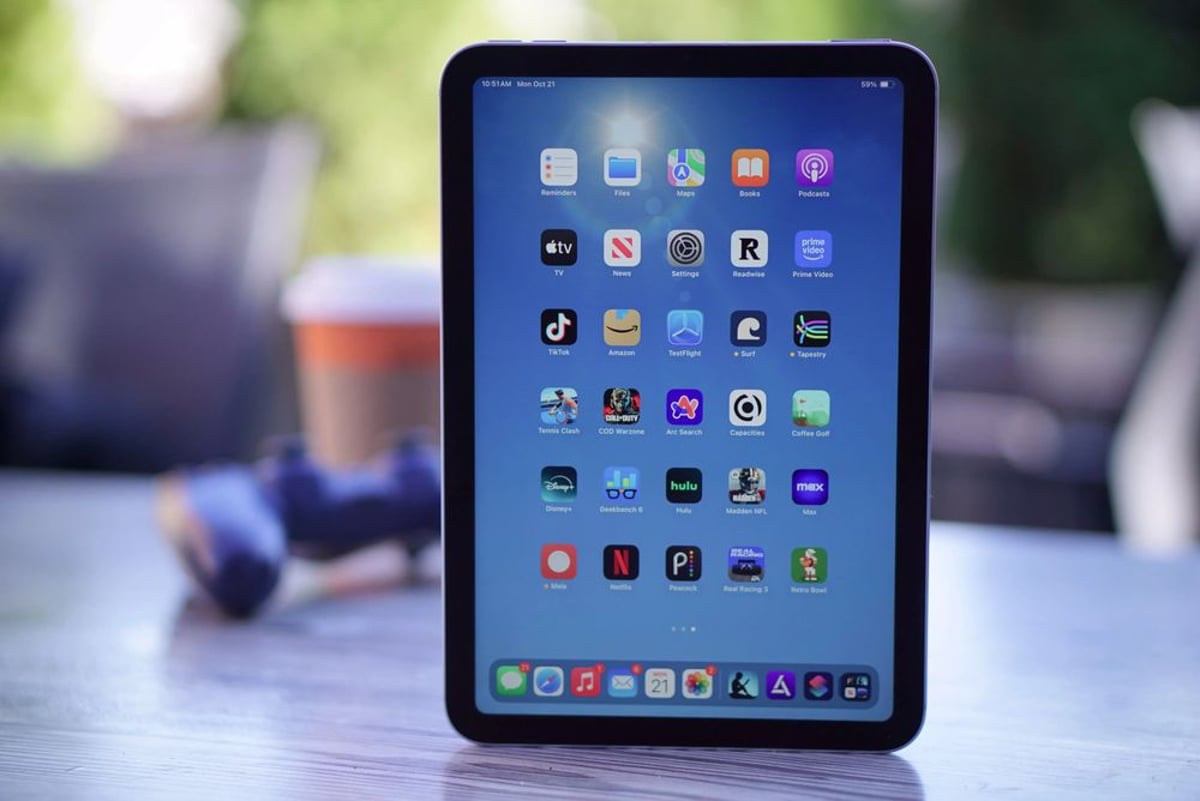
But it's not just legacy products getting the discount treatment. The seventh-generation iPad Mini, which launched just weeks ago with Apple's A17 Pro chip and Apple Intelligence support, is already seeing a $120 price cut to $379. This aggressive early pricing suggests Amazon is serious about moving inventory before Q4 holiday shopping begins in earnest.
Apple Watch deals are equally compelling, with the flagship Series 10 dropping to $279 in the 42mm configuration. The latest Apple Watch features a 30% larger display area compared to previous generations and faster charging capabilities. The Ultra 2, Apple's premium outdoor-focused model, is down to $649 across all band configurations.
The laptop category shows Amazon's willingness to discount even Apple's newest releases. The 2025 M4 MacBook Air, which Apple launched earlier this year with 16GB of base RAM and improved performance, is available for $799 - a $200 discount from its $999 starting price. This pricing brings Apple's entry-level laptop closer to Windows competitors while maintaining the premium build quality and battery life advantages.
What's particularly interesting about this Prime Day event is how it reflects broader retail dynamics. Unlike previous years where Prime membership was essential for the best deals, many of these Apple discounts are being matched by competitors like Best Buy and Walmart. This suggests retailers are using Apple products as loss leaders to drive traffic, betting that customers will purchase additional items during their shopping trips.
The timing couldn't be more strategic. With Black Friday still weeks away, Amazon is positioning itself as the destination for immediate gratification purchases. "If you don't want to wait until Black Friday to score a discount, the current promo is a great opportunity to save," notes The Verge's deals analysis.
Industry analysts suggest this aggressive pricing reflects several factors: Apple's strong Q3 performance giving retailers confidence in demand elasticity, the need to clear inventory before holiday season stock buildups, and increasing competition from Android alternatives in key categories like tablets and wearables.
For consumers, the math is straightforward. These October deals often match or exceed traditional Black Friday pricing, but without the inventory uncertainty and shipping delays that plague November shopping. The AirPods Pro discount, for instance, represents better value than last year's Black Friday pricing when adjusted for the USB-C upgrade and current feature set.
The accessory category shows similar aggressive pricing. AirTags are down to $65 for a four-pack, while the Apple Pencil Pro drops to $99. These peripheral discounts often signal Apple's broader strategy of making its ecosystem more accessible to drive services revenue growth.
Looking ahead, this October pricing establishes new benchmarks for what consumers should expect during traditional holiday sales periods. With supply chains more stable than in recent years and inventory levels healthy, retailers have more flexibility to offer meaningful discounts rather than the marginal price cuts that characterized pandemic-era sales events.
Amazon's October Prime Day represents a strategic shift in retail calendar dynamics, offering consumers genuine savings on current Apple products without the traditional wait for Black Friday. With deals spanning everything from the latest iPad Mini to professional-grade MacBook Pros, this sales event effectively redefines when the holiday shopping season begins. For tech buyers, the message is clear: the best time to purchase Apple products may no longer be tied to traditional November sales cycles.