Sennheiser just dropped the HDB 630 headphones with a clever solution to high-res audio's compatibility nightmare. The $500 cans include a USB-C dongle that brings aptX Adaptive codec support to any phone or tablet, bypassing the fragmented Bluetooth support that's plagued wireless audio for years. Starting preorders today with October 21st shipping, they're targeting audiophiles tired of codec lottery.
Sennheiser is taking a swing at the wireless audio market's biggest headache with the new HDB 630 headphones, and honestly, it's about time someone did. The German audio company announced today that these $500 cans come bundled with a USB-C transmitter dongle that brings aptX Adaptive codec support to any device, solving the compatibility mess that's frustrated audiophiles for years.
The problem has been clear for anyone chasing high-res wireless audio - aptX Adaptive promises 24-bit/96kHz streaming quality, but only a handful of smartphones actually support it three years after launch. While Apple pushes its own AAC codec and most Android phones default to basic SBC, true hi-res wireless audio has remained frustratingly device-dependent.
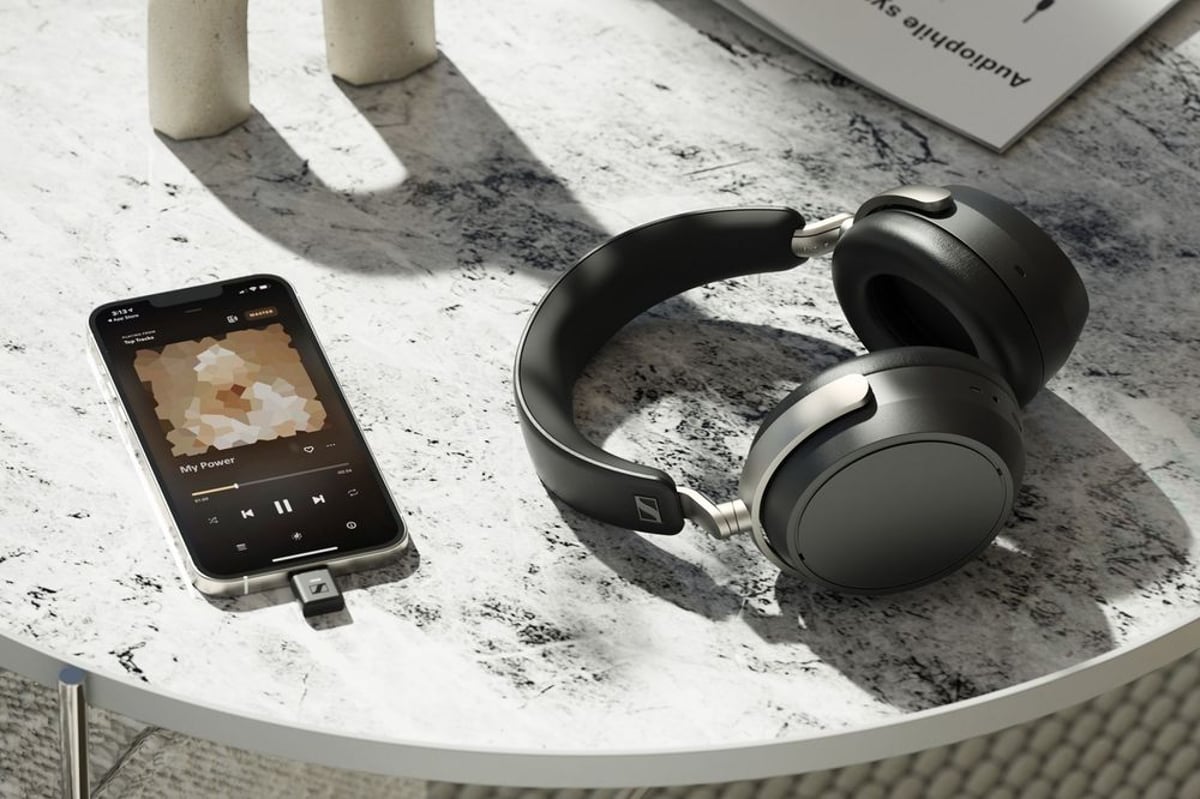
Sennheiser's solution is elegantly simple: include the missing piece in the box. The HDB 630 package includes a USB-C transmitter that handles the aptX Adaptive heavy lifting, bypassing whatever codec limitations your phone might have. It's the kind of practical engineering that makes you wonder why nobody thought of this sooner.
Built on the same chassis as the well-regarded Momentum 4 that launched in 2022, the HDB 630 features what Sennheiser calls a "customized acoustic system built for focused listening." That's marketing speak for 42mm drivers tuned specifically for accurate reproduction, paired with active noise cancellation and the same impressive 60-hour battery life that made the Momentum 4 a standout.
Pricing tells an interesting story about the premium headphone market's current state. At $499.95, the HDB 630 costs $150 more than the Momentum 4's original $349.95 launch price, but Sennheiser quietly bumped the Momentum 4 to $449.95 earlier this year. That makes the new model just $50 more expensive than its predecessor, potentially positioning it as a compelling upgrade for existing users.
The real differentiator might be Sennheiser's new Smart Control Plus app, which includes a parametric equalizer with bandwidth controls, filters, and A/B testing capabilities. For audio enthusiasts who spend hours tweaking sound profiles, that's significantly more advanced than the basic EQ sliders found in most headphone apps. The company even plans a future update allowing users to share custom EQ presets via QR codes, turning sound tuning into a social experience.
What makes this launch particularly strategic is its timing. While Apple dominates the premium wireless space with AirPods Max and Sony continues pushing its WH-1000XM series, there's been a gap for true audiophile-focused wireless cans that don't compromise on codec support. Sennheiser is betting that bundling the dongle solution removes enough friction to capture users who've been hesitant to commit to wireless hi-res audio.
The competitive landscape has shifted dramatically since the Momentum 4's debut. Bose refreshed its QuietComfort lineup, Audio-Technica pushed deeper into wireless territory, and numerous Chinese brands have flooded the market with affordable alternatives claiming similar specs. In this environment, Sennheiser's approach of solving compatibility rather than just improving specs feels refreshingly practical.
Preorders open today through Sennheiser's website with shipping scheduled for October 21st. The package includes the headphones, carrying case, USB-C and 3.5mm cables, the wireless dongle, and even an airplane adapter - everything needed for the complete wireless audio experience regardless of your device's native codec support.
The HDB 630 represents Sennheiser's most pragmatic approach to wireless audio yet - instead of waiting for the industry to solve codec fragmentation, they're including the solution in the box. At $500, it's not cheap, but for audiophiles who've been frustrated by compatibility issues, the bundled dongle approach removes a major barrier to wireless hi-res audio adoption. Whether that's enough to compete with Apple's ecosystem integration and Sony's market dominance remains to be seen, but it's exactly the kind of engineering-first thinking that built Sennheiser's reputation in the first place.