Apple's cancelled self-driving car project may have crashed and burned, but it left behind something far more valuable - the Neural Engine that now powers AI across every iPhone, iPad, and Mac. According to Bloomberg's Mark Gurman, the doomed Project Titan forced Apple's chip team to solve on-device AI processing years before it became a competitive necessity, accidentally positioning the company as a leader in edge AI computing.
Apple's Project Titan was supposed to revolutionize transportation. Instead, it revolutionized the company's silicon strategy in ways nobody saw coming.
The self-driving car program never made it past internal prototypes, officially shutting down in early 2024 after years of false starts and leadership changes. But buried in the wreckage was a critical insight that would reshape Apple's entire product lineup - autonomous vehicles need massive on-device AI processing power, and they need it yesterday.
That realization led directly to the Neural Engine, according to Mark Gurman's latest Power On newsletter. While competitors were still farming AI workloads out to the cloud, Apple's car team was already wrestling with real-time computer vision, sensor fusion, and split-second decision-making that couldn't afford network latency. The chip architecture they developed to handle those demands became the blueprint for every Apple device since.
The Neural Engine made its public debut with the iPhone X and A11 Bionic chip in 2017. At launch, Apple positioned it primarily as a computer vision engine powering FaceID's facial recognition and those animated Animoji characters everyone briefly obsessed over. The original Neural Engine could perform 600 billion operations per second - impressive at the time, but quaint compared to today's standards.
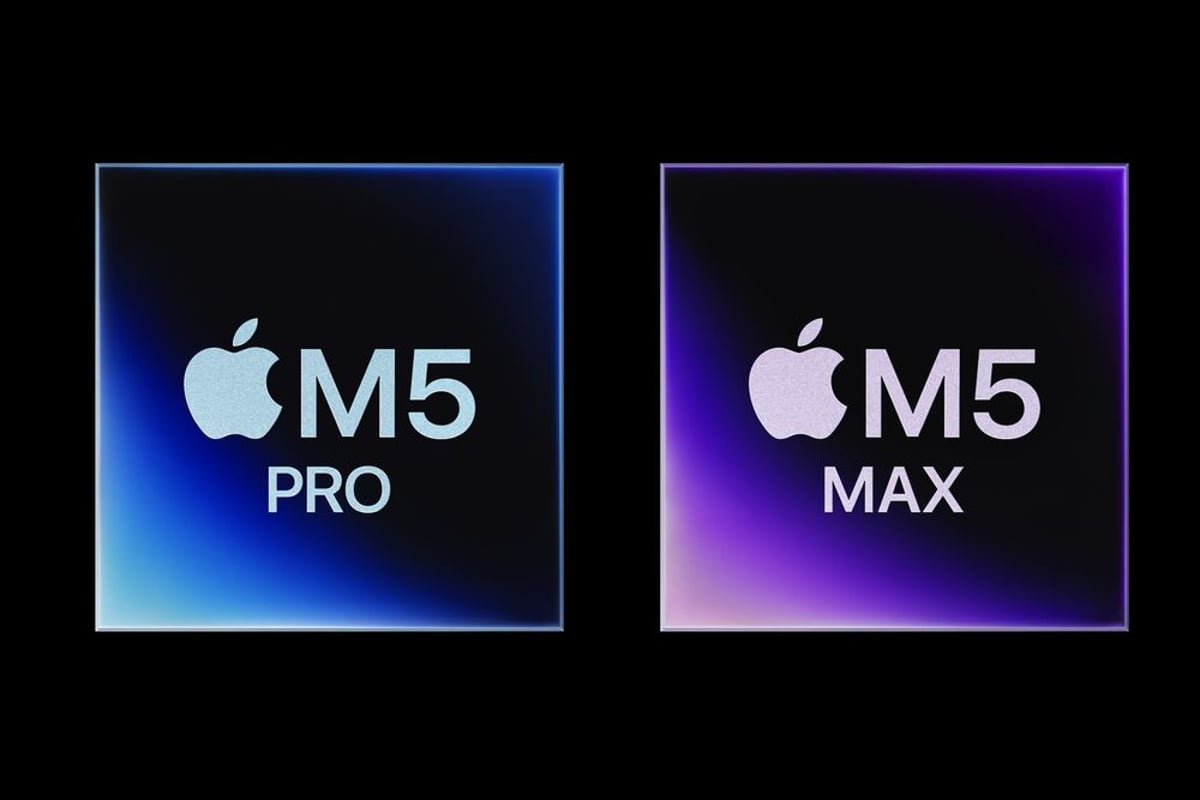
What wasn't obvious then was how the architecture would scale. Each generation brought exponential improvements. The A12 Bionic doubled performance to 5 trillion operations per second. By the time the A15 arrived in 2021, that number hit 15.8 trillion. The current A17 Pro pushes 35 trillion operations per second, while the M3 Max in Apple's high-end laptops can hit 40 trillion.
Those aren't just vanity metrics. The Neural Engine now handles everything from computational photography and real-time video effects to on-device Siri processing and the company's Apple Intelligence features rolling out across iOS and macOS. Tasks that would have required server-side processing just five years ago now happen entirely on-device, preserving privacy while delivering instant results.
The timing turned out to be accidentally perfect. When OpenAI kicked off the generative AI boom in late 2022, Apple already had years of experience building specialized AI hardware at scale. While Nvidia dominated data center AI training chips, Apple controlled the edge computing space where AI actually touches consumers.
Gurman's newsletter also hints at Apple's future chip roadmap, including the M7 Ultra that would represent the Neural Engine's continued evolution. The company's been testing on-device large language models that can run entirely within the Neural Engine's architecture, no cloud required. That capability traces directly back to Project Titan's original requirements for real-time autonomous decision-making.
The irony isn't lost on industry observers. Apple poured billions into a car that never shipped, hemorrhaging talent and credibility along the way. The project's cancellation freed up hundreds of engineers who scattered across other divisions. But the fundamental research into on-device AI processing turned out to be more valuable than any vehicle could have been.
Compare that to competitors still catching up. Qualcomm's Snapdragon chips only recently started matching Apple's Neural Engine capabilities. Samsung relies heavily on cloud processing for its Galaxy AI features. Even Google, despite its AI expertise, sends most Pixel phone AI tasks to remote servers.
Apple's approach carries real advantages beyond just speed. On-device processing means sensitive data never leaves the phone - no voice recordings uploaded for Siri queries, no photos sent to servers for editing, no personal information exposed to potential breaches. That privacy angle has become a major selling point as AI features proliferate.
The car project's failure also forced Apple to think differently about silicon design. Building chips for autonomous vehicles meant optimizing for power efficiency, thermal management, and sustained performance under constant load - exactly the challenges facing modern smartphones and laptops running AI workloads all day. Those lessons fed directly into Apple Silicon's architecture when the company ditched Intel processors in 2020.
Project Titan burned through an estimated $10 billion over its decade-long lifespan, according to industry analysts. That's a staggering write-off by any measure. But the Neural Engine now ships in over 200 million devices annually, powering features that keep users locked into Apple's ecosystem and justify premium pricing. The return on that accidental investment dwarfs what a niche electric vehicle could have delivered.
Project Titan's greatest legacy wasn't the car Apple never built - it was forcing the company to solve on-device AI processing before anyone realized it would become the industry's defining battleground. While competitors scramble to match Apple's Neural Engine capabilities, the technology continues evolving toward even more ambitious on-device AI that could redefine how we interact with computers. Sometimes the most valuable breakthroughs come from projects that fail spectacularly, as long as you're paying attention to what you learned along the way.