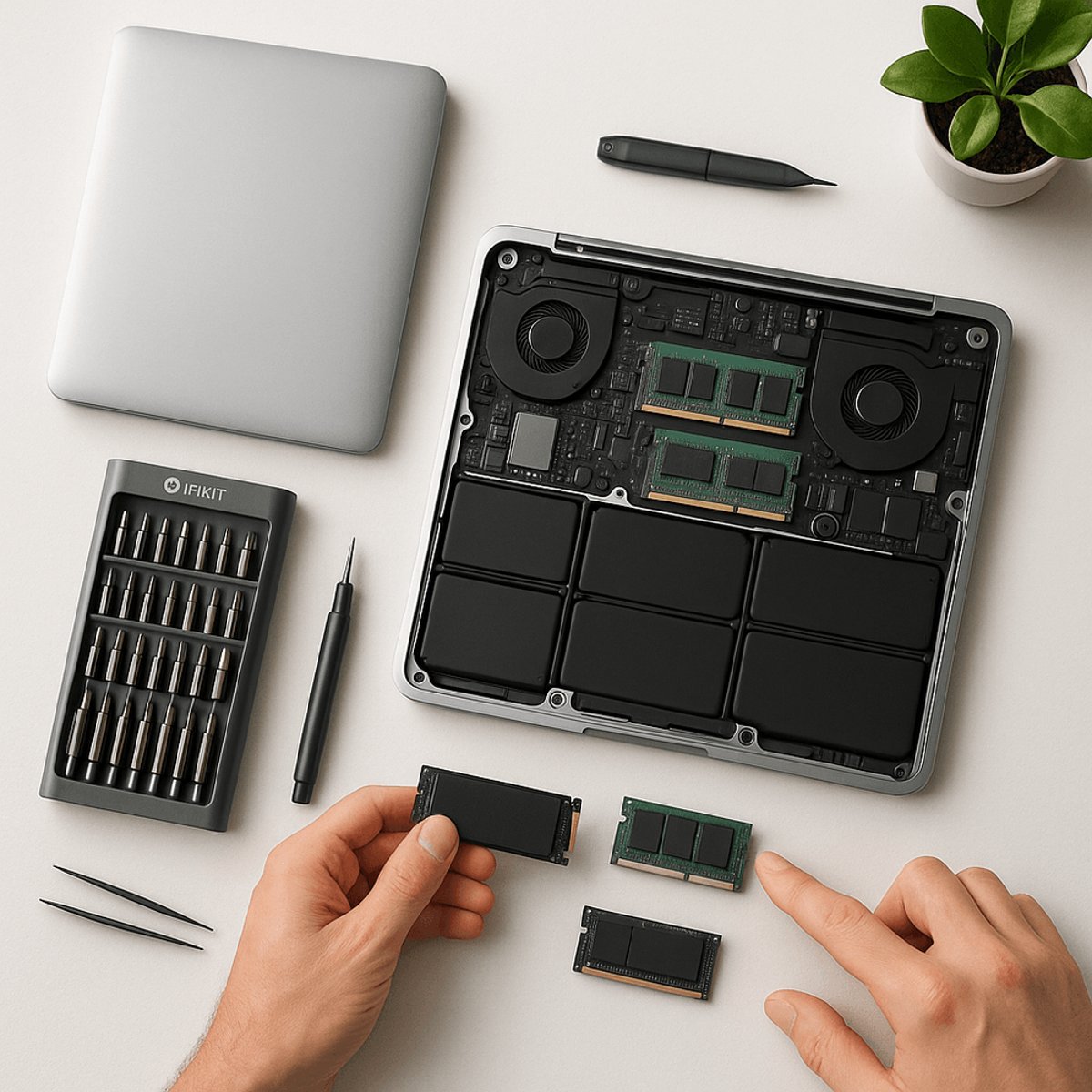
Apple's new MacBook Neo is making waves for more than just its budget-friendly price tag. The device has earned praise from repair advocates as the company's most repairable laptop in roughly 14 years, according to iFixit, the teardown specialists who've been tracking tech repairability for over a decade. The milestone signals a potential shift in Apple's hardware design philosophy, coming at a time when right-to-repair legislation is gaining traction across multiple states and the European Union is mandating more consumer-friendly device servicing.
Apple just did something it hasn't done in over a decade - it built a MacBook you can actually fix. The MacBook Neo, already turning heads as the company's most budget-conscious laptop in years, has earned an unexpected accolade from the repair community. iFixit, the repair advocacy group that's become the de facto authority on tech device serviceability, is calling it the most repairable MacBook since around 2012.
The timing couldn't be more significant. For years, Apple has faced mounting criticism from consumers, repair shops, and lawmakers over its increasingly sealed-up hardware designs. The company's shift toward soldered RAM, glued-in batteries, and proprietary screws turned what used to be straightforward repairs into expensive trips to the Apple Store or outright device replacements. That approach helped Apple maintain tight control over its service ecosystem but also fueled a global right-to-repair movement.
The MacBook Neo appears to represent a different path forward. While full teardown details from iFixit haven't been published yet, the early assessment suggests Apple has incorporated modular components and more accessible internal architecture. That's a stark departure from recent MacBook designs where even basic battery replacements required specialized tools and risked damage to other components.
This repairability breakthrough comes as Apple positions the Neo as its entry-level laptop offering, priced a full $500 below the M5 MacBook Air. The combination of affordability and serviceability could reshape the laptop market, particularly for education customers, budget-conscious consumers, and organizations that factor long-term repair costs into purchasing decisions.
The regulatory landscape has clearly influenced this shift. The European Union's recent right-to-repair legislation mandates that manufacturers make devices more serviceable and provide parts to independent repair shops. Several U.S. states have passed or are considering similar laws. Apple has gradually responded by launching its Self Service Repair program and expanding access to genuine parts, but the MacBook Neo suggests the company is now designing repairability into products from the ground up rather than retrofitting access after launch.
The last time Apple earned widespread repair-friendly marks was with pre-Retina MacBook Pro models, which featured user-replaceable RAM, accessible hard drives, and removable batteries. Those machines became legends in the repair community but were gradually phased out as Apple prioritized thinner, lighter designs. The 2012 Retina MacBook Pro marked the beginning of the sealed-design era, with iFixit giving it a dismal repairability score that set the tone for the next 14 years.
For iFixit, which has built its reputation on detailed product teardowns and repairability scoring, the MacBook Neo represents a potential turning point. The organization has been vocal about Apple's repair-hostile designs, often awarding the company's flagship products scores in the 1-3 range out of 10. A significantly higher score for the Neo would validate years of advocacy work.
The ripple effects could extend beyond Apple. Competitors like Microsoft with its Surface line and various PC manufacturers have followed similar trends toward sealed designs. If Apple can deliver a repairable device that doesn't compromise on performance or aesthetics, it could pressure the broader industry to reconsider planned obsolescence strategies.
But questions remain about how far Apple is willing to take this approach. Is the Neo an outlier designed specifically for price-conscious markets, or does it signal a broader shift across the MacBook lineup? Will the repair-friendly features extend to the Pro and Air models, or will those continue to prioritize ultra-thin designs that necessitate integrated components? And crucially, will Apple actually make replacement parts readily available and affordably priced, or will the modular design prove theoretical rather than practical for most users?
The device also arrives as Apple faces growing scrutiny over its environmental claims. The company has positioned itself as a sustainability leader, but critics have long pointed out that true environmental responsibility requires making devices that last longer and can be repaired rather than replaced. A genuinely repairable MacBook would align Apple's actions with its stated environmental values in a way that recycling programs and carbon-neutral pledges haven't fully achieved.
The MacBook Neo's repairability milestone represents more than just a hardware design choice - it's a potential inflection point in Apple's relationship with consumers, regulators, and the sustainability movement. Whether this marks a genuine philosophical shift or remains an isolated experiment with a budget product will become clear as Apple updates the rest of its laptop lineup. For now, the combination of affordability and serviceability makes the Neo one of the most interesting MacBooks Apple has released in years, not just for what it is, but for what it might signal about where the company is heading. Consumers and repair advocates will be watching closely to see if Apple makes good on the promise of accessible parts and reasonable repair costs, or if the improved design remains hamstrung by the same service ecosystem barriers that have frustrated users for over a decade.