TL;DR
- - Apple reports $89.54 billion revenue, 4% YoY growth.
- - Focus on tariffs: $900M extra costs anticipated.
- - Shifts in manufacturing to India involve strategic risks.
- - Long-term play on AI and entertainment as major pivots in 2025 strategies.
Did Apple's proactive strategies mitigate trade tensions? As the tech giant releases its third-quarter figures, industry analysts closely watch both the $89.54 billion revenue and how Apple's fiscal guidance adapts to ongoing global trade challenges. This assessment reveals the critical postures Apple is likely to take in shaping its future market leadership.
Opening Analysis: With $89.54 billion in revenue, representing a notable 4% growth year-on-year, Apple's financial results for the third quarter of 2025 provide a deep lens into how the tech industry titan navigates choppy waters. The anticipated FY guidance of 3% growth underscores the cautious optimism visible through its proactive manufacturing shifts and innovation strategies.
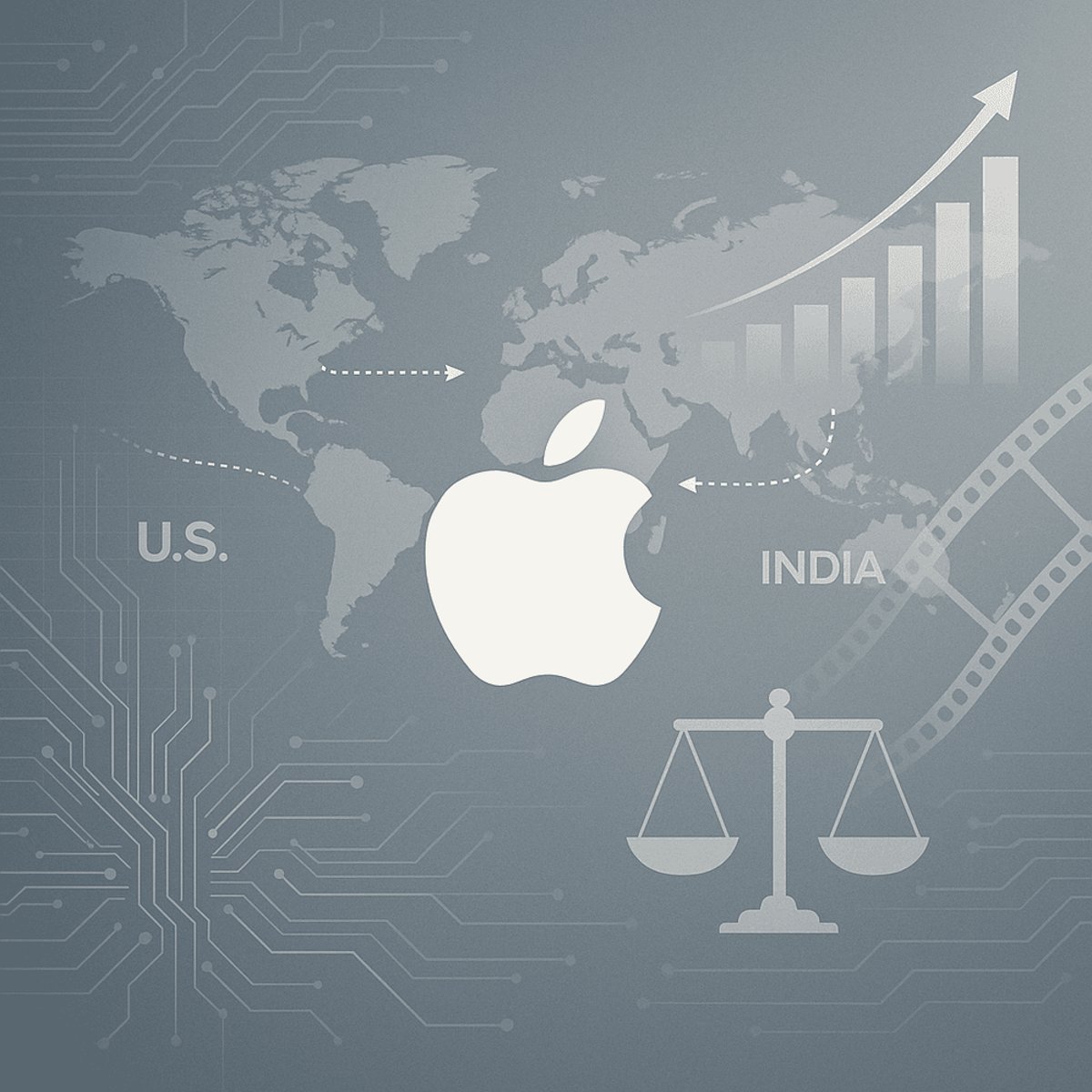
Market Dynamics: Historically, Apple's June quarters lag just before the expected September surge following new product launches. This year, however, the narrative is muted by broader economic uncertainties, particularly the tariff impositions stemming from ongoing trade disputes led by the U.S. administration. The tactical shift to India for iPhone production represents both an offensive against tariffs and a foothold in a growing market. How these moves align with global supply chains and consumer sentiment remains a critical query.
Technical Innovation: While the Worldwide Developers Conference highlighted incremental software updates, the spotlight remains on what wasn't revealed—specifically, robust AI initiatives. This absence leads analysts to question how Apple plans to maintain its competitive edge against rivals that are aggressively integrating AI capabilities. The subdued pace in AI development might offer windows for capturing value in entertainment and wearable tech segments, but not in the ubiquitous AI-driven functionalities expected by today's consumers.
Financial Analysis: The undercurrent of financial scrutiny is the $900 million cost pressure from tariffs. In an era of margin sensitivity, how Apple proposes to buffer these additional expenditures is a strategic focal point for investors. Its stock, having dipped by 16% this year, prompts a reassessment of forward P/E ratios and potential revisions in profit expectations as market conditions evolve.
Strategic Outlook: Apple's maneuvers present both risks and opportunities. Its pivot to India could foster new alliances and market inroads, yet geopolitical frictions remain formidable. As the sector moves towards a future defined by AI, quantum computing, and greener technologies, Apple’s adherence to a core philosophy of design elegance and ecosystem integration offers differentiated pathways. Expect focus on leveraging content like the successful 'F1' film franchise as alternative revenue paths diversify Apple's growth beyond hardware dependency.
Future Projections: Over the next 3 to 6 months, a recalibration towards macroeconomic adaptability will be essential. Meanwhile, a 1-2 year horizon should see Apple pushing deeper into AI domains and regional market expansions that coincide with trade realignments.
Key Takeaways:
- Apple's strategic pivot in manufacturing testifies to adaptive resilience in response to trade policy shifts.
- The entertainment sector emerges as a credible growth avenue alongside traditional hardware sales.
- The realignment of AI and innovation strategies will be crucial as competitive pressures escalate in upcoming quarters.