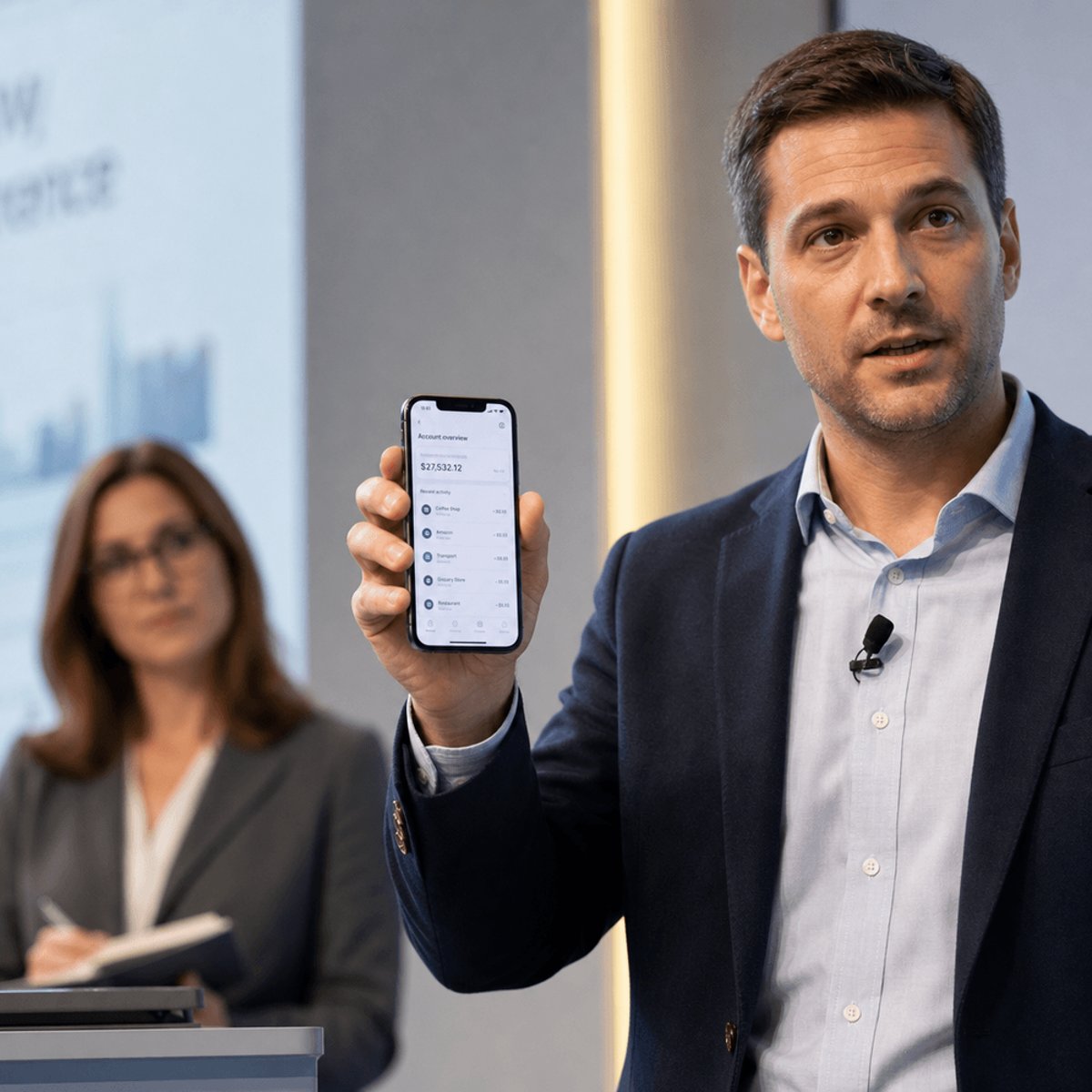
Apple just delivered its most grounded developer keynote in years, and the shift wasn't subtle. At WWDC 2026, the company showcased AI features through demos of people actually holding phones and standing in real environments - a stark departure from the slick, heavily produced presentations that landed it in regulatory hot water. The timing isn't coincidental: this comes months after Apple settled a $250 million false advertising case over misleading product demonstrations.
Apple's 2026 WWDC keynote had an unusual energy - like watching someone who'd learned a very expensive lesson. Throughout the presentation, demo after demo showed presenters standing with iPhones in hand, tapping through features in real-time. No floating UI elements. No impossible camera angles. Just people using phones the way people actually use phones.
The contrast with previous years couldn't be sharper. Apple's trademark demo style - those impossibly smooth animations, those perfectly timed transitions, those screens that somehow looked better than any customer would ever see - has been quietly retired. In its place: authenticity, sometimes awkwardly so.
This wasn't an aesthetic choice. Earlier this year, Apple settled a landmark false advertising case for $250 million, with regulators arguing the company's promotional materials created unrealistic expectations about product capabilities. The settlement didn't just cost Apple money - it came with strict requirements about how the company demonstrates unreleased features.
"We've been preparing for this shift since Q2," one Apple marketing executive told TechCrunch on background. The admission reveals just how deeply the settlement impacted Apple's entire product launch apparatus.
The centerpiece of this year's WWDC was Apple Intelligence, the company's answer to the AI features already shipping in Google's Pixel devices and Microsoft's Windows 11. But where competitors lean into futuristic visions of AI assistance, Apple's demos felt almost deliberately mundane. A presenter asked Siri to summarize emails while holding an iPhone at chest height. Another scrolled through AI-generated image variations, the phone's screen clearly visible, slightly washed out under stage lights.
These aren't the kinds of details Apple used to let slip. The old playbook involved controlled lighting, perfectly calibrated displays, and post-production polish that made everything look effortless. Now? You could see the presenter's thumb occasionally blocking part of the screen.
Industry analysts noticed immediately. "This is Apple trying to under-promise and over-deliver for the first time in a decade," noted tech analyst Ben Thompson in a Stratechery post. "The settlement forced their hand, but it might actually help rebuild trust."
The timing puts Apple in an awkward position in the AI wars. OpenAI continues pushing boundaries with increasingly capable models. Google keeps integrating AI deeper into search and productivity tools. Microsoft ships Copilot features across its entire suite. Meanwhile, Apple's showing off on-device photo editing and slightly smarter email summaries - real features, but hardly revolutionary.
That conservatism isn't just about the settlement. Apple Intelligence runs primarily on-device, using the company's neural engine chips rather than cloud processing. It's a privacy-first approach that limits what's technically possible compared to server-based AI systems. The demos reflected those limitations honestly, perhaps for the first time.
One telling moment: when demonstrating Siri's improved contextual awareness, the presenter had to repeat a query. The old Apple would've cut that moment or done another take. This year, they left it in, even adding a self-deprecating joke about "still teaching Siri."
The developer community's reaction has been mixed. Some appreciate the transparency - it's easier to build apps when you know exactly how features perform in real conditions. Others miss the aspirational quality of Apple's presentations, the sense that Cupertino was showing us the future.
"Honestly, it felt like watching a really well-funded startup pitch," one longtime iOS developer told me after the keynote. "More honest, maybe. But also less inspiring."
The settlement's impact extends beyond stage presentations. Apple's also revising its website product pages, app store guidelines for developers making performance claims, and even its retail training materials. The company's famous attention to detail now includes legal compliance officers reviewing every customer-facing demo.
Competitors are watching closely. Samsung and Google both face similar regulatory scrutiny over AI feature demonstrations. If Apple's settlement becomes a template, the entire industry might need to rethink how it sells unreleased technology.
For now, Apple's betting that authenticity sells - or at least, that it costs less than another false advertising lawsuit. The company's shipping Apple Intelligence features in beta this fall, with full availability tied to iPhone hardware releases later in the year. Those real-world demos will face real-world scrutiny from millions of users who now know exactly what to expect.
The WWDC keynote ended with one final demo: a developer using Apple's new AI tools to build an app, live on stage, complete with a bug that took 30 seconds to debug. The audience laughed. In previous years, that moment would've been unthinkable. This year, it felt like the whole point.
Apple's WWDC 2026 marks a turning point for how tech companies sell the future. The $250 million settlement didn't just change Apple's marketing tactics - it forced the industry's most polished presenter to show its work, flaws and all. As AI features become table stakes across consumer tech, the companies that win might not be those with the slickest demos, but those whose products actually work as advertised when customers get them home. Apple's betting it can win that race, even if the presentation isn't quite as pretty.