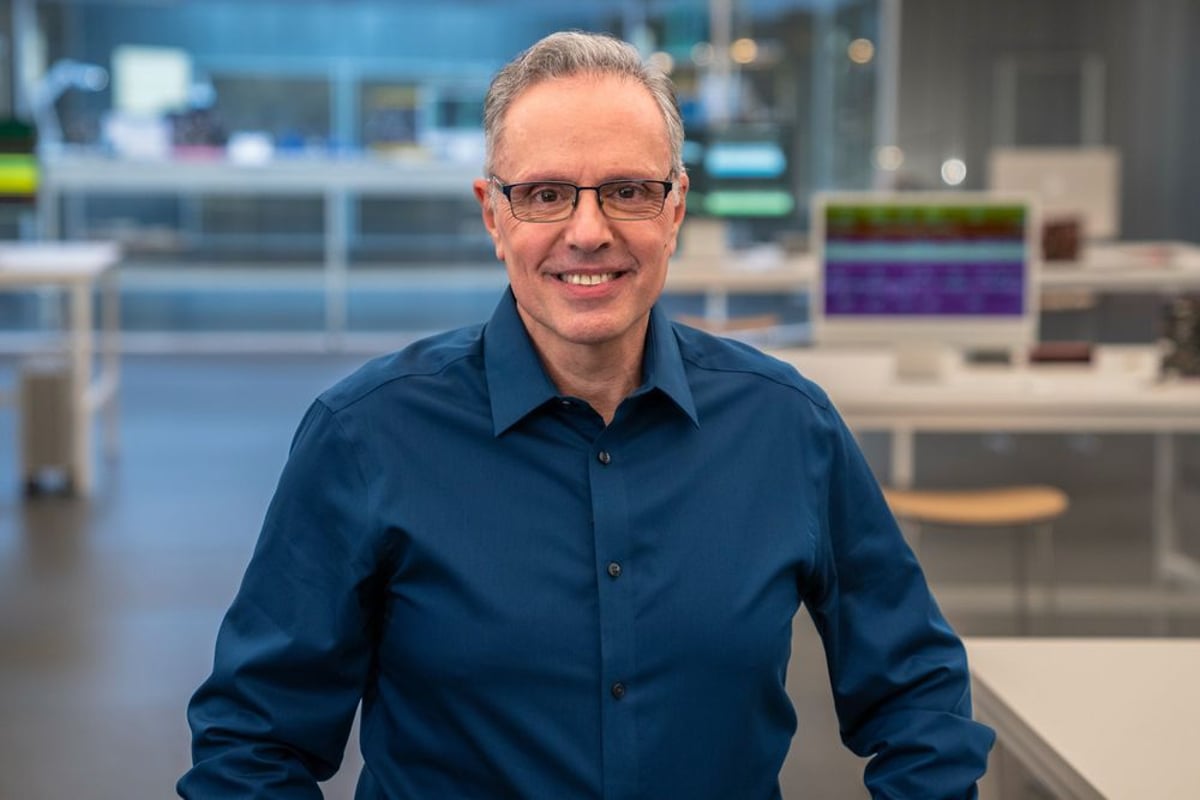
Apple just confirmed its most important executive shuffle in years. Johny Srouji, the architect behind Apple's groundbreaking silicon strategy, is taking over as chief hardware officer effective immediately. The move sets the stage for current hardware chief John Ternus to step into the CEO role this September, replacing Tim Cook who's transitioning to chairman of the board. For an executive once rumored to be eyeing the exit, Srouji's promotion signals Apple's bet on continuity in its most critical technical area.
Apple is locking down its technical leadership just as the company navigates its biggest transition in over a decade. Johny Srouji, who's spent 18 years building Apple's silicon empire from scratch, is now running the entire hardware operation. The appointment, announced Monday, isn't just a title change - it's Apple betting its next era on the executive who made its chip independence possible.
The timing matters. John Ternus, who's been leading hardware engineering, takes over as CEO in September when Tim Cook becomes chairman. That succession plan, long whispered about in Cupertino's halls, needed a steady hand to keep hardware development on track. Srouji, who currently runs Apple's silicon and hardware technologies group, was the obvious choice.
But this promotion almost didn't happen. Last December, Srouji had to reassure his team he wasn't "leaving anytime soon" after multiple reports suggested he was evaluating his future with the company. The speculation wasn't baseless - several high-profile executives had already jumped ship as uncertainty swirled around Cook's succession timeline.
Srouji's track record explains why Apple fought to keep him. Since joining in 2008, he's overseen the transition from Intel chips to Apple Silicon, a multi-year gamble that's reshaped the entire PC industry. The M-series processors didn't just improve performance - they gave Apple control over its hardware roadmap in ways competitors like Microsoft and Samsung still can't match. His team's work on the A-series chips for iPhone and custom silicon for everything from AirPods to Vision Pro has become Apple's defining technical advantage.
The hardware chief role puts Srouji in charge of integrating silicon strategy with product development across iPhones, Macs, iPads, and emerging categories. It's a broader mandate than his previous focus on chips and core technologies. He'll now oversee the teams that turn those processors into actual devices customers buy.
Apple's executive suite looks dramatically different than it did a year ago. Sabih Khan took over as COO when Jeff Williams retired, continuing a wave of transitions that's refreshed Apple's senior leadership. Unlike some of those departures, Srouji's elevation suggests Apple wants continuity in its technical vision even as business leadership changes hands.
The promotion also resolves questions about who'd steer Apple's hardware strategy during the CEO transition. Ternus, who's been groomed for the top job, needs lieutenants who can execute without constant oversight. Srouji's history of delivering industry-leading chips on brutal timelines makes him that person. His teams ship new processor generations annually while juggling multiple product lines and future architectures.
For the broader tech industry, Srouji's rise reinforces how central custom silicon has become to competitive advantage. Google invested heavily in its Tensor chips, Amazon builds custom data center processors, and even Tesla designs its own AI accelerators. Apple's success with in-house silicon, driven largely by Srouji's organization, proved that vertical integration in chips isn't just possible - it's essential.
The appointment takes effect immediately, giving Srouji several months to settle into the expanded role before Ternus officially becomes CEO. That runway matters for a company that plans product launches years in advance and can't afford disruption in its hardware pipeline. With the iPhone 18 likely deep in development and new categories like AR glasses on the horizon, Apple needs its hardware leadership firing on all cylinders.
Srouji's promotion isn't just about filling a vacancy - it's Apple's signal that technical excellence will drive its next chapter. As Ternus prepares to lead the company and Cook transitions to chairman, having the architect of Apple's silicon revolution running all hardware keeps the company's most important competitive advantage under proven leadership. The executive who made Apple's chip independence a reality now gets to shape how those chips evolve across every product category. For a company that's bet its future on vertical integration, that continuity might matter more than any single product launch.